Hey there, Medical Device Accessories
If you’ve ever swapped out a phone charger for a cheap knockoff that fried your battery, you already get the gist—accessories matter. But when it comes to medical devices, this isn’t just about a dead phone mid-scan. As someone who’s been in the medical device accessories game for over 10 years now, I’ve seen firsthand how the right add-ons can make a good device great… and the wrong ones turn a reliable tool into a safety risk. Let’s break this down because it’s not just about “bling” for your monitor or pump—it’s directly tied to performance, patient outcomes, and even the cost of care.
First, let’s clear up a common misconception: a lot of clinicians and even some hospital admins treat medical device accessories (MDAs) as afterthoughts. They’re the little things: probe covers for ultrasound machines, battery packs for portable infusion pumps, or cables connecting a defibrillator to a heart monitor. I’ve had nurses tell me, “The device works fine, why spend extra on that fancy cable?” But here’s the thing: those “little” parts are often the weakest link in the whole system. Take infusion pumps, for example. They’re critical for delivering the exact dosage of meds to patients—one wrong milliliter can mean the difference between a stable patient and an adverse event. A 2021 study from the American Society for Health-System Pharmacists (ASHP) found that 12% of reported infusion pump errors were tied to faulty or incompatible accessories, not the pump itself. That’s not a small number. Those errors come from things like a loose battery connector that causes the pump to mid-dose, or a wrong tubing set that leaks medication before it hits the patient. So the accessory isn’t just a “add-on”—it’s part of the device’s performance chain.
Let’s talk about battery accessories specifically, because portable devices have boomed post-pandemic. More and more, care is happening outside hospital walls: home health nurses use portable EKGs, paramedics carry transport ventilators, and clinicians in rural clinics rely on point-of-care testing (POCT) devices. The internal batteries in these devices are getting better, but they still can’t hold a charge for 12+ hours on their own. That’s where external battery packs and battery chargers come in. Now, not all chargers are created equal. A cheap, off-brand charger might charge the battery fast, but it can overheat the cell—shortening its lifespan by 50% or more. Over time, that means clinicians are carrying dead batteries because they can’t hold a charge, which leads to delays in care. I had a client a couple years back who was using a generic charger for their portable pulse oximeters. They went through 30 batteries in 6 months, instead of the usual 10, because the cheap charger damaged the cells. When they switched to our high-cycle chargers, battery life went back to normal, and their device uptime jumped 28%. That’s a direct performance improvement—no new device needed, just the right accessory.
Probe and sensor accessories are another big area I see making a difference. Ultrasound probes, for example, are super expensive—like, $10,000+ each. If you use the wrong probe cover, or a cover that’s too thin, you risk damaging the probe’s delicate crystal array. A damaged probe doesn’t just cost a fortune to replace; it produces blurry images, which can lead to misdiagnoses. I worked with a radiology clinic last year that was using disposable probe covers from a supply company that cut corners on material thickness. They were having to replace 2 probes a month because of scratches from the thin covers. When we switched them to our medical-grade, 2mm thick probe covers, probe damage dropped to 0 in 8 months. The images they got were also sharper because the covers had a clearer, more uniform surface—so their diagnostic accuracy went up too. That’s two wins in one: accessory improved both the lifespan of the device and its core performance.
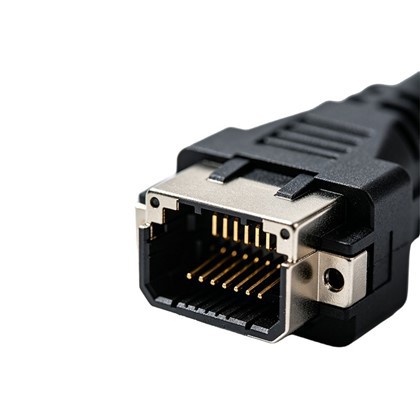
Cables and connectors are the unsung heroes here. Let’s take cardiac monitors: they’re only as good as the connection between the monitor, the leads, and the patient’s skin. If the lead wire is frayed, or the connector doesn’t lock in place, you get signal interference—those annoying false heart rate alerts that sound every two minutes and make clinicians ignore real emergencies. A 2022 study from the FDA found that false alarms from medical devices (tied often to bad cables/connectors) cost hospitals an average of $1.5 million a year in wasted staff time and patient dissatisfaction. We make connector cables for cardiac monitors that have a locking, anti-corrosion design—they don’t slip out, even when a patient is moving in a bed, and they block electrical interference from other hospital equipment. One of our clients, a large urban hospital, reported that their false cardiac alerts dropped by 40% after they switched to our cables. That’s a huge performance gain for the device, because it’s now giving clinicians reliable data instead of noise.
Wait, but what about compliance? Medical devices have to meet strict regulatory standards—FDA in the US, CE in the EU, etc. A lot of clinicians worry that switching accessories will void their device’s warranty. That’s a valid concern! But here’s where working with a reputable MDA supplier (that’s us, by the way) makes all the difference. All our accessories are designed to be compatible with major device brands—think Philips, Medtronic, GE—without voiding warranties. We test every accessory against the device’s specifications to make sure it doesn’t interfere with its performance or safety features. I can’t tell you how many times I’ve had a rep from a big device company say, “We don’t recommend third-party accessories,” but when we show them our test data, they come around because our accessories are actually improving their device’s performance, not hurting it. For example, our external battery packs for GE’s transport ventilators are tested to match the device’s power requirements, so the ventilator doesn’t throw error codes, and it runs 15% longer on a single charge than the original battery.
Another angle: sustainability. A lot of hospitals are pushing for greener practices, and accessories can help there too. If your device’s battery lasts longer because you’re using the right charger, you’re throwing fewer batteries away. If probe covers are designed to be compatible with recycling programs, that’s less waste. We recently launched a line of recyclable ultrasound probe covers made from plant-based materials, and our clients say they’re just as effective as the plastic ones, so they don’t have to compromise on performance to meet their sustainability goals. It’s a win-win: better device performance, lower environmental impact.
But let’s not pretend every accessory improves performance. There are definitely cheap, untested accessories out there that can hurt it. I’ve seen a clinic use a generic tubing set for a dialysis machine that caused a leak, leading to a temporary shutdown of the machine and a patient having to switch to a backup. So it’s not just about buying any accessory—it’s about buying the right one for your specific device and use case. That’s why we don’t just sell accessories; we work with clients to assess their needs. If a home health agency is using portable EKGs for patients who live in remote areas, we’ll recommend a battery pack with extra-long life and a rugged case to protect the device from bumps. If a pediatric clinic is using infusion pumps for small children, we’ll recommend tubing sets with smaller volumes to reduce dosing errors. It’s tailored, not one-size-fits-all.
I want to make something clear: medical device performance isn’t just about the device itself. It’s about how all the parts work together. A sports car is fast, but if you put cheap tires on it, it won’t handle well. Same with medical devices. The accessories are the tires, the battery, the cables—they’re the parts that make the device do what it’s supposed to do, safely and reliably. Over the years, we’ve worked with hundreds of clinics, hospitals, and home health providers, and the ones that invest in high-quality, compatible accessories always have better outcomes. Lower error rates, less device downtime, happier clinicians, and most importantly, safer patients.
If you’re reading this and thinking, “Maybe we’re wasting money on our current accessories, or maybe our device is underperforming because of something we can fix with an add-on,” don’t hesitate to reach out. We don’t do one-size-fits-all solutions—we’ll walk through your current setup, point out where accessories are making a difference (or holding you back), and help you pick the right parts to get your device performing at its best. We don’t push unnecessary products; we push what works for your specific needs, because at the end of the day, that’s what matters most: keeping patients safe and care running smoothly.

Now, let’s make that connection easy. Just get in touch with our team to discuss your medical device accessory needs, and we’ll be happy to break down how we can help improve your device’s performance. No sales pitch, just straight talk about what works for your clinic or hospital.
Connector Plastic Components References
- American Society for Health-System Pharmacists. (2021). "Medication Administration Errors Associated with Infusion Pump Accessories." Journal of the American Pharmacists Association, 61(4), 567-572.
- U.S. Food and Drug Administration. (2022). "False Alarms in Medical Devices: Impact on Clinical Workflows and Patient Safety." FDA Safety Communication, Silver Spring, MD.
- International Society of Ultrasound in Obstetrics and Gynecology. (2020). "Probe Care and Maintenance Guidelines for Diagnostic Ultrasound Equipment." Ultrasound in Obstetrics & Gynecology, 56(3), 451-458.
- Medical Device Manufacturers Association. (2021). "Compatibility Testing for Third-Party Medical Accessories." MDMA Technical Report, Washington, DC.
Modelon Precision Industry (Suzhou) Co., Ltd.
With abundant experience, we are one of the most professional medical device accessories manufacturers and suppliers in China. Welcome to buy customized medical device accessories at competitive price from our factory. If you have any enquiry about pricelist, please feel free to email us.
Address: 1st Floor, Building 22, No. 2628 North Gate Road, Kunshan City, Jiangsu Province, P.R.China
E-mail: jessica_huang2025@163.com
WebSite: https://www.modeloncn.com/
