When you walk into a busy modern manufacturing plant, what’s the first thing that hits you? The clank of machines, the scent of metal, and that constant, chaotic flow of parts moving from one station to the next? If you’re like most ops managers, you’re also probably stressing over the same old pain points: parts going missing mid-shift, workers running back and forth for raw materials, and that nagging feeling that your warehouse floor is just… wasting space. That’s where AS/RS comes in, and as someone who’s spent the last decade building, installing, and fine-tuning these systems for manufacturing shops just like yours, I’m here to break down exactly why they’re not just a fancy upgrade—they’re a game-changer for your bottom line. Automated Storage and Retrieval System
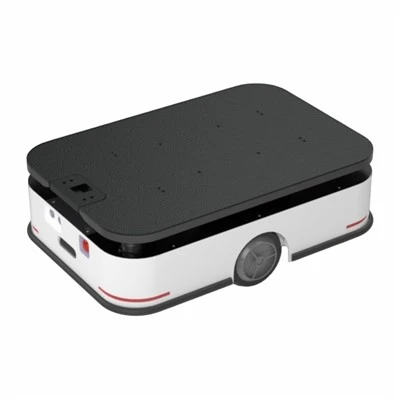
Let me start with the basics, just to make sure we’re on the same page. AS/RS stands for Automated Storage and Retrieval System. It’s not some futuristic sci-fi gadget (though my kids think it is when I talk about “stacker cranes” moving 50ft up to grab a pallet). It’s a network of software, robots, and storage racks that does the heavy lifting of storing and pulling parts, materials, and finished products—no human pushing a forklift or hauling a handtruck required. But let’s skip the textbook definition. Let’s talk about what it actually does for your day-to-day manufacturing grind.
First up: space. If you’ve ever been in a plant where floor space is so tight you can barely squeeze a forklift between a pallet of steel and a work cell, you know how costly that real estate is. A lot of shops build out horizontally, adding more warehouse bays or even leasing off-site storage just to keep up with raw material and finished goods. AS/RS? It builds up vertically, like a tiny, super organized apartment building for your parts. We’ve installed systems for a mid-sized automotive parts maker that went from 12,000 sq ft of warehouse space to just 4,000 sq ft after switching to AS/RS. They got rid of 8,000 sq ft of wasted floor space that was just for stacking pallets, and used that extra room to add a third assembly line. That’s not just saving rent money—that’s making actual products that turn a profit. And since most industrial real estate prices only go up every year, that space savings is a long-term win, not just a quick fix.
Next, let’s talk about speed. Wait, not just “faster” speed—accurate speed. How many times have you had a line stop because a worker couldn’t find the specific bolt size for a custom order? Or a forklift driver pulled the wrong pallet of plastic resin, halting production for 2 hours while they track down the right one? I hear that story all the time. AS/RS eliminates that problem because every part is tagged, logged, and stored in a specific, digital location. When your assembly line needs 100 10mm bolts, the AS/RS software doesn’t guess—it pulls the exact pallet from the exact rack in under 60 seconds. No walking, no searching, no wrong picks. For a small electronics manufacturer we work with, that cut their line shutdowns due to material misplacement by 90% in the first 6 months. They went from losing $12,000 a month to unplanned stops to less than $1,000. That’s money that goes straight back to your pocket, not into covering downtime.
Then there’s labor. Let’s be real: forklift drivers, handtruck operators, and even part pickers are tough to hire these days. Everyone’s competing for the same workers, and turnover is through the roof—especially in manufacturing, where some roles see 50% turnover a year. AS/RS takes over the repetitive, high-stakes part of storage and retrieval, so you don’t need to hire extra people just to move pallets around. Sure, you’ll still need people to maintain the robots, program the software, and load the rare, oversized parts that can’t go on the automated racks. But you’re trading in hard-to-fill, high-turnover roles for skilled, long-term positions that your current workforce will actually want to stay in. We had a appliance maker that used to have 7 full-time forklift drivers. After installing their AS/RS, they only needed 1 part-time tech to manage the system. That’s a 70% cut in labor costs for that area, plus they saved on overtime—because forklift drivers often work extra hours to meet shifts, but AS/RS runs 24/7 with just a tiny bit of monitoring overnight.
Wait, but what about small parts? A lot of shop managers tell me, “My parts are tiny—bolts, resistors, wiring. AS/RS is too big for that.” No, that’s a myth. Modern AS/RS systems have specialized bins and shuttles designed for micro-parts. We’ve built systems that handle everything from 1mm resistors for circuit boards to 50lb pallets of sheet metal. For a medical device maker that uses thousands of tiny screws and seals for pacemakers, their AS/RS stores each part in individual labeled bins, so they never run out of a specific part unexpectedly. Before, they’d have to order emergency shipments from overseas that cost 3x the normal price. Now, the system alerts them when stock is low, so they can plan orders ahead. That’s another big win: reduced inventory costs, because you don’t have to hold extra safety stock for parts that go missing or run out at the worst time.
Speaking of inventory, let’s talk about accuracy. Traditional storage relies on manual counts, which are messy at best. A worker might miscount a pallet, or forget to log a small batch of parts, leading to stockouts or overstocking. AS/RS uses barcodes, RFID tags, and real-time inventory tracking, so every part’s location and quantity is updated the second it’s stored or retrieved. That means no more overbuying parts you don’t need (which ties up cash and takes up space) or running out at a critical time. A custom furniture maker we work with cut their inventory holding costs by 25% after switching. They used to have $450,000 tied up in raw lumber and hardware that was just sitting in the warehouse. Now, they know exactly how much they have at all times, so they only order what they need, when they need it. That’s cash flow that can go to marketing, new equipment, or raises for your team.
Now, I know what you’re thinking: “That sounds great, but is AS/RS only for big plants?” Nope. We’ve installed systems for shops with as little as 50,000 sq ft of warehouse space, not just the 100,000+ sq ft facilities people usually talk about. The key is sizing the system to your specific needs, not a one-size-fits-all. You don’t need a massive 10-stack crane if you only have small parts. We can design a smaller AS/RS with horizontal shuttles for small parts or compact vertical carousel systems for your high-turnover items. The cost varies, too—we’ve worked with clients who recouped their investment in 18 months, others in 3 years, depending on their current pain points. If your line shuts down once a week due to missing parts, you’ll recoup that cost fast. If your main issue is cramped floor space, it might take a little longer, but the long-term savings are still there.
Wait, let’s address the elephant in the room: maintenance. A lot of people worry that automated systems mean more downtime for the AS/RS itself. But modern AS/RS is built with predictive maintenance, so the system alerts you when a part is about to fail, before it causes a breakdown. We build our systems with sensors that track things like motor wear and rack alignment, so we can catch issues early. Plus, our team does regular check-ins and remote support, so we can fix small problems without even sending a technician to your plant. For the rare time the AS/RS does need repairs, we design it so you can still run manual operations temporarily—you won’t be stuck with a dead line for days.
I’ve seen this play out so many times. Last year, a small stamping shop came to me, frustrated because they were missing out on a big contract with a appliance maker. Their problem? They couldn’t reliably deliver parts on time because their warehouse was disorganized—they’d misplace stamping dies for custom orders, leading to delays. We installed a compact AS/RS that stores all their dies and raw material rolls, tagged with custom software that syncs directly with their production scheduling tool. Within 4 months, they were delivering parts 99% on time, and landed the contract worth $2 million a year. That’s the kind of win I love to see—AS/RS isn’t just about moving parts faster, it’s about growing your business.
So, let’s circle back. The use of AS/RS in manufacturing isn’t a list of jargon or fancy tech specs. It’s about fixing the problems that keep you up at night: wasted space, lost productivity, labor shortages, and cash tied up in inventory. It’s about turning a chaotic, error-prone storage area into a smooth, reliable part of your production line.

If you’re tired of watching your line stop over a missing bolt, or paying extra for off-site storage, or dealing with high turnover in your warehouse team, it’s time to talk. We don’t do one-size-fits-all AS/RS here—we work with you to map your current pain points, design a system that fits your shop, and make sure the transition is as smooth as possible. No jargon, no hidden fees, just a system that makes your life easier and your business more profitable. Reach out to us to schedule a free, no-obligation chat about how AS/RS can work for your manufacturing operation.
Conveying Line References
- Material Handling Industry of America. "Automated Storage and Retrieval Systems: Applications and Benefits for Manufacturing." 2022.
- Robotic Industries Association. "Workforce Impacts of Automated Material Handling Systems in Small and Medium Manufacturers." 2021.
- International Society of Automation. "Predictive Maintenance for Automated Storage and Retrieval Systems." 2023.
- Manufacturing Extension Partnership. "Space Optimization Through Vertical Storage Solutions for Mid-Sized Shops." 2022.
Shenzhen Ginnee Intelligent Warehousing Robotics Co., Ltd.
As one of the most professional automated storage and retrieval system suppliers in China, we’re featured by quality products and low price. Please rest assured to wholesale durable automated storage and retrieval system in stock here and get quotation from our factory. We also accept customized orders.
Address: Room101, No.162 JunXin Road, Niuhu Community, Guanlan Strect, Longhua District, Shenzhen, Guangdong Province, China.
E-mail: huangyongmei@szginnee.com
WebSite: https://www.ginneerobotics.com/
