Hey guys, if you’ve ever walked into a busy restaurant, you know the vibe is everything—warm food smells, loud laughter, that dim, cozy lighting that makes date nights and family dinners feel special. But what you probably don’t think about is the fire safety system keeping everyone safe from behind the scenes. A lot of restaurant owners and managers ask me the same question: are water mist sprinklers actually a good fit for our space? As someone who’s been selling these systems for years (yeah, I’m the water mist sprinkler guy), I’m here to break this down like we’re chatting over a post-shift beer, no fancy jargon. Water Mist Sprinkler
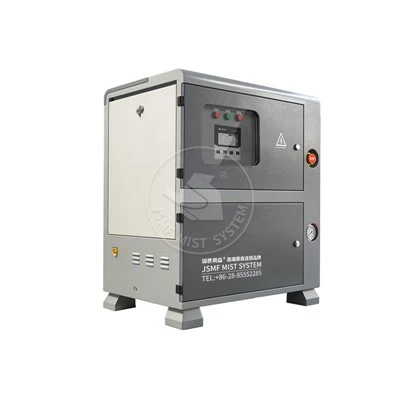
First off, let’s get real about what restaurants deal with when it comes to fire risk. Think about it: you’ve got a line cook blasting away on a deep fryer at 350 degrees, waiters zipping around with hot trays, maybe a fridge packed with gas-powered coolers in the back, and tons of flammable stuff—paper menus, plastic takeout containers, even the tablecloths hanging by the door. Traditional sprinklers work by dumping hundreds of gallons of water all over the place, right? But in a busy restaurant, that’s a disaster waiting to happen. I’ve seen a deep fryer mishap at a downtown bistro where a traditional sprinkler went off, drenching all the linen tablecloths, soaking the expensive wood floors, and turning a minor kitchen fire into a whole mess that closed the place for three days. The owner lost thousands in revenue, plus the cost of cleaning and replacing everything. That’s the kind of headache water mist sprinklers were made to solve.
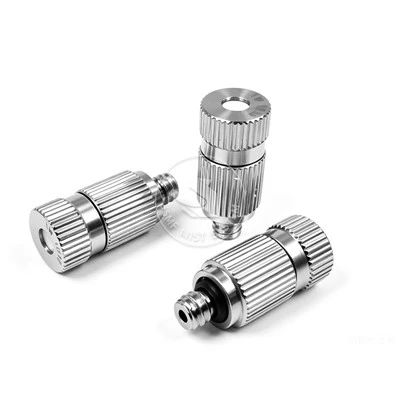
Now, what’s the actual science behind these things? I promise it’s not rocket science. Water mist systems work by breaking water into tiny droplets—like, super tiny, 10 to 100 microns small. For context, a human hair is about 70 microns thick, so these droplets are smaller than that. When they hit a fire, two things happen: first, the tiny droplets absorb heat so fast that they cool the fire down in seconds. Second, they turn to steam, which takes up way more space (like 1,700 times more space than liquid water) and pushes oxygen away from the flames—you know, fire needs oxygen to live, so that’s a one-two punch. Unlike traditional sprinklers that have to cover a huge area, water mist systems only activate where there’s actually a fire. That means no drenching your whole dining room, no water damage to dishes, chairs, or that fancy bar setup you spent months curating.
Let’s talk about specific restaurant use cases because not every spot is the same. If you’ve got a small café with a 1,000-square-foot dining room and a tiny kitchen, water mist is perfect. We installed a system for a coffee shop in Brooklyn last year, and their only “fire zone” was the espresso machine station. When a barista spilled a shot of hot oil near the machine one night, the mist system triggered right there—only a few ounces of water total—no wet tables, no ruined pastries behind the counter, just a quick fix and they were back open in an hour. Now, if you’ve got a big restaurant with multiple deep fryers, like a steakhouse or a seafood place (you know, the ones with the lobster tanks and the open grills), water mist is even better here. Traditional hood systems work for kitchen fires, but they don’t cover the whole space—what if a fire starts in the storage closet or near the exit sign? Water mist covers every inch, and it’s way more effective on grease fires than you’d think. I’ve tested this myself in a mock kitchen setup we use at our warehouse—we lit a small grease fire, hit it with water mist, and it was out before I could even grab a fire extinguisher. No flaming grease splattering, no water spreading the grease around.
Wait, but what about the things restaurants stress about most: cost and maintenance? Let’s be real, every owner is watching their bottom line. Water mist systems don’t use a lot of water, so your water bill is way lower. Traditional systems need huge pipes and a lot of pressure, which can mean more expensive installation. With mist systems, the pipes are smaller, and you don’t need a big water tank in the basement—we can usually rig them to hook into your existing plumbing (as long as it’s up to code, of course). Maintenance is easier too. Traditional sprinklers need to be checked every year, and you have to replace the heads every 5 years because they can rust. Mist heads are made of corrosion-resistant metal, so they last longer, and we do annual checks that are way simpler—we just test the trigger, make sure no droplets are clogged, and call it a day. Also, insurance! A lot of fire insurance companies give discounts for water mist systems because they reduce fire risk and damage. That’s a win right there.
Now, let’s get to the parts that people worry about—does it work in a busy, loud restaurant? No, you won’t even notice it most of the time. The mist is so fine that it just floats a little, and it evaporates before it hits the floor. I’ve had customers tell me that during a test trigger, their diners didn’t even notice anything was going on until the staff came by to check (and promised them their drinks were still fine). Also, it’s not going to make the place feel humid or make your food taste weird—wait, let’s address that myth right now. A lot of people think mist will get into the food or the kitchen equipment, but because the droplets are so small, they evaporate almost instantly. We installed a system at a sushi restaurant a while back, and the sushi chef never had a problem with rice getting sticky or fish getting wet—he barely knew it was there until one night, a pan fire started near his station, and he watched it go out in 2 seconds.
Is there any case where water mist isn’t the right fit? Honestly, not many, but let’s be fair. If you have a restaurant with really high ceilings, like a rooftop spot with a 20-foot ceiling, you might need to pair it with other fire systems, but even then, mist works as a secondary layer. If you’re in an old historic building, some fire codes might require traditional systems, but a lot of cities are updating their codes now because they recognize how much less damage mist does. We worked with a historic bistro in Boston last year that was able to get a variance for mist instead of traditional sprinklers because the old pipes would have damaged the original brick walls and wood floors. That’s a big one—saving a historic space while keeping it safe.
Wait, let’s talk about a real horror story I heard from another client. A few years back, a pizza place in Chicago had a grease fire in their kitchen. The traditional sprinkler went off, dumped 500 gallons of water all over the dining room, soaked all the pizza dough in the walk-in fridge, and ruined the new vinyl flooring they just put down. The repair bill was $15,000, plus they lost $8,000 in revenue from being closed for a week. If they had water mist, the damage would have been like $500 max, if even that. That’s the kind of scenario that makes me wish every restaurant owner knew about these systems.
Now, I know some of you are thinking: “This sounds too good to be true—what’s the catch?” The only catch is that you need a system installed by people who know what they’re doing, not just someone selling cheap parts. That’s why I’m here—we don’t just sell sprinklers, we come to your space, do a walkthrough, figure out exactly where the fire risks are (deep fryers, grill stations, storage closets, exit paths), and design a custom system that fits your restaurant, not a one-size-fits-all box. We handle all the permits too, so you don’t have to deal with the city fire marshal’s red tape.
At the end of the day, restaurants are about people—your staff, your regulars, the kids coming for birthday dinners, the couples on anniversaries. The last thing you want is a fire that ruins all that. Water mist sprinklers aren’t just a safety system—they’re a way to protect your business, your hard work, and everyone who walks through your doors. They’re quiet, they’re effective, they save you money long-term, and they don’t turn a small problem into a catastrophe.
If you’re tired of stressing about what a traditional sprinkler would do if there’s a fire in your kitchen, hit me up. We can chat, come check out your space, and give you a no-pressure quote. No pushy sales talk, just straight answers about what will work for your restaurant. Because at the end of the day, your restaurant is your baby—you deserve a safety system that works with you, not against you.
Water Mist Sprinkler REFERENCES
National Fire Protection Association. (2020). Standard on Water Mist Fire Protection Systems (NFPA 750).
U.S. Fire Administration. (2021). Fire Protection in Commercial Food Service Establishments.
Fire Protection Association. (2019). Water Mist Systems for Commercial Premises.
Jinsheng Mist Forest-High Pressure Mist System
Jinsheng Mist Forest-High Pressure Mist System is one of the most experienced water mist sprinkler manufacturers and suppliers in China, featured by quality products and low price. Please rest assured to wholesale bulk water mist sprinkler in stock here and get pricelist from our factory. Customized orders are welcome.
Address: 109 Yonghong Road, Wenjiang District, Chengdu City, Sichuan Province, China
E-mail: 18190767523@163.com
WebSite: https://www.jswsmist.com/
