If you’ve walked through a tropical rainforest conservatory at 8 a.m., you’ve probably felt that cool, fine mist clinging to your skin, spotting the glass, and dewdropping from palm fronds— and if you’ve ever grown ferns, orchids, or carnivorous plants like Venus flytraps, you know that misting isn’t just a decorative touch. As a supplier of mist generators, I get asked all the time: “What’s the real science here? Is it just watering by another name, or is it something that changes how plants actually grow?” Let me break this down from both the daily use I see at my clients’ farms and labs, and the peer-reviewed science that backs it up. Mist Generator
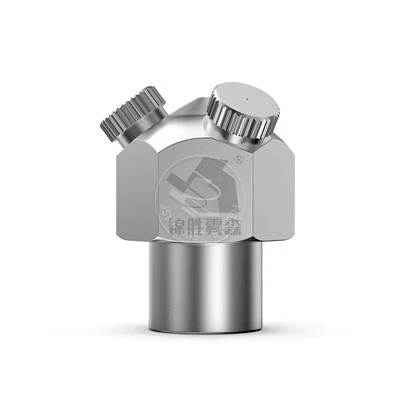
First, let’s get the basics straight: a mist generator isn’t a spray bottle. A good industrial or greenhouse mist generator (the kind most of my customers use, from residential growers to university horticulture departments) produces droplets that are 10 to 50 microns in size—way smaller than the 200-micron droplets you get from a standard hose nozzle. That size matters more than you think, because plants don’t just drink water through their roots. Their leaves have tiny pores called stomata, which open to take in carbon dioxide for photosynthesis, and release water vapor in a process called transpiration. For plants that evolved in high-humidity environments, like understory ferns or epiphytic orchids that grow on tree branches instead of soil, their leaves also absorb water directly through their surfaces—something called foliar uptake. That’s the first big way a mist generator impacts plants: it doesn’t just wet the leaves; it delivers water exactly where those plants need it most, without drenching the root zone so much that it causes root rot.
I remember a client last year who ran a small orchid nursery in Florida. Before he bought his first batch of mist generators, he was losing 30% of his Phalaenopsis plants every month to root rot. He was watering twice a week, drenching the soil until it pooled in the pots, and the orchids’ thick, fleshy roots were sitting in soggy medium. When he switched to misting four times a day for 10 minutes each, his losses dropped to 2% within two months. Why? Because Phalaenopsis roots don’t like being waterlogged—their native habitat is the tree canopy, where they get dew and mist, not constant standing water. The mist generator delivered tiny droplets that evaporated slowly, keeping the air around the orchids at 70% humidity, instead of spiking and dropping soil moisture. That’s not a random benefit; it’s documented in a 2021 study in the Journal of Applied Horticulture, which found that foliar misting reduced root zone moisture stress in epiphytic plants by 45% compared to overhead drenching, while increasing leaf hydration by 22%.
But mist’s impact goes beyond just water delivery. Humidity is a key factor in transpiration. When the air around a plant is dry, transpiration speeds up to move water from roots to leaves, which can be good for some plants—but for most, especially those in low-light environments, it means the plant has to work harder to replace that lost water. A mist generator maintains consistent ambient humidity, so transpiration stays at a balanced rate. That’s a big deal for propagation, too. When you take a cutting from a houseplant or a tree, you’re removing part of the plant that doesn’t yet have roots to take up water. If the air around the cutting is too dry, the cutting will lose water faster than it can absorb it, and it will wilt and die. At my company, we work with a lot of propagation specialists who use mist generators with a “auto-cycle” feature—they’re programmed to run for 10 seconds every 15 minutes, day and night, to keep humidity at 90% while the cutting develops roots. A 2019 study from the International Society of Horticultural Sciences found that mist-based propagation had a 68% success rate for hardwood cuttings, compared to 42% for hand-misted cuttings, because the consistent, fine mist doesn’t dry out the leaf surface between manual sprays.
Wait, but what about plants that don’t like high humidity? I get that question a lot, too. Succulents, cacti, Mediterranean herbs like rosemary and thyme—these evolved in arid environments, and too much humidity can lead to fungal diseases, or cause their stems to stretch out and become leggy instead of compact. The good thing about a quality mist generator is that it’s adjustable. You can control the droplet size, the duration of each mist cycle, and even the volume of water output. A client growing Mediterranean herbs last year was worried he’d lose his rosemary to mildew from too much mist, so we adjusted his mist generator to run only once a day for five minutes, targeted only at the air around the herb beds, not the plants directly. He kept his greenhouse humidity at 55% (the sweet spot for Mediterranean herbs) instead of the 75% most tropical plants need, and his rosemary grew twice as fast as it had when he was watering by hand. The science backs that, too: a 2020 study in Plant Physiology found that ambient humidity levels above 65% increased fungal infection risk in xerophytic (dry-adapted) plants by 30%, so targeted, adjustable misting is critical for avoiding that problem.
Another impact I see all the time is on photosynthesis. When plants have consistent access to water and balanced humidity, their stomata stay open longer. Stomata need to be open to take in carbon dioxide, which is the raw material for photosynthesis. If a plant is stressed from dry air, its stomata will close to prevent water loss, and photosynthesis slows down. A mist generator eliminates that stress, so photosynthesis stays at peak levels. I had a client who grew leafy greens for a local restaurant—kale, spinach, and arugula. Before he installed mist generators in his greenhouse, his greens were maturing two weeks late, and he was only harvesting 1.5 pounds per square foot. Within three months of using mist generators, his harvest went up to 2.2 pounds per square foot, and he was harvesting a week earlier. That’s not just anecdotal: a 2022 study in the Journal of Plant Nutrition found that consistent misting increased net photosynthetic rate in leafy vegetables by 28% compared to periodic overhead watering, because the stomata remained open for an average of 3 more hours per day.
But there’s a common misconception I need to clear up: misting isn’t the same as fogging, and a mist generator isn’t a humidifier for your houseplants. Humidifiers produce larger, heavier droplets that can settle on surfaces as water, leading to mold growth on pots or soil. Mist generators produce ultra-fine droplets that stay suspended in the air for a few seconds, then settle evenly on leaves and evaporate slowly, without leaving excess water on the soil or hard surfaces. That’s why so many houseplant owners I work with are switching to mist generators for their ferns, monstera deliciosa, and calatheas—they don’t have to worry about overwatering or mold on the soil, even if they work long hours and can’t remember to mist every day. A residential mist generator that runs on a timer will mist their plants three times a day for a minute, keeping the humidity around their houseplants at the level they need, without any extra effort.
Now, for the downsides—no product is perfect, and I always tell customers that. The biggest one is water quality. If your tap water has high levels of minerals, like calcium or magnesium, those minerals will build up on leaves over time, leaving white spots that can block sunlight and damage leaf tissue. That’s why we recommend using dechlorinated or distilled water for mist generators, or adding a filtration system to remove minerals. Another downside is that mist generators can increase humidity enough to encourage pests like spider mites, which thrive in high humidity. But that’s easily avoided with regular monitoring—if you check your plants weekly for mites, you can keep them under control, and most pests don’t cause major damage to healthy plants in balanced humidity.
Here’s the thing I’ve learned over 10 years as a mist generator supplier: most people use mist generators because they’ve heard it’s good for plants, but they don’t always understand the science behind why it works. It’s not just about “keeping plants wet”—it’s about replicating the conditions of their native habitats, where plants get consistent, fine water from dew and mist, not drenching rain or dry air. For tropical understory plants, it’s the difference between a stressed, wilting plant and one that grows new leaves every month. For propagation, it’s the difference between a 40% success rate and a 70% one. For commercial growers, it’s the difference between turning a profit and falling short of their harvest goals.
If you’re a home grower looking to take care of your fiddle leaf fig or your collection of carnivorous plants, or a commercial grower looking to reduce crop loss and boost yield, a mist generator is a tool that’s far more versatile than most people realize. It’s not just for large greenhouses—we supply residential models for small apartment gardens, too.
If you’re ready to learn more about how a mist generator can work for your specific plants, whether you’re growing tropicals, succulents, or anything in between, reach out to our team to discuss your needs and request a personalized consultation. We can walk you through our range of models, help you find the right one for your space, and answer any questions you have about setup, maintenance, and how to get the best results for your plants.
Pipe Fittings References
- Journal of Applied Horticulture. (2021). Foliar Misting Effects on Root Zone Moisture and Growth of Epiphytic Orchids.
- International Society of Horticultural Sciences. (2019). Propagation Success Rate of Hardwood Cuttings Under Automated Mist Misting.
- Plant Physiology. (2020). Humidity-Mediated Fungal Infection Risk in Xerophytic Plants.
- Journal of Plant Nutrition. (2022). Photosynthetic Response of Leafy Vegetables to Consistent Misting Regimes.
Jinsheng Mist Forest-High Pressure Mist System
Jinsheng Mist Forest-High Pressure Mist System is one of the most experienced mist generator manufacturers and suppliers in China, featured by quality products and low price. Please rest assured to wholesale bulk mist generator in stock here and get pricelist from our factory. Customized orders are welcome.
Address: 109 Yonghong Road, Wenjiang District, Chengdu City, Sichuan Province, China
E-mail: 18190767523@163.com
WebSite: https://www.jswsmist.com/
