Hey there! I’m a supplier in the feeding system business, and today I wanna chat about whether a feeding system can be used for granule feeding. It’s a question that comes up a lot, and I’m here to share my thoughts and experiences. Feeding System
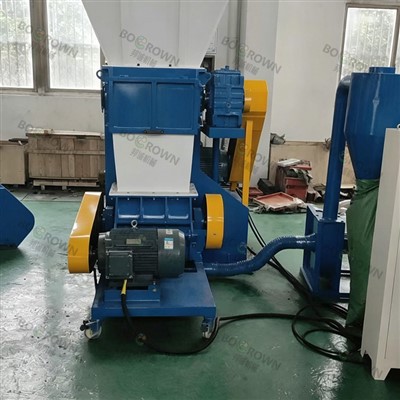
First off, let’s talk about what a feeding system is. In simple terms, a feeding system is a setup that’s designed to deliver a specific amount of material to a particular process or location. These systems can be used in all sorts of industries, from food and beverage to pharmaceuticals and manufacturing. They’re super handy because they help automate the feeding process, which can save time, reduce waste, and improve overall efficiency.
Now, when it comes to granule feeding, there are a few key factors to consider. Granules can vary widely in terms of their size, shape, density, and flow characteristics. Some granules are small and free – flowing, like sand or sugar, while others are larger, irregularly shaped, and might have a tendency to clump together.
So, can a standard feeding system handle granule feeding? Well, it depends. There are some feeding systems out there that are pretty versatile and can work with a variety of materials, including granules. For example, screw feeders are a common type of feeding system. They use a rotating screw to move material along a tube or trough. Screw feeders can be adjusted to control the rate of feeding, and they can work well with many types of granules, especially those that are relatively free – flowing.
Another option is a vibratory feeder. These use vibration to move material along a tray or chute. Vibratory feeders are great for handling granules because they can be tuned to the specific flow characteristics of the material. You can adjust the amplitude and frequency of the vibration to make sure the granules move smoothly and at the right rate.
But here’s the thing: not all feeding systems are created equal. If you’re dealing with really tricky granules, like those that are sticky or have a very low density, you might need a more specialized feeding system. For instance, some granules are so light that they can be affected by air currents, and a standard feeder might not be able to keep them flowing consistently. In these cases, you might need a feeder with special features, like a sealed enclosure or an air assist mechanism.
At our company, we’ve dealt with all sorts of granule feeding challenges. We’ve worked with customers in the pet food industry, where they need to feed a mix of different – sized granules accurately. We’ve also helped out pharmaceutical companies that are dealing with fine, powdery granules that can be easily airborne.
One of the projects I’m really proud of was for a chemical manufacturing company. They had a problem with feeding a type of granule that was prone to clumping. The standard feeder they were using was constantly getting clogged, which was causing production delays and a lot of frustration. We took a look at their situation and recommended a custom – designed feeding system with a pre – treatment unit. The pre – treatment unit used a gentle agitation to break up the clumps before the granules entered the feeder. This simple addition made a huge difference, and the feeding process became much more reliable and efficient.
Now, let’s talk about the benefits of using a proper feeding system for granule feeding. First of all, accuracy is key. When you’re feeding granules, you need to make sure you’re delivering the right amount every time. A good feeding system can be calibrated to provide precise dosing, which is crucial in industries where product quality depends on the exact amount of ingredients.
Secondly, using a feeding system can improve safety. In some industries, handling granules manually can be a messy and potentially dangerous job. For example, in the mining industry, granules can be dusty, and inhaling the dust can be harmful to workers. A feeding system can be enclosed, which helps contain the dust and reduces the risk of exposure.
Another benefit is cleanliness. Granules can spill easily, and a feeding system can help minimize spills and keep the work area clean. This is especially important in industries that have strict hygiene standards, like the food and beverage or pharmaceutical industries.
But like any technology, there are also some challenges. One of the main challenges is maintenance. Feeding systems need to be regularly cleaned and maintained to ensure they keep working properly. Granules can build up inside the feeder, which can affect the flow rate and accuracy. So, it’s important for customers to have a good maintenance schedule in place.
Cost is also a factor. Specialized feeding systems can be pretty expensive, especially if they need to be custom – designed for a particular type of granule. However, it’s important to think about the long – term costs. A high – quality feeding system can save money in the long run by reducing waste, improving efficiency, and cutting down on downtime.
So, to answer the question "Can a feeding system be used for granule feeding?", the answer is a resounding yes. But it’s important to choose the right feeding system for the specific type of granules you’re dealing with. You also need to consider factors like accuracy, safety, cleanliness, maintenance, and cost.
If you’re in the market for a feeding system for granule feeding, don’t hesitate to reach out. We’ve got a team of experts who can help you figure out the best solution for your needs. Whether you’re dealing with small, free – flowing granules or large, sticky ones, we’ve got the knowledge and experience to provide you with a reliable and efficient feeding system. Let’s get in touch and start a conversation about how we can improve your granule feeding process.
Central Dust Removal References
- "Powder and Bulk Solids Handbook", various industry experts’ contributions
- "Feeding System Technology and Applications", trade – specific research papers
ZJG BC Machinery Co., Ltd.
As one of the most professional feeding system manufacturers and suppliers in China, we’re featured by quality products and good price. Please rest assured to buy cost-efficient feeding system for sale here from our factory. Contact us for custom service and OEM service.
Address: No.8 Lexi Road, Leyu Town, Zhangjiagang City
E-mail: sales@bcextruder.com
WebSite: https://www.bcextruder.com/
