Shipping second-hand goods from China to Australia by sea involves a series of well-defined procedures that ensure your items reach their destination safely and efficiently. As a China-Australia Sea Freight supplier, I have extensive experience guiding clients through this process. In this blog post, I’ll break down each step to help you understand what to expect when shipping your second-hand goods. China-Australia Sea Freight
1. Pre-Shipping Planning
Before you even start packing your second-hand items, there are several important planning stages to consider.
Research the Goods
First and foremost, you need to research whether the second-hand goods you intend to ship are allowed into Australia. Some items may be restricted or prohibited due to biosecurity, safety, or cultural heritage reasons. For example, used mattresses, furniture with animal products, and certain types of electronics may require special permits or inspections. You can visit the Australian Department of Agriculture, Water and the Environment’s official website to get a detailed list of prohibited and restricted goods.
Estimate the Volume and Weight
Accurately estimating the volume and weight of your second-hand goods is crucial. This information will help you choose the right shipping container size and determine the shipping cost. You can use a tape measure to measure the dimensions of each item and calculate the total volume. For weight, you can use a household scale or take the items to a local weighbridge.
Determine the Shipping Method
There are two main shipping methods for sea freight: Full Container Load (FCL) and Less than Container Load (LCL). If you have a large quantity of second-hand goods that can fill an entire container, FCL is the best option. It offers more security and faster transit times. On the other hand, if you have a smaller quantity of items, LCL allows you to share a container with other shippers, which can be more cost-effective.
2. Packing and Labeling
Proper packing and labeling of your second-hand goods are essential to prevent damage during transit.
Packing
- Choose the right packing materials. For fragile items such as glassware or electronics, use bubble wrap, foam peanuts, or air pillows to cushion them. For larger items like furniture, use moving blankets or cardboard to protect the surfaces.
- Disassemble large items if possible. This will not only reduce the volume but also make them easier to pack and handle. Make sure to keep all the screws and small parts in a labeled bag and attach it to the corresponding item.
- Fill any empty spaces in the boxes to prevent the items from shifting during transit. You can use crumpled paper or packing peanuts for this purpose.
Labeling
- Clearly label each box with the contents, your name, contact information, and the destination address in Australia. This will help the shipping company identify your goods easily and ensure they are delivered to the right place.
- Mark any fragile items with a "Fragile" label so that the handlers can take extra care when loading and unloading the goods.
3. Documentation
Preparing the necessary documentation is a critical step in the shipping process.
Bill of Lading
The Bill of Lading is a legal document issued by the shipping company that serves as a receipt of the goods and a contract of carriage. It contains details such as the shipper’s name and address, the consignee’s name and address, the description of the goods, the quantity, the weight, and the shipping terms. You need to provide accurate information on the Bill of Lading to avoid any delays or disputes.
Commercial Invoice
The Commercial Invoice is a document that shows the value of the goods being shipped. It includes details such as the description of the goods, the quantity, the unit price, and the total amount. The Australian Customs may use the Commercial Invoice to assess the import duties and taxes.
Packing List
The Packing List provides a detailed breakdown of the contents of each box or container. It includes information such as the item description, the quantity, the weight, and the dimensions. The Packing List helps the shipping company and the Australian Customs to verify the contents of the shipment.
Certificate of Origin
The Certificate of Origin is a document that certifies the origin of the goods. It is used to determine the eligibility for preferential tariff treatment under certain trade agreements. In some cases, the Australian Customs may require a Certificate of Origin for your second-hand goods.
Other Documents
Depending on the nature of your second-hand goods, you may need to provide additional documents such as a phytosanitary certificate for wooden items or a certificate of compliance for electronics. Make sure to check the specific requirements with the shipping company or the Australian Customs in advance.
4. Booking the Shipping Space
Once you have completed the pre-shipping planning, packing, and documentation, it’s time to book the shipping space.
Contact the Shipping Company
As a China-Australia Sea Freight supplier, I can help you book the shipping space based on your requirements. You can contact me through the appropriate channels to discuss your shipment details, such as the volume, weight, shipping method, and transit time. I will provide you with a quote and help you choose the best shipping option for your second-hand goods.
Confirm the Booking
After you have received the quote and agreed on the shipping terms, you need to confirm the booking with the shipping company. You may be required to pay a deposit to secure the shipping space. Make sure to get a confirmation email or invoice from the shipping company to confirm the booking.
5. Loading and Shipping
Once the shipping space is booked, the next step is to load your second-hand goods onto the container and ship them to Australia.
Container Loading
The shipping company will arrange for the container to be delivered to your specified location for loading. You can either load the goods yourself or hire a professional loading service. Make sure to follow the loading instructions provided by the shipping company to ensure the safe and efficient loading of the goods.
Customs Clearance in China
Before the container can be shipped out of China, it needs to go through customs clearance. The shipping company will handle the customs clearance process on your behalf. You need to provide the necessary documents, such as the Bill of Lading, the Commercial Invoice, and the Packing List, to the shipping company for customs clearance.
Shipping
Once the customs clearance is completed, the container will be loaded onto the ship and shipped to Australia. The transit time from China to Australia by sea can vary depending on the shipping route, the port of departure, and the port of arrival. On average, it takes about 18-30 days for the goods to reach Australia.
6. Customs Clearance in Australia
When the container arrives in Australia, it needs to go through customs clearance again.
Provide the Documents
The shipping company will notify you when the container arrives in Australia. You need to provide the necessary documents, such as the Bill of Lading, the Commercial Invoice, the Packing List, and the Certificate of Origin, to the shipping company for customs clearance. You may also need to provide additional documents depending on the nature of your second-hand goods.
Pay the Import Duties and Taxes
The Australian Customs will assess the import duties and taxes based on the value of the goods and the applicable tariff rates. You need to pay the import duties and taxes before the goods can be released from customs. The shipping company can help you calculate the import duties and taxes and arrange for the payment.
Biosecurity Inspection
In addition to the customs clearance, your second-hand goods may also be subject to a biosecurity inspection by the Australian Department of Agriculture, Water and the Environment. The biosecurity inspection is to ensure that the goods do not pose any risk to the Australian environment, agriculture, or human health. You may need to clean and disinfect the goods before the inspection to meet the biosecurity requirements.
7. Delivery
Once the customs clearance and biosecurity inspection are completed, the shipping company will arrange for the delivery of your second-hand goods to the specified destination in Australia.
Door-to-Door Delivery
If you have opted for door-to-door delivery, the shipping company will deliver the goods directly to your doorstep in Australia. You don’t need to worry about the transportation and handling of the goods.
Port-to-Port Delivery
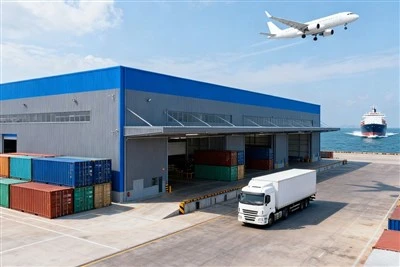
If you have opted for port-to-port delivery, you need to arrange for the transportation of the goods from the port of arrival in Australia to your final destination. You can hire a local transportation company or use a freight forwarding service to handle the transportation.
Conclusion
Large-item Logistics From China To Australia Shipping second-hand goods from China to Australia by sea can be a complex process, but by following these procedures and working with a reliable China-Australia Sea Freight supplier, you can ensure that your goods are shipped safely and efficiently. If you have any questions or need further assistance with your second-hand goods shipment, please don’t hesitate to contact me. I’m here to help you navigate the shipping process and make it as smooth and hassle-free as possible.
References
- Australian Department of Agriculture, Water and the Environment. (n.d.). Prohibited and restricted goods.
- International Maritime Organization. (n.d.). International Maritime Dangerous Goods (IMDG) Code.
Shenzhen Kuaihui International Logistics Co., Ltd.
Shenzhen Kuaihui International Logistics Co., Ltd. is a leading China-Australia dedicated logistics service provider in China. As a professional agent and platform, we are committed to providing high quality china-australia sea freight with low price. Welcome to contact us for pricelist.
Address: 3rd Floor, Building 6, Nanbiantou Industrial Zone, Xifang, Songgang Street, Bao’an District, Shenzhen City, Guangdong Province
E-mail: info@kkhwl.com
WebSite: https://www.kuaihuiexp.com/
