If you’ve ever run your fingers over a textile with subtle, slanted lines that aren’t as sharp or rigid as plain twill—those soft, gentle diagonal marks that shift and adjust as the cloth moves—you’ve felt broken twill. As a supplier of broken twill fabrics for nearly a decade, I get asked this question more than any other: How exactly does broken twill drape? It’s not a simple yes-or-no answer. Drape is what makes a fabric feel right for a garment, a curtain, or upholstery, and broken twill’s drape is shaped by the way it’s woven, the fibers it’s made from, and how it’s finished. Today, I’m breaking this down like I would for a new fashion designer or upholsterer picking fabric for their next project—no stuffy jargon, just real-world answers from someone who’s shipped thousands of yards of this stuff. Broken Twill
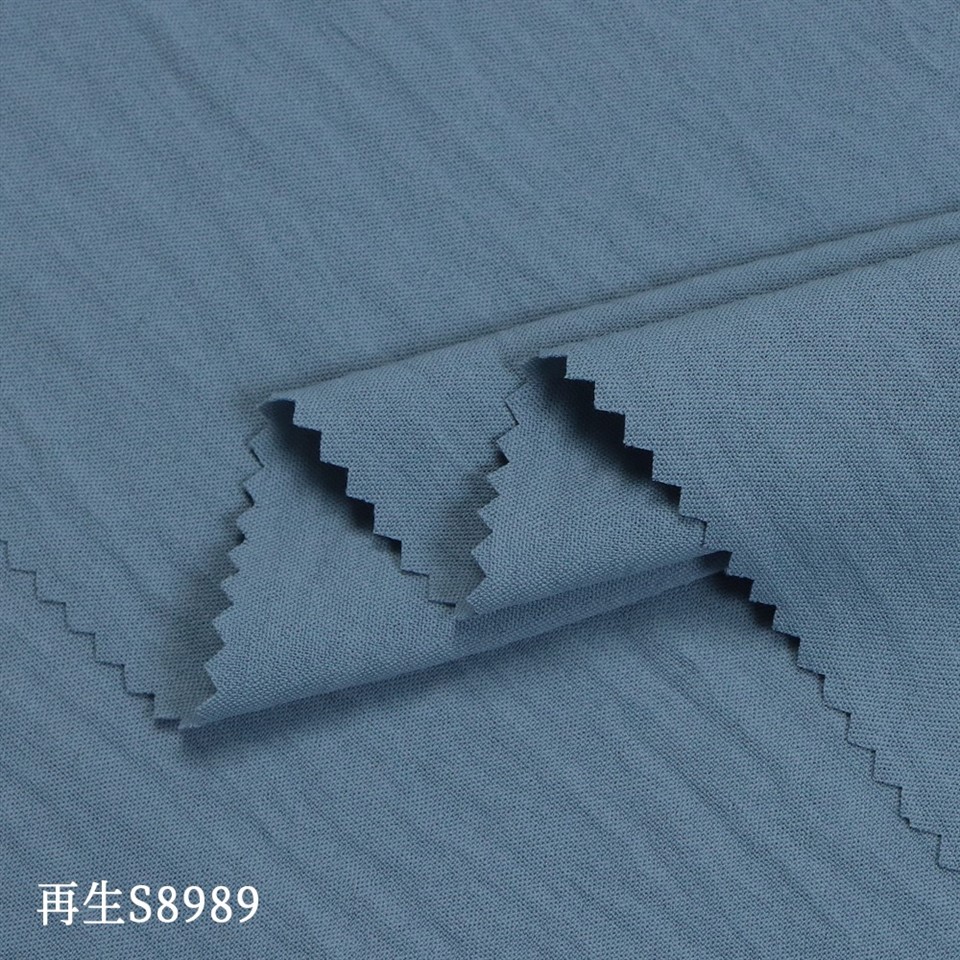
First, let’s start with what broken twill is, because that’s where the drape story begins. Most people know plain twill: that fabric with a 1/3 or 3/1 weave, where every weft thread crosses over one warp, under three, repeating the same pattern across the whole cloth. That’s why a denim jacket has such a crisp, defined diagonal—plain twill’s weave is regular, so the lines are sharp and stable. Broken twill twists that rule. We alter the weave sequence every few rows or columns, breaking the straight diagonal into shorter, staggered segments. A common broken twill is the 2/2 broken twill: over two, under two, shift the sequence, repeat. Instead of one long, unbroken diagonal, you get tiny, connected peaks and valleys that zig-zag slightly, like a series of small, soft triangles across the surface.
That small change to the weave is the biggest reason broken twill drapes so differently from plain twill. Plain twill has a tight, rigid structure—each thread is locked in a consistent pattern, so the fabric doesn’t shift easily. When you hold a yard of plain twill horizontal, it hangs straight, with that stiff, sharp drape. Broken twill, though, has “give” built into its weave. The staggered pattern means that no two adjacent warp or weft threads are held in exactly the same tension. When you lift a piece of broken twill, those small gaps between the staggered threads let the fabric bend and fold more gently, instead of resisting that movement like plain twill does. I’ve had customers come in expecting a fabric with the same structured drape as twill, and they’re surprised when it falls in soft, natural curves—perfect for flowy dresses, soft throw pillows, or upholstery that hugs a couch’s curves without looking stiff.
But wait—drape isn’t one-size-fits-all. It changes based on what the fabric is made of, and that’s something I see every day when we get custom orders from different industries. Let’s talk about natural fibers first, because that’s where most of our broken twill volume is. Cotton broken twill is the most popular for apparel, and its drape is lightweight, airy, and soft. A 6-ounce cotton broken twill will drape like a soft jersey but with enough structure to hold its shape—great for shirt dresses, midi skirts, or lightweight blazers. The cotton fibers are breathable, and the weave’s give means it doesn’t cling awkwardly to the body; it moves with the wearer, not against them. I recently shipped a batch of this to a sustainable fashion brand that makes wrap dresses, and their designer told me the broken twill drape meant she didn’t have to add extra seam allowance to make the dress flow when walking.
Then there’s linen broken twill. Linen is stiffer than cotton, but its broken twill weave softens that stiffness. A 8-ounce linen broken twill will drape with a bit of gentle weight, not the crisp, unforgiving drape of plain linen twill. It wrinkles, of course—linen does that—but the broken weave makes the wrinkles soft and organic, not sharp lines that look messy. We sell a lot of this for table linens: it hangs well over table edges, doesn’t slide around like a slippery plain fabric, and the soft wrinkles add charm instead of looking unkempt. A lot of interior designers choose linen broken twill for curtain panels too, because it filters light nicely and drapes in soft, flattering folds that don’t sag unevenly.
Wool broken twill is another staple, especially for outerwear and tailored pieces. Wool is heavier, so 10-ounce wool broken twill has a structured drape that still bends nicely. The broken weave prevents the sharp, boxy look that plain wool twill sometimes has, so it works for blazers that need to contour to the shoulders or coat fabric that moves when you walk. We had a customer make men’s wool overcoats with our 12-ounce broken twill, and their feedback was that the coat hung well without looking stiff, even after months of wear. It doesn’t bunch at the elbows like some plain wool twill does, because the weave’s give lets it move with the arm.
Now, what about synthetic fibers? Polyester broken twill is a go-to for uniform fabrics and outdoor upholstery, because it’s durable and easy to clean. Its drape is a bit more stable than natural fiber broken twill, but still softer than plain polyester twill. It holds its shape well for workwear pants and uniform shirts, but still has enough flexibility to not feel stiff during long workdays. We also make a stretch broken twill with spandex for activewear and loungewear—add a small percentage of elastane, and the drape becomes even more body-conforming, stretching with movement and then bouncing back. That’s a big seller for leggings and casual joggers, because the broken twill’s soft drape doesn’t dig in like regular stretch denim sometimes does.
Another thing that affects how broken twill drapes is weight, or what we call “yardage” in the trade. Lighter broken twills, like 4-ounce poly or cotton, drape very softly, almost like a lightweight lawn fabric. They’re great for summer blouses or scarves, because they flow gently in a breeze. Heavier broken twills, like 14-ounce wool for outerwear, drape with more authority—they stand up a little, but still fold into soft creases, not sharp ones. I always tell customers to match the weight to their end use: if you’re making a floor-length gown, a 6 or 8-ounce cotton or silk broken twill will drape beautifully, pooling softly at the floor. If you’re making a heavy curtain for a dining room, an 8 or 10-ounce linen or polyester blend will drape in deep, elegant folds that add a sense of warmth to the space.
Wait, let’s talk about the differences between broken twill and other fabrics people mix it up with—like satin or plain twill—because that’s where the confusion about drape comes in. Satin has a smooth, shiny surface and a very lustrous drape, but it’s slippery and doesn’t hold shape as well as broken twill. Plain twill has a structured, sharp drape that’s good for workwear or structured outerwear, but it’s not soft like broken twill. I had a customer last year who ordered plain twill when she wanted broken twill, and she told me it was too stiff for her maxi dress. She came back for our 7-ounce cotton broken twill, and the difference was night and day: the broken twill draped in soft folds that flattered her figure, while the plain twill had hung straight like a sheet and looked unflattering.
Finishing also plays a huge role in drape, and that’s something we control carefully at our factory. When we finish broken twill, we can choose to pre-wash it to soften it even more, or leave it slightly stiffer for projects that need more structure. For example, if a designer is making a structured blazer, we can do a light finish that keeps the fabric a little firmer, so it holds its shape. If they’re making a flowy skirt, we’ll pre-wash it to add that extra softness and drape. We also offer a range of treatments, like water repellent or stain-resistant, that don’t interfere with the drape—something a lot of synthetic fabric suppliers get wrong, where the treatment makes the fabric stiff. With broken twill, the weave’s natural give means even after a treatment, it still drapes the way it’s supposed to.
Another common question I get: how does broken twill drape when it’s made into 3D shapes, like fitted clothing or pillows? I’ll be honest, it’s not as stretchy as knit fabrics, but it has enough flexibility to form around curves. A broken twill pillow will fit neatly into a pillow form, because the weave lets it pull around the edges without bunching. A fitted shirt made from broken twill will contour to the shoulders and waist, because the give in the weave lets the fabric shift slightly as you sew it, instead of fighting the seam. We’ve had furniture makers use broken twill for couch upholstery, and they tell us it doesn’t sag or pull away from the arms of the couch, because the drape is balanced—heavy enough to hold shape, but soft enough to fit the curve of the furniture.
Of course, no fabric is perfect, and broken twill’s drape isn’t for everyone. If you need a fabric with a very sharp, structured drape, like for a tailored suit that needs to hold its rigid shape, broken twill might not be the best choice. Plain twill or a wool suiting fabric would work better. But if you want a fabric that’s soft, flexible, drapes naturally, and is durable enough for everyday use, broken twill is hard to beat.
I’ve spent years refining our broken twill offerings, because I know how important drape is to a project. A fabric that doesn’t drape right can ruin a garment or a piece of furniture, no matter how well it’s made. That’s why we work with each customer to figure out exactly what they need: are they making a summer dress that flows? A heavy curtain that hangs in soft folds? A work shirt that needs to hold its shape through a long shift? We’ll adjust the weight, fiber, and finish to get the exact drape they’re looking for.
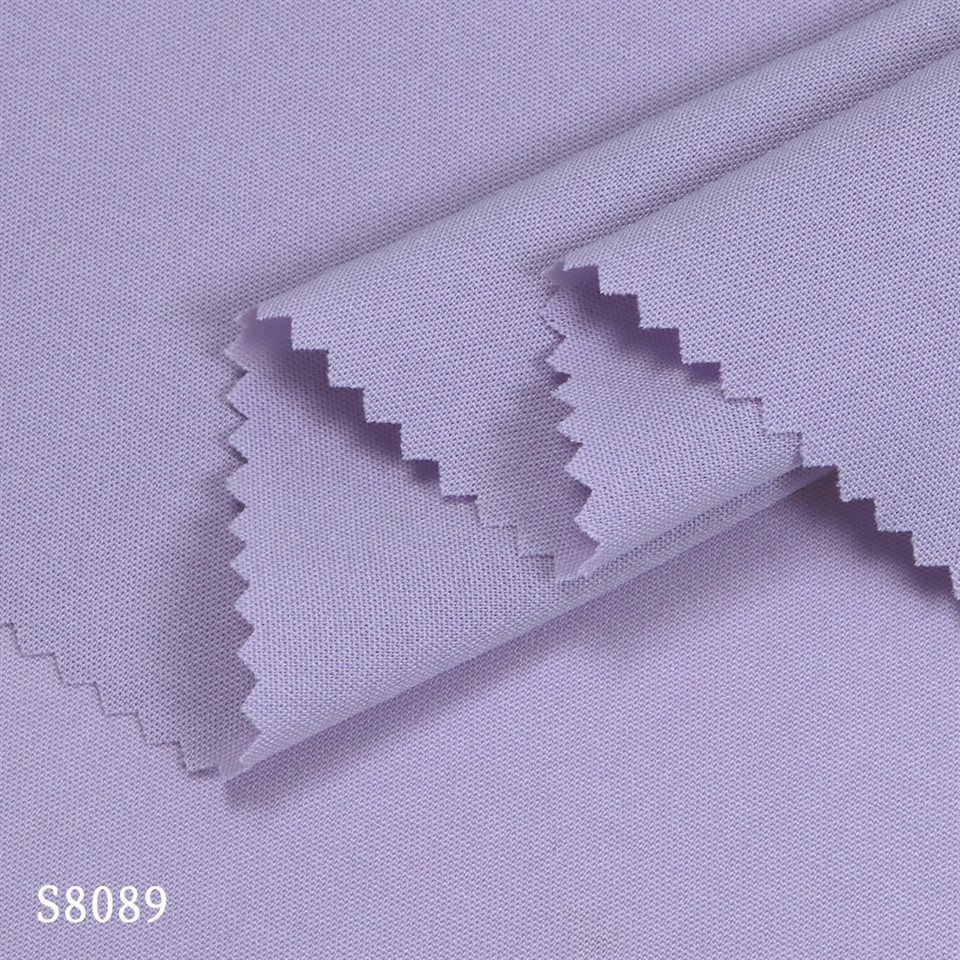
If you’re a fashion designer, interior designer, upholsterer, or anyone looking for fabric that drapes softly, naturally, and lasts, we can help. We carry a wide range of broken twill fabrics in cotton, linen, wool, polyester, and blends, in a variety of weights and colors. Whether you need a small batch for a custom project or a bulk order for a large collection, we can meet your needs. Reach out to us to discuss your next project, and we’ll walk you through everything from weave structure to drape to make sure you get the perfect fabric for your vision.
2 2 Twill Weave References
Collier, B., & Tortora, P. G. (2015). Understanding Textiles. Pearson Education.
Holme, I. (2018). Textile Technology: Weaving, Knitting, and Finishing. Woodhead Publishing.
Joseph, M. (2020). Fabric Drape: Principles and Applications. Textile Institute.
Shaoxing Huichao Textile Co., Ltd.
As one of the most professional broken twill manufacturers and suppliers in China, we offer a wide range of products with superior quality. Please feel free to wholesale bulk high-end broken twill in stock here from our factory. Good service and reasonable price are available.
Address:
E-mail: darrenzhong@huichaotextile.com
WebSite: https://www.huichao-textile.com/
