Hey everyone, Catalysts and Additives

If you’ve ever stood next to a heavy-duty machine that’s been running for hours without a hitch, or pulled a smooth gear shift in a car that’s got plenty of miles on it, you’ve probably experienced the quiet magic of well-tuned friction management. As someone who’s been in the catalysts and additives game for over a decade, I can’t tell you how many times people come to me asking, “What actually makes moving parts glide instead of grind?”
Let’s cut to the chase: friction in mechanical systems isn’t just a minor annoyance—it’s the reason 20-30% of the world’s industrial energy goes to waste, and it’s what causes half the wear and tear that makes machines break down early. The good news? We’re not stuck with just “good engineering” to fix it. The right additives can turn a clunky, high-friction system into something that runs cleaner, lasts longer, and uses less energy.
I’ve spent years working with factory teams, automotive shops, and even aerospace guys to nail down which additives actually deliver, and which ones are just marketing fluff. Let’s break down the real players here, the science behind why they work, and how we at our shop make sure they do exactly what they’re supposed to.
First up: The big one that everyone’s heard of, but almost no one gets right—lubricant additives, specifically anti-wear (AW) and extreme pressure (EP) additives. Wait, I know, “anti-wear” and “extreme pressure” sound like jargon, but stick with me. Let’s say you’ve got two metal gears rubbing together. Without anything extra, the tiny bumps on their surfaces get hot, melt, and weld themselves shut—no joke, that’s called adhesive wear, and it’s a super common way machines seize up.
AW additives, usually things like zinc dialkyldithiophosphate (ZDDP), work by reacting with the metal surfaces at low to moderate temperatures (like the ones you get in a regular car engine). They form a thin, protective layer that fills in those tiny bumps, so the metal isn’t grinding directly against metal. EP additives, though, are for the heavy stuff—think metal stamping presses, construction equipment that’s hauling tons of dirt, or gears in a wind turbine that spin nonstop. These are made from things like sulfurized olefins or chlorinated paraffins (though we’ve moved to non-chlorinated options lately, more on that in a sec) that only react when temperatures get really high—like when two metal surfaces are under extreme stress. That layer is way tougher, so it prevents those high-temperature welds that can break parts completely.
Here’s the thing we tell our clients: you can’t just dump AW additives into any old lube. Too much ZDDP, for example, can actually leave a gritty residue that clogs filters over time, or even react with certain seals and break them down. We test every batch we supply to make sure the concentration is just right—no guesswork, just data from field tests with actual machines running on the client’s floor.
Next up, the unsung hero: friction modifiers (FMs). These are different from AW/EP additives because their whole job is not to build a thick protective layer, but to reduce the shear force between moving parts by making the surfaces slippery. I like to think of FMs as the “middleman” between two surfaces that don’t want to touch. There are two main types here: solid FMs and liquid FMs.
Solid FMs are the cool ones. Think molybdenum disulfide (MoS2)—you’ve probably seen it as that dark, greasy stuff used in old grease guns, or even in some bike chain lube. It’s a layered compound, so when you rub it between two surfaces, the layers slide right past each other like a deck of cards. That’s why it works so well for bearings that spin super fast, or for chains that get exposed to dust and dirt. The other solid FM you might not have heard of is hexagonal boron nitride (h-BN), which is even better for high temperatures—like in furnaces or jet engine parts, where MoS2 would break down.
Liquid FMs, on the other hand, are usually fatty acids or esters, and they work by adsorbing (that means sticking) to metal surfaces like a thin, invisible film. This is perfect for things like passenger car engines, where you don’t want a thick layer gunking up the engine. I’ve had a lot of automotive clients swear by these because they get better fuel economy—like 3-5% better, which adds up over a year of driving. The catch here is that liquid FMs don’t hold up as well under extreme pressure. If you’re running a truck that’s pulling a trailer up a mountain, you’ll still need that AW additive, but a liquid FM can help reduce friction when the engine’s just idling or cruising on flat roads.
Now, let’s talk about the new kids on the block: nanomaterial additives. This is where my team and I have been doing a lot of work lately, and it’s been a game-changer. Nanomaterials are tiny—like 1 to 100 nanometers, so small you can’t see them with a regular microscope. Stuff like carbon nanotubes, graphene, or nanodiamonds. Unlike the older solid additives, these aren’t just “filler” particles—they actually roll between the moving parts, like tiny ball bearings. Wait, no, even better: some of them form a protective layer that’s only a few nanometers thick, but it’s super strong, so it reduces both friction and wear way more than traditional additives.
We tested one batch of nanodiamond additives with a steel mill a couple years back. Their rolling mills were having to be serviced every 6 months because of excessive wear on the rollers. We added our nanodiamond-infused lube, and they haven’t had a major service in 2 years. That’s not a sales pitch—that’s the kind of result we live for. The only downside? Nanomaterials can be tricky to disperse evenly in lubricants, so you have to make sure they don’t clump up and cause more problems than they solve. We’ve perfected our dispersion process, so all our additives stay evenly mixed, no clogs, no extra wear.
Now, I know what some of you are thinking: “What about environmentally friendly options?” A lot of industrial clients are switching to bio-based lubes, and the old additives—like the chlorinated EP ones I mentioned earlier—don’t play nice with that. So we’ve been developing bio-compatible additives that work just as well, but break down naturally in the environment. We supply a line of these to several wind farms, which have to meet strict EPA standards for runoff, and the results are identical to the old chemical ones—just no harm to local ecosystems.
Let’s get real for a second here. A lot of additive suppliers will tell you their product is “the best” for every system. That’s garbage. The right additive depends on what your machine is, how it’s running, what temperatures it sees, and even what kind of lubricant you’re using. For example, a 2-stroke small engine (like a lawnmower) needs a different mix than a heavy-duty diesel engine for a semi-truck. A hydraulic pump in a factory has different needs than a gearbox in a mining truck.
I’ve had clients come to us frustrated because they bought a random additive online, dumped it in, and it didn’t work. More than half the time, it’s because the concentration was wrong, or it wasn’t compatible with their existing lube. We don’t just sell additives—we help you figure out what you actually need. We’ll send free sample batches, do basic friction tests, and even work with your maintenance team to adjust the mix if something’s off. That’s the kind of hands-on support you don’t get from big corporate suppliers.
Wait, let’s also address a common myth: more additives = better. No way. Adding too much can cause that gunk I mentioned earlier, or react with seals, filters, or other parts of the system. We make sure every one of our additives is formulated to hit exactly the right balance, so you don’t have to worry about overdoing it.
So, let’s wrap this up. If you’re dealing with a machine that’s using too much energy, breaking down too often, or just feeling clunky, the right additives can solve a lot of that problem. Whether you need anti-wear for metal-on-metal contact, friction modifiers for smoother operation, nanomaterials for extreme conditions, or bio-compatible stuff for green operations, we’ve got you covered.
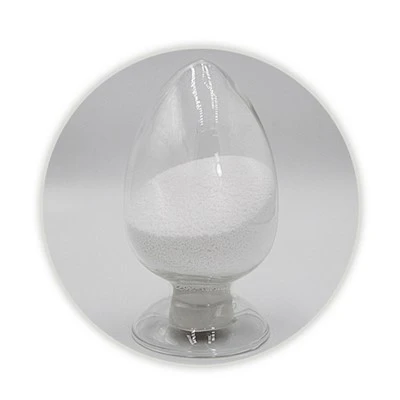
If you’re tired of guessing which additives work, or your current supplier is just sending you generic stuff that doesn’t deliver results, hit us up for a consultation. We’ll chat through your system, send samples, and help you find the exact mix to cut friction, reduce wear, and save you money in the long run. No sales hype, no fine print, just straight talk about what works.
Flavors and Fragrances References
- Holmberg, K., Andersson, P., & Erdemir, A. (2012). Global energy consumption due to friction in passenger cars. Tribology International, 47, 221-234.
- Spikes, H. (2003). Friction modifiers and fuel economy. Tribology Letters, 14(1), 59-70.
- Erdemir, A. (2007). The roll of solid lubricants in tribology. Wear, 262(5-6), 1192-1200.
- Berman, D., Erdemir, A., & Sumant, A. V. (2018). Graphene as a lubricant. Carbon, 129, 772-795.
- Ratoi, M., & Berli, C. L. A. (2020). Bio-based lubricant additives: A review. Journal of Cleaner Production, 266, 121897.
Shanghai Arise New Material Co., Ltd.
We are one of the most experienced catalysts and additives manufacturers and suppliers in China. With a professional production team, we offer a wide range of chemicals with superior quality and competitive price. Please feel free to buy bulk premium catalysts and additives made in China here from our factory. Welcome to contact us for quotation.
Address: Room A6, 421, 4th Floor, No.11, Lane 16299, Puwei Highway, Shanyang Town, Jinshan District, Shanghai
E-mail: anna@arisenewmaterial.com
WebSite: https://www.arisenewmaterial.com/
