If you’re running a facility that uses box furnaces for heat treatment, sintering, or material testing, you already know these workhorses deliver consistent, high-temperature results— but they also come with hidden risks, especially when dangerous materials go into the chamber. As a box furnace supplier with 12 years on the floor, I’ve seen firsthand what happens when teams cut corners here: last year, a small metal finishing shop tried to load unlabeled pyrotechnic residues into their furnace, leading to a small explosion that damaged the door and sent noxious fumes through their break room. It’s not just equipment damage, either; improper handling puts your team at risk of burns, chemical exposure, or even catastrophic fires. This post breaks down the step-by-step, science-backed way to handle dangerous materials in a box furnace, plus what we’ve learned to build furnaces that make this process safer for our customers. Box Furnace
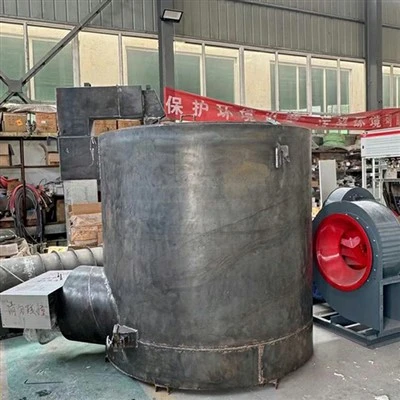
First, let’s define what counts as a dangerous material for box furnace use. These aren’t just generic “hazardous materials” from a workplace checklist— this is stuff that can react at the high temperatures your box furnace runs (anywhere from 200°C to 1,700°C, depending on your model). Common examples include: pyrophoric materials (like lithium metal, which ignites on contact with air at room temp; or metal hydrides that release flammable hydrogen when heated), corrosive compounds (hydrofluoric acid residues, chloride salts that break down into toxic chlorine gas at high heat), reactive organics (solvents, unburned hydrocarbons, or nitrocellulose that can detonate if heated too fast), and toxic heavy metals or their compounds (lead, cadmium, arsenic, which release poisonous fumes when vaporized). Even materials that seem benign— like some epoxy resins or certain battery components— can become dangerous when heated in an enclosed chamber.
The first non-negotiable step before loading anything: know your material’s thermophysical profile. This isn’t just checking an SDS (Safety Data Sheet) for room-temperature hazards— you need to dig into how it behaves at the temperatures your furnace will reach. A standard SDS will list things like flash point, autoignition temperature, and thermal decomposition products— that’s the data that prevents accidents. For example, if you’re sintering lithium-ion battery anodes, the SDS will note that lithium has an autoignition temp of 180°C, but in a box furnace’s low-oxygen atmosphere (common for sintering), that temp can drop to 120°C. Skipping that detail is how many of those small furnace fires start. Our sales team often gets questions from customers asking, “Can I heat this material in your box furnace?” and the first thing we ask for is the full SDS, not just a vague description of what they’re processing.
Next, prepare the material for chamber loading— this is where most mistakes happen, even with teams that double-check SDS sheets. First, decontaminate any external surfaces of the material or its container. If you’re processing metal shavings coated in machining fluid, wipe them down with a non-flammable solvent (like isopropyl alcohol, which has a high flash point, not acetone) to remove residual organic compounds that can ignite. Second, encapsulate the material in a non-reactive, permeable container designed for high heat. We recommend alumina crucibles or sealed stainless steel cans with small vent holes— here’s why: if the material does start to react, the vent lets pressure escape slowly instead of building up and blowing the furnace door off, and the crucible traps any toxic fumes so they don’t circulate in your shop. Never load loose powdery materials directly into the furnace chamber; fine particles can catch fire mid-heatup and spread uncontrollably. We also advise against using plastic containers for pre-loading; even heat-resistant plastics can warp at high temps and release chemicals that contaminate your furnace’s insulation.
Then, set your furnace’s process parameters intentionally to avoid reaction. A lot of operators crank the heat to hit a production deadline, but fast temperature ramps are the #1 cause of small explosions in box furnaces. For dangerous materials, we recommend a ramp rate of no more than 5°C per minute— slower is safer, even if it adds a couple hours to your cycle. Why? When a material is heated slowly, it decomposes evenly instead of heating up a core that’s still cool, leading to a sudden, violent reaction. Also, control the atmosphere inside the chamber: most box furnaces can be set to air, inert gas (argon, nitrogen), or vacuum. For pyrophoric materials, always use an inert atmosphere; for corrosive materials, vacuum is better because it pulls decomposition fumes out as they form instead of letting them react with your furnace’s heating elements. We build safety interlocks into all our box furnaces that pause the heat cycle if atmosphere sensors detect a sudden spike in flammable gas— that’s not just a fancy add-on; it’s a feature we’ve refined over years of customer feedback after a 2018 incident where a customer’s unmonitored furnace let hydrogen build up and explode.
Once the process is done, don’t rush the cool-down. The biggest mistake here is opening the furnace door immediately after the cycle finishes, especially if you’re processing reactive materials. A hot material that just finished decomposing can react violently when exposed to room-temperature oxygen. We mandate a cool-down period of at least 4 hours (or longer for materials above 500°C) before opening the door, and our box furnaces come with a temperature lock that won’t let you unlock the door until the chamber is below 100°C— that’s a safety feature that’s saved dozens of customers from burns and ignitions. We also tell teams to use tongs rated for high heat, not just oven mitts; even if the door is cool, the crucible or container holding the material can still be 500°C, and a slip can lead to a serious injury.
Finally, post-cycle cleanup is just as important as loading. If your furnace chamber has residue from dangerous materials, don’t wipe it down with a dry cloth— that can spread toxic dust or fine particles. Instead, use a HEPA-filtered vacuum (designed for industrial use, not household vacuums) to suck up debris, then wipe the chamber walls with a damp, non-flammable cloth. For corrosive residues, use a pH-neutral cleaner designed for high-temperature furnace insulation to avoid damaging the heating elements. We also recommend a monthly inspection of your furnace’s sensors— the temperature and atmosphere gauges— because a faulty sensor can lead to a runaway reaction even if you followed all the loading steps. Our service team does 20+ annual inspections for customers who purchase our box furnaces, and we’ve noticed that 70% of furnace-related incidents are linked to uncalibrated sensors, not improper material handling.
As a box furnace supplier, our job isn’t just to sell you a heating chamber— it’s to give you the tools and knowledge to use it safely. We’ve built every one of our box furnaces with safety features tailored to dangerous material use: vented door designs that release excess pressure without letting fumes escape into your shop, dual atmosphere sensors that trigger an alarm if gas levels get too high, and temperature locks that prevent premature door opening. We also offer free on-site training for all customers who buy our furnaces, walking teams through how to interpret SDS sheets, set ramp rates, and respond if a small reaction does occur. Last year, a custom metal alloy manufacturer told us that since they switched to our box furnace’s safety features, they’d cut their incident rate to zero— up from two minor fires a year before.

Handling dangerous materials in a box furnace doesn’t have to be a high-risk gamble. It all boils down to knowing your materials, prepping them correctly, setting your furnace’s parameters thoughtfully, and using equipment designed for safety. If you’re in the market for a box furnace that’s built to support safe processing of dangerous materials, or if you have questions about your current setup’s safety protocols, don’t hesitate to reach out to our team to discuss your specific needs.
Quenching Furnace References
- OSHA. (2022). Hazardous Materials Handling in Industrial Furnaces. Occupational Safety and Health Administration.
- ASTM International. (2021). Standard Guide for Safe Operation of Box Furnaces for Heat Treatment. ASTM E1229-21.
- National Fire Protection Association. (2020). Code for Industrial Heating Processes. NFPA 86.
- Center for Chemical Process Safety. (2019). Safe Handling of Reactive Materials in High-Temperature Furnaces. American Institute of Chemical Engineers.
- International Organization for Standardization. (2018). Furnace Safety Requirements for Hazardous Material Processing. ISO 11555:2018.
Jiangsu Fangwei Furnace Industry Co., Ltd.
Jiangsu Fangwei Furnace Industry Co., Ltd. is one of the most professional box furnace manufacturers and suppliers in China. With abundant experience, we are committed to providing high quality customized products with competitive price. Please feel free to buy advanced box furnace made in China here from our factory.
Address: No.168, HuangNian Bridge, DaoShu Town, Danyang City, JiangSu Province, China
E-mail: fangwei@fwfurnaces.com
WebSite: https://www.fwfurnaces.com/
