If you’ve ever dabbled in electroplating—whether for making jewelry that doesn’t fade, parts for a car that resist rust, or even circuit boards that last longer—you know how frustrating oxidation can be. Metal surfaces turn dull, spotty, or corroded before they’re supposed to, and that can tank the whole project. But here’s the thing: most people don’t talk about the quiet hero making all that anti-oxidation magic happen in electroplating lines. That’s right, I’m talking about the titanium anode. As someone who’s been supplying titanium anodes for electroplating for over a decade, I’ve seen first-hand how this humble component keeps plating jobs running smooth and parts looking fresh for years. Let’s break down what it actually does, why it’s way better than the old options, and why you should care if you’re in the electroplating game. Titanium Anode for Electroplating
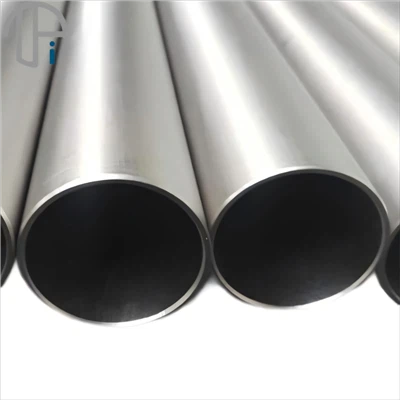
First off, let’s keep this simple—what’s an anode anyway? In basic electrochem terms, an anode is the positive electrode in an electrolytic cell, right? When you’re plating, you immerse two metal pieces in a solution (the electrolyte) that has metal ions in it. The anode is usually the same metal you’re plating with, like nickel or copper, and it dissolves a little to release those ions into the solution so they can stick to the negative piece (the cathode, or the part you’re plating). But here’s the problem with regular anodes: if you use a metal that dissolves easily, it can fall apart, leave gunk all over your tank, or even oxidize itself. That’s where titanium comes in. Titanium is one of those metals that doesn’t react easily—thanks to that super thin, tough oxide layer that forms on its surface the second it hits air or water. That layer is like a built-in shield, and that’s why it’s perfect for anodes.
Wait, hold up—when titanium is an anode, that oxide layer doesn’t get in the way. In fact, it does the exact opposite of what you might think. Let’s say you’re using a plating solution that has acid in it, like many do for nickel or chromium plating. Regular steel anodes would rust away immediately in that acid, leaving iron particles all over your plating bath. Those iron particles would stick to the parts you’re plating, making them look spotty and rough, and then those spots would oxidize in no time. That’s a total waste of time and materials, right? But a titanium anode? That shield layer on it doesn’t dissolve in acid, even when it’s at a positive charge. So it stays solid, doesn’t break down, and doesn’t contaminate your solution. No gunk, no extra work cleaning the tank every week, and that means the metal ions in your electrolyte stay pure. Pure ions = even plating = less oxidation on your finished parts. Makes sense, right?
Another big thing about titanium anodes: they don’t oxidize themselves during electroplating. Let’s compare that to another common anode material, like lead. Lead was used back in the day, especially for chrome plating, but it’s toxic, heavy, and oxidizes super easily. When a lead anode oxidizes, it forms lead oxide particles that fall into the solution. Those particles are not only bad for your plating quality, but lead is a health hazard too—you’ve got to deal with special disposal, extra safety gear, that whole mess. Titanium? No toxicity, no heavy lifting (they’re way lighter than lead), and that oxide layer I mentioned earlier? It only forms on the surface, not deep into the metal. So the titanium itself doesn’t corrode or oxidize, which means your anode lasts way longer. I’ve had customers tell me their titanium anodes last 5-10 years, whereas lead ones need replacing every 6 months. That’s a huge cost save, not to mention less downtime swapping them out.
Wait, let’s get into the actual mechanism a little, so you don’t think I’m just selling a metal for no reason. When you run an electroplating cell, current flows from the anode (positive) to the cathode (negative). At the anode, two things can happen if it’s not titanium: either the anode metal dissolves into the electrolyte, or water in the solution splits into oxygen gas and hydrogen ions (that’s called electrolysis). If the anode oxidizes, it might stop letting current flow through easily, which means uneven plating. Titanium’s oxide layer is a “valve metal”—it lets that current pass through, especially when you coat it with a tiny layer of a catalyst, like iridium or ruthenium (that’s what we do when we manufacture our anodes, by the way). So even though the titanium itself isn’t dissolving, the catalyst on top releases the metal ions you need for plating. That means your current is stable, your plating is uniform, and no extra oxygen is being generated that would cause oxidation on your parts. Wait, that’s a key point I almost missed—if too much oxygen is released in the plating tank, that oxygen can react with the metal ions in the solution or the surface of the part you’re plating, causing oxidation right there. Titanium anodes minimize that extra oxygen because they only pass the current needed to release the plating ions, not extra. So less oxygen = less oxidation.
Let’s talk real-world examples, because that’s what matters. A customer I worked with last year does plating for automotive trim—think the chrome pieces on door handles and grills. They were using lead anodes before, and they had a huge problem with the chrome plating developing black spots within a few months of the car being made. They tried cleaning the tank more often, adjusting the solution pH, nothing worked. We swapped their lead anodes for our coated titanium anodes, and within 3 months, their defect rate dropped from 8% to less than 1%. Why? No more lead oxide gunk in the solution, the plating was uniform, and no extra oxygen was causing oxidation. Another client does jewelry plating—gold and silver plating on rings and bracelets. They used to have gold plating that peeled or tarnished after a year because the old anodes left impure gold ions. With our titanium anodes, the gold ions are pure, the plating sticks better, and the jewelry doesn’t tarnish (which is oxidation) nearly as fast. That’s the kind of results I see every day, and it’s all because the titanium anode is preventing oxidation both in the plating tank and on the finished part.
Now, why is titanium better than other anode options? Let’s get that out of the way. Graphite anodes were also used for a while, but graphite is porous. Over time, the solution seeps into the pores, and the graphite starts to oxidize, leaving carbon particles in the tank. Those carbon particles stick to parts, make them look dull, and the anode itself falls apart. Titanium? It’s non-porous, so the solution can’t seep in, and it doesn’t oxidize in the tank. Plus, it’s more conductive than graphite, so you use less energy to run the plating line. That’s another cost save—lower electricity bills because you’re not wasting power on a less conductive anode.
Wait, but I know what some people might be thinking: “Titanium is expensive, right? Why would I spend more upfront?” Yeah, it’s true, titanium anodes cost a bit more than lead or graphite at first. But when you factor in how long they last (5-10 years vs 6 months for lead), less downtime, lower energy bills, fewer defects, and no need for hazardous material disposal like lead, it’s way cheaper in the long run. Let me do the quick math for you: if a lead anode costs $50 and you replace it every 6 months, that’s $100 a year. A titanium anode that costs $200 lasts 5 years, that’s $40 a year. Plus, you’re not paying for the labor to swap out anodes every month, or the chemical cleaners for the tank, or the rework for defective parts. That adds up fast. Most of my customers make back the extra cost of a titanium anode in less than a year, which is a no-brainer.
Also, titanium anodes are super versatile. They work for almost every type of electroplating—chrome, nickel, gold, silver, copper, even specialty plating for electronics or aerospace parts. We make custom sizes too, because not every plating tank is the same. You can get them in flat plates, rods, tubes, whatever fits your line. And the coated ones (with the iridium or ruthenium layer) are even better because they have longer catalyst life, so you don’t have to re-coat them as often. We test every single anode we sell, so you know it’s going to hold up in your specific solution, whether it’s acidic, alkaline, or something more exotic.
Let me circle back to the original question: what’s the role of a titanium anode in preventing metal oxidation during electroplating? It’s three main things, from what I’ve seen. First, it creates a stable, non-oxidizing surface in the plating tank, so the anode itself doesn’t break down and contaminate the solution. Contamination is one of the biggest causes of oxidation on plated parts, because the gunk in the solution sticks to the metal surface and starts corroding. Second, it ensures pure, uniform metal ions are released into the electrolyte. Impure ions mean uneven plating, which creates tiny gaps where oxygen can get in and cause oxidation later. Third, it minimizes the production of excess oxygen in the tank. That oxygen is a silent oxidizer—if it’s bouncing around the solution, it can react with the plating metal or the base part, leading to oxidation before the plating is even done. Titanium anodes keep that oxygen in check.
I’ve been doing this long enough to know that a lot of electroplating companies stick with what they’ve always used, even if it’s causing problems. I get it—change is scary, and you don’t want to mess up your line. But switching to titanium anodes isn’t a risk. It’s a proven upgrade that fixes oxidation issues, cuts costs, and makes your finished products better. I’ve talked to so many shop owners who were skeptical at first, then came back a year later saying they never should have waited. The proof is in the parts, right? If your plating is cleaner, lasts longer, and doesn’t spot or oxidize, that’s going to make your customers happy. They’ll come back, they’ll recommend you, and you’ll spend less time rework and more time growing your business.
At the end of the day, electroplating is all about getting a durable, attractive metal finish that doesn’t oxidize. The titanium anode is the unsung component that makes that possible. It’s not the flashiest part of the line, but it’s the one that keeps everything running smoothly. If you’re dealing with oxidation issues in your plating, or if you’re just looking to cut costs and improve quality, titanium anodes are the way to go. I’ve worked with all kinds of electroplating operations—small family shops to big industrial plants—and every single one has seen a difference when they switch.
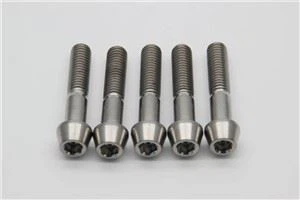
If you’re ready to stop dealing with oxidized parts, gunked-up tanks, and frequent anode replacements, we can help. We manufacture custom titanium anodes for electroplating, tailored to your specific line and solutions. Drop a line to chat through what you need, no pressure, just honest advice from someone who’s been in the game for years. We’re not just selling anodes—we’re helping you solve problems.
Titanium Forging References:
- Dini, J. W. (1993). Electrodeposition: The Materials Science of Coatings and Substrates. Noyes Publications.
- Walsh, F. C. (2012). A First Course in Electroplating and Surface Engineering. Scrivener Publishing.
- Zhang, Y., et al. (2020). Titanium Anodes for Electroplating: Corrosion Behavior and Performance in Acidic Media. Journal of Applied Electrochemistry.
- Lee, H., & Park, S. (2018). Cost-Benefit Analysis of Titanium vs. Lead Anodes for Industrial Chrome Plating. Journal of Electroplating and Finishing.
Baoji Top Titanium Industry Co., Ltd.
As one of the most professional titanium anode for electroplating manufacturers and suppliers in China, we’re featured by quality products and good price. Please rest assured to buy bulk titanium anode for electroplating in stock here and get quotation from our factory. Customized orders are welcome.
Address: No. 2, South Section Of Phoenix 2nd Road,High-Tech Zone, Baoji,Shaanxi, China (Mainland)
E-mail: sales@bjtopti.com
WebSite: https://www.china-topti.com/
