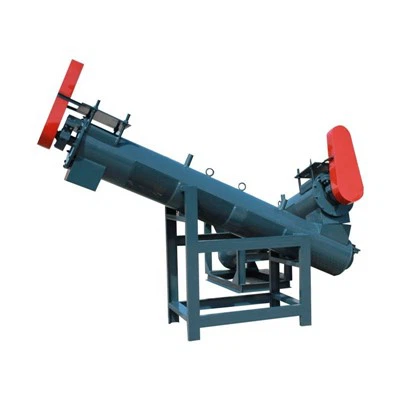
Hey there! I’m a supplier of plastic cleaning equipment, and I often get asked about how the cleaning process of our gear impacts the plastic’s surface finish. It’s a super important topic, especially for folks who rely on high – quality plastic products. So, I thought I’d break it down in this blog post. Plastic Cleaning Equipment
Basic Cleaning Mechanisms and Their Effects
Let’s first talk about the basic cleaning mechanisms that our plastic cleaning equipment uses. There are mainly three types: mechanical, chemical, and thermal cleaning. Each of these has a different impact on the plastic’s surface finish.
Mechanical Cleaning
Mechanical cleaning is all about using physical force to remove dirt and contaminants from the plastic surface. This can involve things like brushing, sanding, or using high – pressure water jets.
When we use brushes, the type of bristles matters a lot. Soft bristles are great for delicate plastics that can easily get scratched. They gently scrub away the dirt without leaving any visible marks on the surface. For example, if you’re cleaning a clear plastic display case, a soft – bristle brush will keep the surface smooth and shiny.
On the other hand, hard bristles are used for tougher jobs. They can remove stubborn stains and debris from more durable plastics. But be careful! If you use hard – bristle brushes on soft plastics, you’ll end up with a rough, scratched surface. It’s like using a wire brush on a plastic toy. The toy will look all scuffed up, and its surface finish will be completely ruined.
High – pressure water jets are another popular mechanical cleaning method. They are super effective at quickly removing large amounts of dirt. The pressure of the water can be adjusted depending on the type of plastic. For thick, sturdy plastics, a higher pressure can be used. But for thin or brittle plastics, a lower pressure is necessary. If the pressure is too high, it can cause the plastic to crack or chip, which obviously affects the surface finish negatively.
Chemical Cleaning
Chemical cleaning involves using various cleaning agents to dissolve or break down dirt and contaminants. The choice of chemical cleaner depends on the type of plastic and the nature of the dirt.
Some plastics are very sensitive to certain chemicals. For instance, acetone is a strong solvent that can dissolve many types of adhesives and grease. But if you use acetone on polystyrene plastic, it will cause the plastic to dissolve and deform. This will result in a completely uneven and damaged surface finish.
On the positive side, milder chemical cleaners can be used to clean plastics without causing any harm. For example, a solution of mild dish soap and water can be used to clean most common plastics. It will remove dirt and grime while leaving the plastic’s surface finish intact. However, it’s always a good idea to test the chemical cleaner on a small, inconspicuous area first to make sure it doesn’t cause any problems.
Thermal Cleaning
Thermal cleaning uses heat to remove dirt from the plastic surface. This can be done by heating the plastic in a controlled environment.
The temperature and duration of the heating process are crucial. If the temperature is too high or the plastic is heated for too long, it can cause the plastic to melt or deform. This will lead to a rough and uneven surface finish. For example, if you try to clean a plastic component by heating it at a very high temperature in an oven, it might end up with a warped and blistered surface.
On the other hand, if the temperature is just right, thermal cleaning can be very effective. It can remove certain types of contaminants that are difficult to get rid of using other methods. For example, some plastics may have a thin layer of oil or grease that can be burned off at a specific temperature without damaging the plastic itself.
The Role of Equipment Quality
The quality of the plastic cleaning equipment also plays a big role in how the plastic’s surface finish is affected.
High – quality equipment is designed to be more precise and gentle. For example, our top – of – the – line cleaning machines have adjustable settings for things like pressure, temperature, and chemical flow. This means you can customize the cleaning process according to the specific needs of the plastic.
Cheaper equipment, on the other hand, may not have these precise controls. You might end up using too much pressure during mechanical cleaning or an incorrect chemical concentration during chemical cleaning. This can lead to more damage to the plastic’s surface finish.
Also, well – maintained equipment is essential. If the brushes on a mechanical cleaning machine are worn out, they won’t clean the plastic properly and may even cause more scratches. Similarly, if a chemical cleaning system has clogged nozzles, the chemical distribution may be uneven, resulting in inconsistent cleaning and a poor surface finish.
Post – Cleaning Treatments
After the cleaning process, there are often some post – cleaning treatments that can improve the plastic’s surface finish.
One common post – cleaning treatment is polishing. If the plastic has minor scratches or a dull appearance after cleaning, polishing can help restore its shine. There are different types of polishing compounds available, and the choice depends on the type of plastic. For example, a fine – grit polishing compound can be used on clear plastics to make them crystal – clear again.
Another post – cleaning treatment is coating. Applying a protective coating to the plastic surface can not only improve its appearance but also protect it from future damage. There are anti – scratch coatings, anti – UV coatings, and other types of specialized coatings. These coatings can enhance the plastic’s surface finish and make it more durable.
Tips for Preserving Surface Finish
Here are some tips for those who want to ensure the best surface finish when using our plastic cleaning equipment:
- Know Your Plastic: Different plastics have different properties. Make sure you know what type of plastic you’re dealing with before starting the cleaning process. This will help you choose the right cleaning method and chemicals.
- Test First: Always test the cleaning method or chemical on a small, hidden area of the plastic. This way, you can see if there are any negative effects before applying it to the entire surface.
- Follow the Instructions: Our plastic cleaning equipment comes with detailed instructions. Follow them carefully to ensure the best results and to avoid damaging the plastic.
- Regular Maintenance: Keep your cleaning equipment in good condition. Regularly check and replace parts as needed. This will ensure that the equipment works properly and doesn’t cause any unnecessary damage to the plastic.
Wrapping Up
In conclusion, the cleaning process of plastic cleaning equipment can have a significant impact on the plastic’s surface finish. Whether it’s through mechanical, chemical, or thermal cleaning, the key is to choose the right method and adjust the settings according to the type of plastic.
The quality of the equipment and post – cleaning treatments also play important roles in achieving a good surface finish. By following the tips I’ve mentioned, you can ensure that your plastic products look great and have a long – lasting finish.
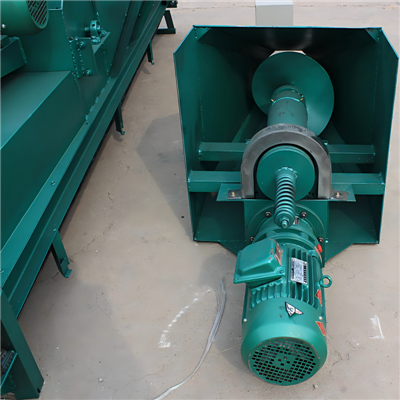
If you’re looking for high – quality plastic cleaning equipment that can help you achieve the best surface finish for your plastic products, don’t hesitate to reach out. We’re here to answer all your questions and work with you to find the perfect cleaning solution. Just drop us a line and let’s start the conversation about how we can improve your plastic cleaning process.
Plastic Crushing Equipment References
- "Plastic Materials and Processes: A Concise Encyclopedia" by Charles A. Harper
- "Surface Engineering for Plastics: Fundamentals and Applications" by Krzysztof Danielewicz
Laizhou Yuening Machinery Co., Ltd.
As one of the most reliable plastic cleaning equipment manufacturers in China, we warmly welcome you to buy cheap plastic cleaning equipment made in China here from our factory. All customized machines are with high quality and low price. For pricelist, contact us now.
Address: Yuanjia Village, Luwang, Shahe Town, Laizhou City, Yantai City, Shandong Province
E-mail: yueningjixie@163.com
WebSite: https://www.ynplasticmachinery.com/
