Are straight stainless steel tubes resistant to acids? Straight Stainless Steel Tube
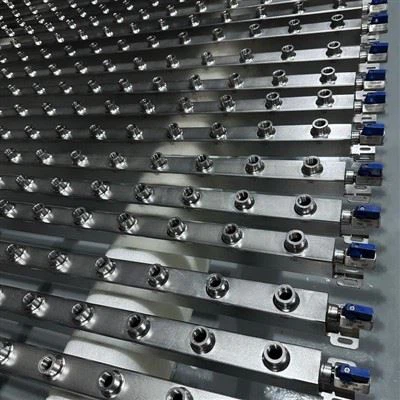
As a supplier of straight stainless steel tubes, I often get asked this question by customers. The answer is not a simple yes or no, as it depends on several factors, including the type of acid, the concentration of the acid, the temperature, and the specific grade of stainless steel used in the tubes.
Understanding Stainless Steel and Its Composition
Stainless steel is an alloy primarily composed of iron, with a minimum of 10.5% chromium. This chromium content forms a thin, invisible layer of chromium oxide on the surface of the steel, which acts as a protective barrier against corrosion. Other elements such as nickel, molybdenum, and titanium may also be added to enhance specific properties, including acid resistance.
Types of Stainless Steel and Their Acid Resistance
There are several types of stainless steel, each with different levels of acid resistance. The most common grades used in straight stainless steel tubes are austenitic, ferritic, and martensitic stainless steels.
- Austenitic Stainless Steel: This is the most widely used type of stainless steel, known for its excellent corrosion resistance, high ductility, and good formability. Grades such as 304 and 316 are popular choices for applications where acid resistance is required. 304 stainless steel contains 18% chromium and 8% nickel, while 316 stainless steel has an additional 2-3% molybdenum, which significantly improves its resistance to pitting and crevice corrosion in chloride-containing environments.
- Ferritic Stainless Steel: Ferritic stainless steels contain between 10.5% and 27% chromium and have a lower nickel content compared to austenitic stainless steels. They are generally less resistant to acids than austenitic stainless steels but are more resistant to stress corrosion cracking. Grades such as 430 are commonly used in applications where cost is a major factor and moderate acid resistance is sufficient.
- Martensitic Stainless Steel: Martensitic stainless steels are hard and strong but have lower corrosion resistance compared to austenitic and ferritic stainless steels. They are typically used in applications where high strength and wear resistance are required, rather than acid resistance.
Resistance to Different Types of Acids
The acid resistance of straight stainless steel tubes varies depending on the type of acid. Here are some common acids and how stainless steel tubes perform against them:
- Sulfuric Acid: The resistance of stainless steel to sulfuric acid depends on the concentration and temperature of the acid. In dilute sulfuric acid (up to about 10% concentration) at room temperature, austenitic stainless steels such as 304 and 316 offer good resistance. However, as the concentration and temperature increase, the corrosion rate also increases. 316 stainless steel is generally more resistant to sulfuric acid than 304 due to the presence of molybdenum.
- Hydrochloric Acid: Hydrochloric acid is a highly corrosive acid, and most stainless steels are not resistant to it, especially at high concentrations and temperatures. However, some high-alloy stainless steels, such as those containing high levels of molybdenum and nitrogen, can offer limited resistance to hydrochloric acid in certain conditions.
- Nitric Acid: Stainless steels are generally very resistant to nitric acid, especially austenitic grades. 304 and 316 stainless steels can withstand nitric acid at various concentrations and temperatures without significant corrosion. This makes them suitable for applications in the chemical and pharmaceutical industries where nitric acid is commonly used.
- Phosphoric Acid: Phosphoric acid has a relatively low corrosivity compared to other acids. Austenitic stainless steels, such as 304 and 316, offer good resistance to phosphoric acid at moderate concentrations and temperatures. However, in more concentrated or high-temperature environments, the use of higher-alloy stainless steels may be necessary.
Factors Affecting Acid Resistance
In addition to the type of acid and the grade of stainless steel, several other factors can affect the acid resistance of straight stainless steel tubes:
- Concentration: As the concentration of the acid increases, the corrosion rate generally increases. Higher concentrations of acid can break down the protective oxide layer on the surface of the stainless steel more quickly, leading to increased corrosion.
- Temperature: Higher temperatures can accelerate the corrosion process. As the temperature rises, the chemical reactions between the acid and the stainless steel occur more rapidly, reducing the effectiveness of the protective oxide layer.
- Exposure Time: The longer the stainless steel tubes are exposed to the acid, the greater the chance of corrosion. Continuous or prolonged exposure to acids can gradually wear away the protective layer and cause pitting, crevice corrosion, or general corrosion.
- Surface Finish: A smooth surface finish can improve the acid resistance of stainless steel tubes. Rough surfaces can provide more sites for corrosion to initiate, while a smooth surface is less likely to trap acids and other corrosive substances.
Applications of Acid-Resistant Straight Stainless Steel Tubes
Acid-resistant straight stainless steel tubes are used in a wide range of industries where protection against corrosive acids is essential. Some common applications include:
- Chemical Processing: In the chemical industry, stainless steel tubes are used to transport and process various acids, such as sulfuric acid, nitric acid, and phosphoric acid. The acid resistance of the tubes ensures the safe and efficient operation of chemical processes.
- Food and Beverage Industry: Stainless steel tubes are widely used in the food and beverage industry due to their corrosion resistance and hygienic properties. They are used for transporting and storing acidic substances such as fruit juices, vinegar, and wine.
- Pharmaceutical Industry: The pharmaceutical industry requires high-quality materials that are resistant to corrosion and contamination. Acid-resistant stainless steel tubes are used in the production and storage of pharmaceutical products, where they come into contact with various acids and chemicals.
- Desalination Plants: Desalination plants use stainless steel tubes to transport seawater and brine, which contain high levels of chloride ions. The acid resistance of the tubes helps to prevent corrosion and ensure the long-term operation of the desalination process.
Conclusion

In conclusion, straight stainless steel tubes can offer varying degrees of resistance to acids, depending on the type of acid, the concentration, the temperature, and the specific grade of stainless steel. Austenitic stainless steels, such as 304 and 316, are generally the most acid-resistant and are commonly used in applications where protection against corrosive acids is required. However, it is important to carefully consider the specific conditions of the application and select the appropriate grade of stainless steel to ensure optimal performance.
Straight Stainless Steel Tube If you are in need of acid-resistant straight stainless steel tubes for your project, I encourage you to contact me to discuss your requirements. I can provide you with detailed information about the different grades of stainless steel available, their acid resistance properties, and help you select the best solution for your needs.
References
- ASM Handbook, Volume 13A: Corrosion: Fundamentals, Testing, and Protection. ASM International.
- Stainless Steel World Handbook. The Nickel Institute.
- Corrosion Resistance of Stainless Steels. NACE International.
China Super Tech Co., Ltd.
As one of the most professional straight stainless steel tube manufacturers and suppliers in China, we’re featured by quality products and good service. Please rest assured to wholesale OEM straight stainless steel tube from our factory. Also, custom service is available.
Address: Wangjing Science and Technology Park, Guangshun North Street, Chaoyang District, Beijing
E-mail: sales@316liquidcooling.com
WebSite: https://www.316liquidcooling.com/
