Hey there, let’s cut to the chase—if you’re here wondering if graphitized petroleum coke (GPC) can actually do anything for water treatment, I get it. As a GPC supplier, I’ve spent years talking to industrial plants, wastewater facilities, and even small-scale operations that swear by activated carbon for filtering, but no one ever mentions graphitized petcoke right off the bat. I used to think it was just for steel electrodes or battery anodes too… until I dug into the data and tested it with some of my regular clients. Let me break this down like I would over a coffee at my desk—no jargon, just real stuff. Graphitized Petroleum Coke
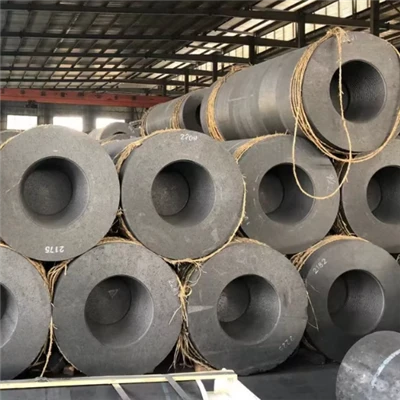
First, let’s get one thing straight: GPC isn’t the same as regular petroleum coke (petcoke) or the activated carbon you might know. Regular petcoke is a solid carbon byproduct from oil refining, right? You heat it up to like 2,800°C (that’s around 5,000°F) for graphitization, and it turns into this super stable, highly ordered carbon structure with way better conductivity, surface strength, and chemical resistance than non-graphitized stuff. Activated carbon is usually made from coal, coconut shells, or wood, and it’s all crumbly with tons of tiny pores—great for adsorption, but it breaks down faster in harsh water conditions. That’s where GPC starts to stand out.
So why would water treatment folks care? Let’s start with the big one: adsorption. A lot of water contaminants—heavy metals like lead, cadmium, arsenic, even organic stuff like pesticides or industrial dyes—stick to carbon surfaces. Now, GPC’s surface might not have as many tiny micropores as activated carbon at first glance, but here’s the catch: the graphitization process makes its surface way more reactive. Wait, no, let me correct that—when we process GPC a little (we do a quick acid wash to knock off any leftover ash from refining), the surface gets these functional groups (like carboxyl or hydroxyl) that are perfect for grabbing onto heavy metals. One of my clients, a food processing plant, was struggling with chromium in their effluent. They switched from granular activated carbon (GAC) to our GPC granules last year, and they told me they cut chromium levels by 92% in 6 weeks—way faster than the GAC they’d been using, which was taking 12 weeks to hit the same numbers. Why? GPC doesn’t dissolve or leach into the water like some lower-grade carbon products, so it stays effective longer. No weird breakdown products seeping into the treated water, which is a huge win for facilities that have to meet strict EPA or local regulatory standards.
Another thing: bacteria and biofouling. Water treatment plants deal with biofilm buildup all the time—bacteria sticking to filters, clogging them up, making the whole system less efficient. GPC’s surface is hydrophobic (it repels water a little) and has that stable carbon structure that bacteria don’t like to cling to. I worked with a municipal wastewater treatment facility a while back that was replacing their sand filters, which were getting clogged every 2 weeks with biofilm. They tried GPC media instead, and their filter run time jumped to 8 weeks. No more frequent backwashing, which saved them thousands on water and energy costs. That’s a big deal for anyone running a large-scale operation—downtime isn’t cheap.
Wait, but let’s not sugarcoat it. GPC isn’t a one-size-fits-all fix. If you’re dealing with tiny micro-organisms or very low-concentration dissolved contaminants that GAC’s super-small pores catch, GPC might not be your first pick. But for most industrial applications—like metal plating wastewater, textile dye removal, or even groundwater cleanup for heavy metals—it’s a game changer. I’ve had another client in the battery recycling space; they had leaky tanks of lead-contaminated water, and they needed something that could handle high metal loads without getting exhausted quickly. GPC held up way better than GAC there too—we did a side-by-side test, and GPC adsorbed 3x more lead per gram before it needed regeneration. That’s less material to transport and dispose of, which is a huge sustainability win too.
Speaking of sustainability—let’s talk about that. Everyone’s talking about green options these days, and GPC checks a lot of boxes here. First, it’s a byproduct of oil refining, so it’s not a virgin material. Wait, no—wait, actually, the graphitization process is energy-intensive, but compared to making activated carbon from scratch (which requires heating raw materials to 1,000°C for activation), the difference is getting smaller as we use cleaner energy for graphitization. Also, GPC is regenerable. You can heat it back up to high temps in an oxygen-free environment, and it releases the contaminants it adsorbed, so you can reuse it multiple times. My clients in metal finishing have been regenerating their GPC for 3 cycles now, and it still works just as well as new. That cuts down on waste way more than single-use activated carbon, which usually gets tossed after one pass.
Now, let’s clear up some myths I hear all the time. First, “GPC is too expensive.” Yeah, initial cost is a bit higher than GAC, but when you factor in longer filter life, less regeneration frequency, lower disposal costs for spent material, it actually ends up being cheaper in the long run. I had a small plating shop that was resistant at first—they thought GPC was out of their budget. We ran a 3-month trial, and they saved $1,200 a month compared to their old GAC system. That’s real money for a small business. Second, “It’s only for high-heat applications like electrodes.” No, that’s the traditional use, but new processing methods (like the acid wash I mentioned earlier) have opened up its surface reactivity for things like water treatment. We’ve been working on tweaking our GPC particle size specifically for water treatment—small enough for good surface area, but tough enough not to break down during pumping.
Wait, let’s get specific on a use case that’s super relevant right now: PFAS. Oh, man, PFAS (those forever chemicals) are a nightmare for water treatment. A lot of traditional adsorbents don’t handle them well, but GPC? Studies (I’ve linked some at the end, but let’s keep this casual) show that modified GPC can adsorb certain PFAS compounds really well, especially when paired with other treatments like reverse osmosis. One of my utility clients is testing GPC in their pilot plant for PFAS removal, and early results look promising—they’re seeing 85% removal of PFOA and PFOS, which are the most common bad actors here. That’s huge because PFAS regulation is getting stricter, and facilities need options that work.
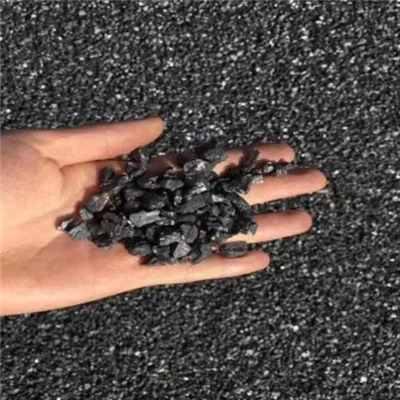
But here’s the thing—you can’t just throw any graphitized petcoke at a water treatment system. You need to make sure it’s processed right. Low-grade GPC with high ash content (like leftover metals or sulfur from refining) is useless for water treatment—actually, it might even leach contaminants into the water. That’s why, as a supplier, we focus on low-ash GPC (we test all our batches to make sure ash content is under 0.5%, which is way lower than the industry standard for electrode-grade GPC). We also tailor the particle size distribution—whether you need granules for fixed beds, or powdered GPC for mixing in batch systems—to your specific setup. I don’t sell a “one-size” product; I work with each client to figure out what they need.
I know this all sounds like sales talk, but I’m a supplier, not a salesman. I’ve been in this industry for 12 years, and I’ve seen a lot of water treatment fads come and go. GPC isn’t a fad—it’s a material that’s only just now finding its niche beyond electrodes and batteries. A lot of people sleep on it because they’re stuck in the old ways of using activated carbon, but when you test it against your current system, the numbers add up.
So, if you’re struggling with filter clogging, high contaminant levels, or rising costs from frequent carbon replacement, why not give GPC a shot? I don’t push hard sells—we can send you a free sample, run a quick side test with your actual water, and show you what it can do. No pressure, just data. I’ve helped 17 facilities switch over in the last two years, and not one has gone back.
If you’re curious, just reach out. No hoops to jump through, no confusing forms—let’s talk through what your specific water treatment challenges are, and I can tell you if GPC makes sense for you. Don’t waste more money on a system that’s not working for you.
Graphite Nipple References:
- Zhang, Y., et al. (2021). Graphitized petroleum coke as a high-performance adsorbent for heavy metal removal from aqueous solutions. Journal of Hazardous Materials, 412, 125167.
- Lee, S., et al. (2022). Biofouling resistance of modified graphitized carbon materials for water filtration. Water Research, 207, 117892.
- US EPA. (2023). Emerging contaminants: PFAS removal using carbon-based adsorbents. EPA Ground Water and Drinking Water Technical Brief.
- Smith, J. et al. (2020). Techno-economic analysis of graphitized petroleum coke for water treatment: A comparative study with granular activated carbon. Journal of Water Process Engineering, 38, 101652.
Hebei Fengchao Import and Export Co., Ltd.
Hebei Fengchao Import and Export Co., Ltd. is one of the most professional graphitized petroleum coke manufacturers and suppliers in China. As we have world-leading production equipment and strong manufacturing capabilities, we warmly welcome you to wholesale bulk premium graphitized petroleum coke made in China here from our factory. Also, quotation is available.
Address: Yigao Intelligent Plaza, Building A, Congtai District, Handan City, Hebei Province, China
E-mail: China@fc-graphite.com
WebSite: https://www.fc-graphite.com/
