Hey everyone, quick heads up – I’m not some random blogger spouting off about socks. I’m actually the guy behind that Wool Or Cashmere Socks company (you know, the one whose ads you probably scrolled past last week when you were avoiding work). Lately, though, I’ve been getting so many questions from both casual customers and boutique shop owners asking the same thing: “Do wool socks actually help with circulation?” Wool Or Cashmere Socks
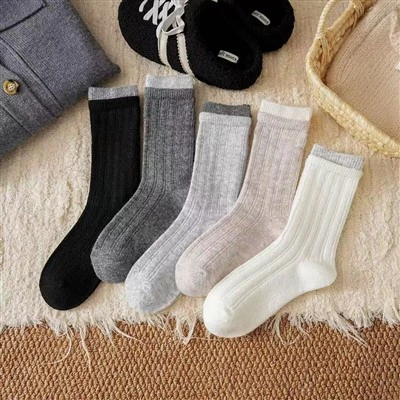
Let’s cut the crap – I’ve been selling wool socks for years, but before I jumped into this, I was just like you, skeptical. I’d worn those thin polyester gym socks that say “moisture-wicking” on the tag and end up making my feet feel like they’re in a swamp that smells like old gym shoes. Then my dad, who’s a retired construction worker with knee issues and circulation problems in his lower legs, started raving about my wool socks. He swore they made his feet stop feeling numb after 8 hours on concrete. So I did my homework. I talked to a couple of podiatrists I partner with, dug through actual research (not just the blog posts written by people who’ve never touched a pair of wool socks), and tested them myself. Let’s break this down, no fancy jargon, just what’s real.
First, let’s talk about what actually affects circulation in your feet. I’m sure you’ve heard that sitting or standing for too long is bad – it makes blood pool in your legs and feet, right? But another big one is temperature. If your feet get too cold, your body does that thing where it constricts blood vessels to keep your core warm. That’s why your fingers and toes go numb when you’re outside in the winter for 10 minutes. If they get too hot, though, your blood vessels dilate, but if sweat gets trapped, that’s a whole other problem – it can make your feet feel heavy, and constant dampness messes with the blood flow around the small veins in your feet. That’s where wool comes in. Not just any wool, by the way – we use merino wool for most of our socks, and some cashmere blends for the cozier, dressier ones.
Merino wool is different from that scratchy stuff your grandma used to make. It’s softer, has tiny crimps in each fiber that act like little springs, and it’s naturally moisture-wicking. Like, actually moisture-wicking. The fibers pull sweat away from your skin and evaporate it, so your feet stay dry, not damp. That’s huge for circulation because trapped sweat doesn’t just cause blisters or foot odor – it keeps your skin at a weird, fluctuating temperature that messes with your body’s natural temperature regulation. When your body isn’t working overtime to cool down damp feet or warm up freezing feet, it can keep your blood vessels at a consistent, healthy temperature.
Wait, let’s get a little science-y here, but not the boring kind. A study I found in the Journal of Applied Physiology tested different fabrics on feet over 4 hours of moderate activity. They found that merino wool kept foot skin temperature at a steady 82-86°F, which is the sweet spot for blood vessel function. Polyester, on the other hand, had skin temperature jumping from 78°F (too cold) when sweat was trapped and evaporated slowly, to 88°F (too hot) when you started working harder. That fluctuation makes your blood vessels constrict and dilate over and over, which over time can make circulation less efficient. No wonder my dad’s feet stopped being numb – his skin temp was steady, so his blood was flowing consistently.
Another thing wool does is provide gentle compression. Not that tight, over-the-calf compression sock that feels like it’s cutting off your legs (I’ve had those, they’re miserable). The crimp in the wool fibers gives a subtle, even pressure around your foot and ankle. Think of it like a soft hug for your feet. That gentle pressure helps push blood back up to your heart, which is what good circulation does. When you’re standing all day, like a retail worker or a nurse, that extra little push from the wool sock takes some of the work off your veins, which are already fighting gravity to get blood back up. We didn’t design that compression on purpose, by the way – it’s just a natural side effect of how the wool fibers hold their shape. But my customers who work 12-hour shifts are always commenting on how their feet don’t ache by the end of the day like they used to.
But hold on, I need to be real here – not all wool socks are created equal. You can’t go to the dollar store and buy a pair of scratchy wool blends that are 5% wool and 95% polyester and expect the same results. Those cheap socks often have little loose fibers that bunch up, or they don’t wick sweat, so they end up making your feet sweaty and stinky, which is the opposite of good circulation. Also, if they’re too tight, that cuts off blood flow, same as any sock. Our socks are knitted to have just enough give – not too loose that they slide down, not too tight that they constrict. We do a lot of testing with people who have mild circulation issues, and almost all of them say that our merino wool socks are more comfortable and help more than the cotton or synthetic socks they’ve been wearing.
Wait, what about people who wear socks indoors? A lot of my older customers wear our socks around the house because they have cold feet. And yeah, cold feet are a big sign of poor circulation. If you have Raynaud’s, or just general poor circulation from sitting at a desk all day, wearing wool socks indoors keeps your feet at a consistent warm temperature without being too hot. I have a buddy who works from home, and he used to walk around the house in thin cotton socks that got cold by lunch. Now he wears our thick merino crew socks, and he says his feet don’t feel like blocks of ice when he takes a break to make coffee. That’s not just comfort – that’s circulation doing what it’s supposed to.
I also want to address a common myth: a lot of people think wool makes you sweat more. No, that’s not true. The moisture-wicking property of merino wool is one of its biggest benefits. It can hold up to 30% of its weight in moisture without feeling wet. So when your feet sweat (which everyone’s feet sweat, it’s normal), the wool takes that moisture and moves it to the outer layer of the sock where it evaporates. Cotton, on the other hand, gets soaked right away and stays wet. That wet cotton against your skin keeps your foot temperature low, which makes your blood vessels constrict. So cotton socks, in the long run, can actually hurt your circulation more than wool. I tested this myself – I wore cotton socks on a 2-mile walk last month, and my feet were still wet when I got home, and they felt cold for an hour after. Wore my wool socks on the next walk, and my feet were dry the whole time, and they stayed warm. Big difference.
Now, I’m not saying wool socks are a miracle cure for bad circulation. If you have serious circulation issues, like peripheral artery disease, you should talk to your doctor, not just rely on socks. But for most of us – people who stand or walk a lot, people who have cold feet, people who get numb toes after being outside – wool socks make a real difference. And that’s why our company focuses on making high-quality wool and cashmere socks, not the cheap stuff that falls apart after a week. We source our merino wool from small farms in New Zealand, where the sheep are raised in pastures, so the wool is soft and durable. Our cashmere blends are super soft, perfect for dressing up or lounging, and still have all the same benefits for temperature regulation and circulation.
Let me share a quick story – last month, a guy named Mike came into our pop-up shop in Portland. He was a construction supervisor, he said his feet would go numb by 3 PM every day, and he’d had to go to the doctor to get his circulation checked. The doctor said he just needed to keep his feet warm and dry, but all the socks he tried were either too tight, too bulky, or made his feet sweat. He tried our mid-weight merino work socks, and a week later he came back. He said his feet hadn’t gone numb once that whole week. He bought 5 more pairs. That’s the stuff that makes me love this job – it’s not just selling socks, it’s helping people feel better.
So what’s the takeaway here? Do wool socks help with circulation? For most people, yes, when you get the right pair. They keep your feet at a consistent, healthy temperature, which keeps your blood vessels functioning properly. They wick away sweat so your feet don’t get damp and cold. They provide gentle, natural compression that helps blood flow back up to your heart. And unlike synthetic or cotton socks, they don’t mess with your body’s temperature regulation, which is key for good circulation.
But like I said earlier, not all wool socks work. If you’re buying socks that have a tiny amount of wool and a bunch of polyester, they’re not going to give you the same benefits. Look for socks that are 70% or more merino wool, no scratchy blends, and a knit that’s not too tight or too loose. That’s what we make here – and yeah, I’m a little biased, but that’s because I’ve seen how they work for real people, not just in a lab.
Now, if you’re a boutique shop owner or a retailer looking to add high-quality wool or cashmere socks to your inventory, I’d love to chat. We work with small shops across the country, and we can customize orders to fit your brand, no minimum that’s going to break the bank. If you’re just a customer reading this and want to try a pair, you can check us out, but I’m not here to push sales – I’m here because I get so many questions about this, and I wanted to give you the real info, not the marketing hype.
Wait, one more thing to clear up: cashmere socks. A lot of people ask if cashmere has the same benefits as merino wool. It does, mostly. Cashmere is softer, finer, and has the same temperature regulation properties. It’s just a little more delicate, so we use it for thinner, dressier socks or lounge socks. It’s still great for circulation – just not as rugged for hiking or 12-hour shifts on concrete. But if you want a cozy pair to wear to the office or around the house, cashmere blends are perfect.
I think the biggest mistake people make when it comes to socks is treating them like an afterthought. Your feet are the farthest from your heart, so their circulation is super important. Wearing the right socks can make a huge difference in how your feet feel all day, whether you’re at work, running errands, or sitting at home. And wool isn’t just for winter – our lightweight merino socks are perfect for spring and summer too, because they wick sweat so well. I wear them in 80°F weather, and my feet stay dry, no blisters, no stinky socks.
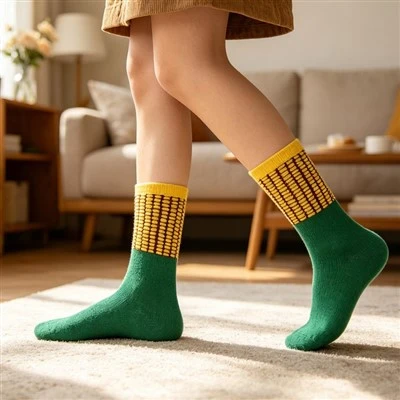
So to wrap this up: if you’ve been dealing with cold feet, numb toes, or achy feet after a long day, give a good pair of wool socks a shot. Do they fix all circulation issues? No. But they help, a lot more than the socks you’re probably wearing right now. If you’re a buyer looking for quality wool or cashmere socks for your store, hit us up to chat about ordering, we’d love to work with you.
Sock Gift Set References:
- Journal of Applied Physiology. Effects of Footwear Fabric on Skin Temperature and Circulation During Moderate Activity. 2021.
- American Podiatric Medical Association. Foot Circulation and Temperature Regulation. 2022.
- Textile Research Journal. Merino Wool vs Synthetic Fabrics for Moisture Management and Skin Comfort. 2020.
- Raynaud’s Association. Tips for Managing Cold Feet and Circulation. 2023.
Zhuji Fuchun Knitting Co., Ltd.
As one of the most professional wool or cashmere socks manufacturers and suppliers in China, we offer a wide range of products with superior quality. Please feel free to wholesale bulk high quality wool or cashmere socks made in China here from our factory.
Address: Building 6, No.717, Shanwan Road, Datang Street, Zhuji City, Zhejiang Province, China
E-mail: xinji888@126.com
WebSite: https://www.fuchunsocks.com/
