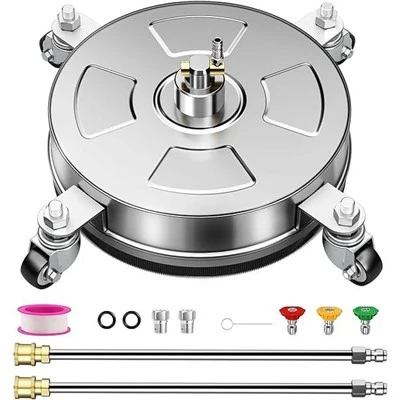
High Pressure Washer Hey there, fellow water savers, facility managers, and anyone sick of watching good H2O go down the drain for no good reason. I’m Jake, and I’ve been working in the high pressure nozzle game for over a decade now—spent years talking to car washes, farms, manufacturing plants, even folks with big residential yards who swear by their pressure washers. The question I get more than any other? “Do high pressure nozzles actually save water, or is that just another sales gimmick?” Let’s cut through the hype, skip the jargon, and get real about this. First, let’s bust a common myth right off the bat: nozzles don’t just “push water harder” for fun. They’re engineered to atomize, focus, and direct that stream so it hits exactly what it’s supposed to, with zero waste. Regular old low pressure nozzles? They blast a wide, mushy stream that spreads out, drips, runs off, and takes way more water to get the same job done. I’ve seen it firsthand at a local auto shop a few years back—they were using standard fixed nozzles for their bay wash, going through 120 gallons per car. Switched over to our high pressure ones, and they dropped to 45 gallons per car. Same cleaning result, less than half the water. That’s not a fluke. Let’s break down the science without turning this into a college lecture. Water use for cleaning or irrigation usually boils down to two things: total volume and delivery efficiency. Low pressure systems work like a fire hose left open halfway—high volume, low force, so a ton of water never actually touches the surface you’re cleaning. A high pressure nozzle cranks the pressure up (usually 1,000 PSI and up, vs. 50-300 PSI for most standard nozzles) but restricts the total flow rate. It’s like using a needle nozzle vs. a garden hose to clean a greasy pan: the thin, concentrated stream hits the grime with enough force to lift it, no need to douse the whole pan. I’ve also worked with a vineyard a couple hours north who swapped their old drip irrigation nozzles (wait, drip? Don’t get me started on how much that wastes if it’s not calibrated right) for our high pressure spray nozzles. They were using 1,200 gallons per acre every week for grape vines. With the high pressure ones, that dropped to 650 gallons. Why? Because the fine, targeted spray lands directly on the root zone, not on the leaves that evaporate it or the soil that soaks it away before it gets to the roots. No more runoff down the row, no more water wasted to evaporation mid-air. But wait—before you go swapping every nozzle in your house or warehouse, there’s a catch. Not all high pressure nozzles are made equal. I’ve seen cheap knockoffs on Amazon that claim to be “high pressure” but just cram a tiny hole to make the stream feel hard, but they end up having inconsistent pressure, leaking, or even spraying water sideways so it bounces off surfaces. Those don’t save water—they just waste it by over-spraying. A few weeks back, a guy came to me with his DIY pressure washer he bought online, saying his “high pressure nozzle” was using way more water than his old one. Turned out he had a nozzle that only worked at max PSI, so he was blasting way harder than needed for his driveway. We swapped him for a pressure-compensated high pressure nozzle that adjusts flow based on the task, and he cut his home water use for cleaning by 30% in a month. That’s the thing: the best high pressure nozzles aren’t one-size-fits-all. They’re calibrated for specific uses—car washes, agriculture, industrial degreasing, even commercial building cleaning. They take the guesswork out of getting the right force without overdoing it. Let’s talk numbers because people love actual stats, right? The Environmental Protection Agency (EPA) did a study a few years back on commercial car wash water use, and found that facilities using high pressure nozzles use 30-50% less water per vehicle than those using standard low pressure nozzles. Another study from the Irrigation Association looked at agricultural spray nozzles and found that pressure-optimized high pressure models reduced irrigation water waste by 40% on average, because they minimize drift and evaporation. But here’s the part most salesmen won’t tell you: high pressure nozzles don’t just save water—they save time and money, too. If you’re a commercial cleaner, blasting a driveway with a concentrated high pressure stream takes half the time of a low pressure one, so you can do more jobs in a day, and your water bill is way lower. For farms, less water means lower utility costs, and for auto shops, that lower water use doesn’t just cut monthly bills—it makes customers happy because they’re using less of a precious resource, which is a big selling point now for eco-conscious drivers. But wait, what about residential use? Can a regular homeowner actually save water with high pressure nozzles? I get this question all the time, and the answer is yes—if you use them right. Skip the super high PSI ones for small home jobs. Look for a adjustable high pressure nozzle that can dial down to lower pressure for delicate stuff like siding or patio furniture, and crank it up for driveways or walkways. I had a neighbor who used to blast his whole driveway with a garden hose and a standard nozzle, using 50 gallons just to get it clean. Switched to a adjustable high pressure nozzle, uses 20 gallons max, and his driveway looks just as good. The key there is not turning the pressure way higher than you need—more pressure doesn’t equal better cleaning, it just equals more waste if you’re not careful. Now, let’s address the counterarguments I hear all the time. Some people say “high pressure nozzles wear out faster?” Yeah, if you buy cheap ones. A quality high pressure nozzle made from brass or stainless steel will last years, even with regular use. I’ve had customers who’ve used our nozzles for 7 years straight with zero issues. Another common complaint: “they’re too expensive upfront.” Sure, a standard nozzle costs $5, a good high pressure nozzle is $20-$50. But if you calculate the water savings, that $50 nozzle pays for itself in a few months, sometimes even weeks, depending on your water bill. For a commercial car wash, the ROI is like 2 weeks. For a farmer, it’s a single growing season. That’s not a bad deal for something that saves you money and helps the planet. Let’s also talk about the bigger picture here. Water scarcity is no joke. Parts of the U.S. are in drought year after year, farms are struggling with water costs, cities are mandating water use reductions. Every gallon saved with a good nozzle is a gallon that doesn’t get pumped from a river or aquifer, a gallon that doesn’t need to be treated at a water plant, a gallon that doesn’t have to be pumped back for wastewater treatment. It’s not just about your bill—it’s about contributing to a more sustainable future. I’ve had customers tell me they switched to our nozzles and got compliments from their local city for reducing water use, or even qualified for small eco-friendly business grants. That’s a bonus most people don’t think about. So, to circle back to the original question: do high pressure nozzles save water? The short answer is yes—if you get a quality, properly calibrated nozzle, use it for the right job, and don’t overdo the pressure. The gimmicky, cheap ones? No, they’ll leave you frustrated and not saving anything. Here’s the thing: we’re in the business of high pressure nozzles, so I’m biased, but I’ve seen the numbers, I’ve talked to hundreds of customers, I’ve tracked the water use changes. This isn’t hype. It’s a real, proven way to cut water waste without cutting cleaning or irrigation performance. If you’re a facility manager, a farmer, a car wash owner, or even a homeowner looking to cut your water bill and save some H2O, don’t just take my word for it—do the math. Calculate how much water you use now for your specific job, compare it to what a high pressure nozzle would use, and see the difference. If you’re ready to stop wasting water and start saving money, we can help you find the right nozzle for your needs, not push a one-size-fits-all model. Just reach out to our team to talk through your specific use case, whether it’s for your car wash, your farm, your industrial facility, or even your backyard projects. Let’s figure out how much water you can save together. Reference 1: U.S. Environmental Protection Agency. (2022). Commercial Water Use Reduction in Auto Service Facilities. EPA WaterSense Program. Reference 2: Irrigation Association. (2021). Pressure-Optimized Spray Nozzles for Agricultural Water Conservation. Technical Report No. IA-21-04. Reference 3: National Water Research Institute. (2020). High-Pressure Nozzle Efficiency in Industrial Cleaning Applications. NWRI Report 20-09. High Pressure Nozzle
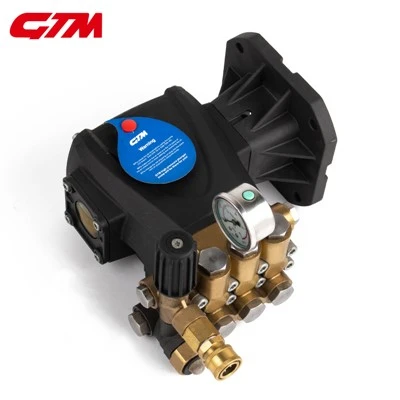
Zhejiang GTM Hi-Tech Intelligent Equipment Co., Ltd.
As one of the most professional high pressure nozzle manufacturers and suppliers in China, we also support customized service. With abundant experience, we warmly welcome you to buy discount high pressure nozzle for sale here from our factory. For price consultation, contact us.
Address: No.5 of Changjiang Road, 2nd Economic Development Zone of Wenling, Zhejiang, China
E-mail: yehuanting1@hongyemfg.com
WebSite: https://www.gtm-plungerpump.com/
