If you’ve ever worked in the trucking or trailer repair game, you know how critical manual slack adjusters are for keeping your brakes working right. As a supplier that’s dealt with these parts day in and day out, I’ve seen my fair share of issues that pop up with trailer series manual slack adjusters—stuff that can throw a wrench in your schedule, cost you cash, and even put your team’s safety at risk. Let’s break down the most common problems, straight from the perspective of someone who’s actually on the ground with these parts, not just reading specs on a screen. Trailer Series Manual Slack Adjuster
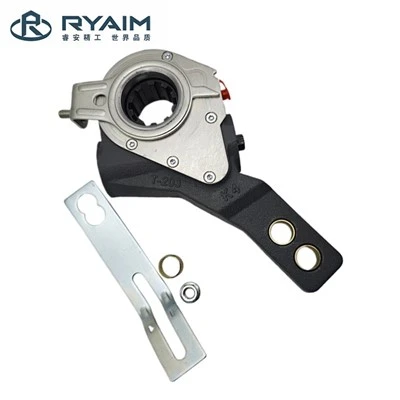
First off, let’s keep it simple: manual slack adjusters are those parts that adjust the gap between your brake shoes and the brake drum as the pads wear down. If they’re not working right, your brakes either don’t have enough pressure (so you can’t stop when you need to) or too much pressure (wearing out parts way faster than they should). Here’s the number one headache I see regularly: incorrect manual adjustment. A lot of drivers or techs skip the proper adjustment process because it’s tedious, or they think they “eyeball it” and get it close enough. But trailer series adjusters aren’t one-size-fits-all here—each trailer’s load and brake size needs a specific gap. When someone just cranks the adjuster until it feels tight and then backs it off a few clicks, they’re usually off by a mile. I’ve seen trailers roll into our shop where the slack was way too loose, so the brake pedal went all the way to the floor before engaging, or way too tight, so the brake dragged, overheating the drum and smoking up the wheels. That’s a recipe for overheated brakes, which can lead to brake fade or even brake failure on long hauls. And honestly? A lot of new techs don’t get trained on the correct adjustment procedure anymore—they rely on old habits, which only leads to mistakes.
Next up, corrosion and rust buildup. These adjusters live outside, exposed to all kinds of weather: rain, snow, salt from icy roads, mud, dust. Even the best steel parts will rust when they’re constantly getting splashed with road grime and not lubed regularly. The adjustment mechanism—those gears and notches you turn when adjusting—gets packed with rust and gunk, so it seizes up. Once that happens, you can’t adjust it manually at all, and even automatic adjusters (wait, no, these are manual, so they can’t compensate for wear on their own) so you’re stuck with a stuck gap. I had a customer last month bring in a 53-foot dry van trailer that had been sitting in a yard for six months after a delivery, and the adjuster on the drive axle was so rusted that the gear wouldn’t turn at all. They had to replace the whole adjuster just to get the brakes working again, which cost them a few hundred bucks and delayed their next load. Salt is the worst here, especially in places like the Northeast or Midwest where they dump salt on roads all winter. The metal parts don’t just rust—they pit, so the adjustment lever gets stuck in place, making it impossible to fine-tune the gap when you do a pre-trip check.
Another big one is worn internal components. The gears, pawls, and springs inside the adjuster take a beating every time you adjust it, every time the brakes apply. Over time, those parts wear down—pawls slip off the gears, springs lose their tension, and the adjustment becomes inconsistent. Let’s say you adjust the adjuster today, and it works fine. But a week later, after a few brake applications, the worn parts let the gap open up again, so you’re right back to too much slack. I see this a lot with older trailers that have high mileage—10 years or more on the road. The manual adjusters just don’t hold their adjustment because the internals are shot. A related issue is stripped splines on the mounting shaft. The adjuster bolts to the brake camshaft, and if the splines (the grooved parts that connect the two) are stripped, the adjuster can spin freely without moving the camshaft at all. That’s a huge problem because you can adjust the adjuster all day, but it’s not actually doing anything to the brakes. Last quarter, a small fleet owner brought three trailers in because their brakes were locking up randomly, and two of them had stripped splines—turns out the previous tech had over-tightened the adjuster when adjusting, which wore down the splines fast.
Don’t forget about improper lubrication—or too much lubrication. Some people think these parts need to be oiled every week, others don’t lube them at all. Both are wrong. If you don’t lube the adjuster’s adjustment mechanism, it seizes up from rust and gunk, like I mentioned earlier. But if you use the wrong kind of lube, or way too much, it attracts all kinds of dirt and road dust, creating a sludge that jams the adjuster. I’ve seen adjusters where the gears were caked in thick grease mixed with mud, so they couldn’t turn at all. The right lube is a high-temperature, heavy-duty gear lubricant, applied sparingly to the adjustment gear—not doused all over the whole adjuster. Too much grease also gets on the brake shoes or drum, which contaminates the friction material and makes the brakes less effective. That’s another safety hazard right there.
Then there’s misalignment during installation. When you install a new adjuster, if it’s not lined up correctly with the brake camshaft or the mounting bracket, it will wear unevenly and adjust poorly. For example, if the splines on the adjuster don’t line up perfectly with the camshaft splines, the adjuster will bind every time you try to turn it, so you can’t get the gap right. I’ve had to send replacement adjusters to a customer because the first one they installed was misaligned, and they thought the part was defective when it was just their install job. Misalignment also causes extra stress on the adjuster’s housing, leading to cracks or broken parts over time. A lot of techs rush through installation, especially if they’re working on a side of the trailer that’s hard to reach, and they don’t take the time to line everything up properly. That’s a quick way to create more problems down the line.
Wait, also—damage from accidents or rough handling. If a trailer gets into a fender bender, or hits a pothole hard enough, the adjuster can get knocked out of place, bent, or even cracked. A bent adjuster arm won’t move the camshaft correctly, so the gap is off, and a cracked housing can let dirt and water inside, speeding up corrosion. I had a customer last spring whose trailer got rear-ended at a stop sign, and the left rear adjuster was bent so bad it looked like a pretzel. They thought just bending it back would work, but it didn’t—they had to replace it, because the bent arm caused the brakes to drag constantly, burning up the brake shoes in a week. Even minor bumps, like hitting a curb while backing into a loading dock, can nudge the adjuster out of alignment, which most people don’t notice until they do a brake check and see the slack is way off.
Let’s talk about the impact of these problems, because it’s not just a minor inconvenience. Too much slack means longer stopping distances, which is a huge risk on the highway. The FMCSA (Federal Motor Carrier Safety Administration) has rules about brake adjustment—they require that manual slack adjusters be adjusted so that the pushrod travel is within a specific range (usually between 1 and 2 inches, depending on the brake size). If it’s over that, you can get cited in a DOT inspection, which means fines and downtime for your trailer. Too little slack means brake drag, which reduces fuel efficiency (you’re wasting power moving the brakes that are stuck on) and wears out brake parts way faster—brake shoes, drums, even tires. I’ve seen fleets go through 20% more brake shoes than normal because their adjusters weren’t adjusted right, which adds up to thousands of dollars a year in extra costs.
Now, as a supplier, here’s what we tell our customers to avoid these issues. First, make sure your techs are trained on the correct adjustment procedure—no eyeballing, use a slack adjuster wrench, measure the pushrod travel, get it within the spec for your brake size. Second, do regular inspections—every pre-trip check, every 10,000 miles, check the adjuster for rust, wear, and corrosion. Lube it with the right lube, sparingly, to keep the gears moving without attracting dirt. Third, when you replace an adjuster, make sure it’s the right part for your trailer’s axle size and brake model—don’t try to use a universal adjuster that doesn’t fit. Fourth, if you do have a problem (rust, worn parts, bent adjuster), don’t wait to fix it—small issues turn into big, expensive ones fast.
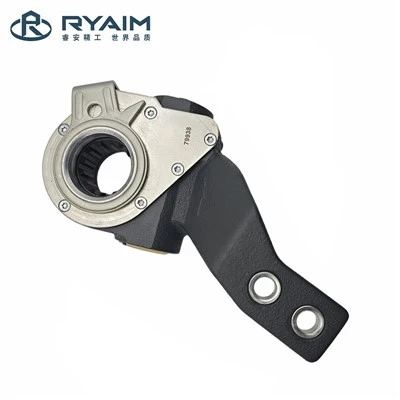
Look, I get it—managing a fleet or doing trailer repairs is a busy job, and these little parts are easy to overlook. But manual slack adjusters are the unsung heroes of your trailer’s braking system. They keep you safe, keep your parts lasting longer, and keep your DOT inspections passing. If you’re dealing with any of these problems—consistent adjustment issues, rusted adjusters, worn internals, whatever—we’ve got the right trailer series manual slack adjusters for your needs, and we can help with troubleshooting too. Don’t let bad adjusters put your loads, your team, or your profits at risk. Reach out to us to talk about replacing your old adjusters, getting trained on best practices, or sourcing high-quality parts that last.
Europe Truck Series Automatic Slack Adjuster References:
- Federal Motor Carrier Safety Administration. (2022). Commercial Vehicle Brake System Inspection and Maintenance Guidelines. U.S. Department of Transportation.
- Trucking Technology Magazine. (2021). Common Brake Adjuster Failures and How to Prevent Them. Penton Media.
- North American Trailer Dealers Association. (2023). Trailer Brake Component Maintenance Best Practices. NADA.
Zhejiang Ryaim Auto Parts
As one of the most professional trailer series manual slack adjuster manufacturers and suppliers in China, we’re featured by quality products and good service. Please feel free to wholesale custom made trailer series manual slack adjuster from our factory. Contact us for more details.
Address: No.78, Yexiao Road, Yaojiang Town, Zhuji City, Zhejiang Province
E-mail: bd@zjryaim.com
WebSite: https://www.ryaimchina.com/
