Hey, let’s cut to the chase—if you’re in the market for a backup generator for your home, you’ve probably stared at two main options: gas and diesel. I run a small, local household diesel generator supplier, so I’m around these machines every single day, fielding questions from homeowners just like you who’re stressed about picking the right one. A lot of folks ask me straight up: “Are diesel generators actually safer than gas for home use?” It’s not a dumb question—safety’s the big concern here, right? No one wants a machine in their garage or backyard that’s gonna put their family at risk. Household Diesel Generator

First off, let’s get one common myth out of the way right now: a lot of people think “diesel = dirty, smoky, dangerous” and “gas = clean, easy, safe.” Nah, that’s outdated—like, 10-year-old TikTok outdated. Modern diesel generators? They’re way different than the noisy, smelly models your dad had on his farm. And gas generators? They’ve got their own set of dangers you might not even think about until something goes wrong.
Let’s start with fuel-related safety, because that’s where most generator accidents happen. Gas generators run on gasoline, which is volatile—super volatile. You ever spill a little gas in your garage and catch a whiff? That smell is tiny vapor particles that can ignite from a spark, a static shock, even a light bulb that turns on. If you leave a gas generator running in the garage (I see this way too often, even though every manual says don’t do it), that vapor builds up faster than you can smell it—then boom. Carbon monoxide is a big one here, but fuel leaks? Way more common with gas. Gas also has a short shelf life—like, if you don’t use it for 3-6 months, it goes bad. It gums up the carburetor, leaves gunk in the lines, and if you have to use it during a power outage after storing it all summer, it could sputter, backfire, or leak.
Diesel fuel? It’s way less volatile. It doesn’t ignite easily from a spark or static—you actually need a diesel engine’s compression ignition (that’s the whole “squish the fuel so hard it catches fire” thing) to get it going. If you spill diesel, it doesn’t evaporate into a cloud of explosive fumes the way gas does. That’s a huge win for home safety. If you’re storing fuel for emergencies, diesel’s stable too—can last 12-24 months if you treat it right, no need for fancy additives most of the time. No more dumping stale gas every spring, which saves you money and keeps that old gas out of the landfill. I’ve had a customer last year who stored diesel for 18 months during a drought, and it fired right up when their well pump needed power after a storm—they said their old gas generator always died on the first use.
Now, carbon monoxide (CO) — let’s talk about that, because CO is silent, odorless, and kills. The CDC says hundreds of people die every year from generator-related CO poisoning, most from gas generators. Why? Gas engines run rich sometimes, especially older, smaller models, and they produce way more CO than diesel generators. Modern diesel engines have better emission controls, so they pump out way less CO. Also, here’s a practical thing: diesel generators can actually be placed a little closer to your home’s ventilation if you have to, because they emit less CO. Wait, no—wait, I still always tell customers to put generators outside, at least 20 feet from windows, doors, vents, no exceptions. But if you mess up the distance a little with diesel, the risk of CO buildup is way lower. With gas? If a vent is right where the wind blows exhaust, you’re asking for trouble. I’ve installed gas generators for people who tried to save space and ended up with CO alarms going off in their basement at 2 a.m.—way more than with diesel installs.
Next up, fire risk. I mentioned gas is explosive, but let’s get specific. Gas generators are under way more pressure? No, wait—gasoline’s flash point is around -40°F. That means even in freezing weather, it can produce fumes that ignite. Diesel’s flash point is around 125°F. So unless your garage is on fire, diesel fuel won’t catch fire just from being near a hot engine. I’ve seen a gas generator that backfired and caught a cardboard box on fire next to it—fuel vapor from a loose cap was the culprit. A diesel generator would need actual fuel spray (like a ruptured fuel line) and a really hot surface to ignite, which is way less likely. Also, diesel fuel is heavier than air—so if it spills, it pools on the ground, not spreads into a cloud like gas. That makes small spills way easier to clean up without a hazard.
Wait, what about the machines themselves, not just fuel? Gas generators have way more moving parts that can wear out fast, right? The carburetors, spark plugs, fuel filters—all those small parts that can fail. If a gas generator’s carburetor sticks, it can leak fuel into the engine or the air intake. Diesel generators have simpler fuel systems (no spark plugs, thank god) and are built to run longer, harder. I sell residential diesel models that are designed for 500+ hours of run time a year—most gas generators max out at 200 hours before they start having issues. If a generator is gonna be running for multiple days during an outage, which one’s less likely to malfunction and cause a hazard? The diesel, hands down.
But wait, I don’t wanna sugarcoat it—diesel generators aren’t perfect, and there are safety rules you still gotta follow. The biggest one? Don’t install a generator inside your home, garage, crawl space, or shed—even if it’s diesel. CO can still build up if ventilation is bad, even with less output. Second, always store fuel in approved, labeled containers—no gas cans that are dented, no mixing diesel with random stuff. Third, get a licensed electrician to wire your generator to your home’s electrical panel, not just plug extension cords into outlets. Backfeeding power into the grid is super dangerous for utility workers, and a bad wiring job can start a fire, no matter what fuel your generator uses.
A lot of folks also worry about diesel generators being louder. Yeah, they’re a little louder than small gas models—but modern residential diesels are way quieter than the old clunkers. I sell models that are under 70 decibels—about as loud as a vacuum cleaner. That’s way quieter than most gas generators, which can hit 85 decibels (like a lawnmower) when running. So you don’t have to deal with annoying noise, and that means you’re less likely to leave a window open to cut down on sound, which reduces CO risk. Win-win.
Let’s talk real customer stories, because that’s what matters. Last winter, there was a blizzard in my area—power was out for 3 days. One of my regular customers had a 12kW diesel generator I installed for him a year prior. His neighbor had a 10kW gas generator. The gas one died after 12 hours—stale gas in the tank, gummed up the carb. The neighbor tried to add fresh gas, spilled it in the garage, and had to call the fire department because the fumes were so strong. My customer’s diesel ran straight through the 3 days, no issues, no spills, no CO alarms going off. That’s the kind of thing you can’t get from a spec sheet.
Another thing: maintenance costs, but also safety tied to maintenance. Gas generators need way more frequent upkeep—changing spark plugs every 100 hours, draining the fuel every 6 months, cleaning the carburetor every year. If you skip that, you’re more likely to have a fire or CO issue. Diesel generators only need oil changes every 200-300 hours, fuel filter changes every 2 years, and you don’t have to mess with spark plugs at all. So if you’re someone who forgets to do maintenance, diesel’s safer because you’re less likely to have a failed part cause a hazard.
Wait, what about for small homes vs. larger ones? I have customers with tiny 500 sq ft cottages that get a 7kW diesel, and families with 4,000 sq ft homes that go up to 20kW. For any size home, the safety profile of diesel still holds. That volatile fuel thing? It doesn’t matter if you have a 5kW or a 20kW gas generator—gas is still gas, still explosive. Diesel’s still less volatile, still lower CO output.
I know some people will say, “But diesel is more expensive upfront.” Yeah, that’s true—usually 20-30% more than a comparable gas generator. But when you factor in longer lifespan, lower maintenance costs, fuel stability, and better safety? It’s a no-brainer for most homeowners. Especially if you live in an area that gets frequent outages—hurricanes, blizzards, summer storms. The peace of mind that comes with a safer backup generator is worth the extra cost, not to mention the fact that you’re less likely to have an accident in your home.
Let’s wrap this up, because I know you’re probably weighing your options. The short answer is: yes, diesel generators are safer than gas generators for home use—when you’re talking about the core risks that matter most for your family. Less volatile fuel means fewer fire hazards, lower CO output means less risk of poisoning, simpler design means fewer parts that can fail and cause issues, and more stable fuel means you’re not dealing with stale gas when you need it most. But that doesn’t mean you can be careless. Always follow the manufacturer’s rules, get professional installation, invest in CO alarms, and never run a generator in enclosed spaces.
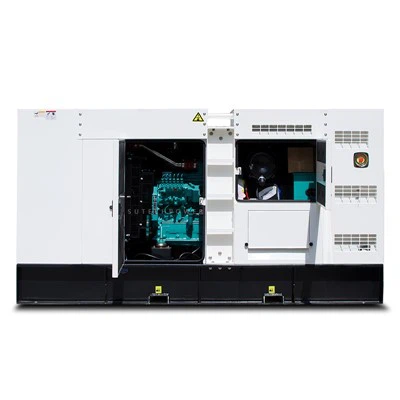
If you’re ready to learn more about which diesel generator is right for your home, or just want to ask questions about safety specs, feel free to reach out to my team for a no-pressure chat. We’ll walk you through models, safety features, and even help you figure out fuel storage and installation tips. Don’t wait for the next outage to realize your backup generator might not be as safe as you thought—let’s talk about making your home more secure, one generator at a time.
High Voltage Diesel Generator Set References
Centers for Disease Control and Prevention (CDC). Generator-Related Carbon Monoxide Poisoning.
Occupational Safety and Health Administration (OSHA). Fuel Safety for Portable Generators.
Diesel Technology Forum. Residential Diesel Generator Safety and Performance Data.
National Fire Protection Association (NFPA). Home Generator Fire Risk Statistics.
Jiangsu Kaichen Electric Power Equipment Co., Ltd.
We are one of the most professional household diesel generator manufacturers and suppliers in China, specialized in providing high quality diesel generators with reasonable price. We warmly welcome you to buy cheap household diesel generator from our factory. Contact us for pricelist and quotation.
Address: Dinghuo Industrial Park, Jiangdu District, Yangzhou, Jiangsu Province
E-mail: 19962469616@163.com
WebSite: https://www.jskaichen-power.com/
