If you’ve ever driven a car with a smooth, chip-resistant finish, held a well-crafted metal bicycle frame, or even used a kitchen appliance with a glossy, lasting coat of paint, chances are it moved through a spray painting conveyor system. As a supplier with over 18 years of designing, installing, and refining these systems for manufacturing clients across automotive, consumer goods, and industrial equipment sectors, I’ve learned that a great spray painting conveyor isn’t just a chain of moving parts—it’s a balance of precision, efficiency, and adaptability. Too many clients come to me frustrated after installing a system that wastes paint, misses parts, or breaks down mid-production, because they skipped the intentional design steps that turn a basic conveyor into a tool that boosts output and cuts costs. Spray Painting Conveyor Systems
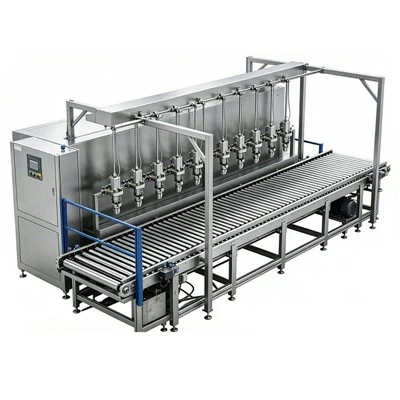
Let’s walk through the core design process we use for every custom spray painting conveyor system, from the first client consultation to final commissioning, so you understand why each choice matters and how to avoid common pitfalls.
First, start with deep, specific client needs—no two systems are the same. Early in our work with a new client, we don’t jump to picking a conveyor type or spray guns; we spend 2 to 3 days on-site to map their production line. A 2023 study from the Industrial Coating Association (ICA) notes that 32% of spray painting system failures stem from misalignment between the conveyor’s load capacity and the parts it carries, and 28% from mismatched cycle times. These numbers hit home: last year, a small automotive parts maker came to us after a “off-the-shelf” conveyor couldn’t handle their mix of 12-inch metal brake calipers and 3-inch plastic sensor housings. The off-the-shelf system’s racks were generic, so large calipers swung into each other, and small sensors slipped out—wasting 15% of their paint and reworking 20% of parts daily.
To fix this, we start with three non-negotiable data points from the client: part dimensions, production volume, and paint type. For part dimensions, we measure everything—not just the length and width, but surface features, cavities, and edges that need coverage, and weight. A 50-pound steel tractor axle needs a far different load system than a 2-oz plastic toy figure, so the conveyor’s load rating and rack design have to match. Next, production volume: if a client needs 500 parts an hour, their system has to cycle fast enough to keep up, but not so fast that paint doesn’t dry between coats. We also note their peak demand, because a system built for 300 parts an hour will bottleneck when order spiked. Finally, paint type is critical. Water-based acrylics cure faster than solvent-based epoxies, so a conveyor that works for water-based paint might need longer drying zones for epoxy. We even ask about paint viscosity, because thicker paint requires different spray gun pressure and conveyor speed than thin, fast-drying paint.
Once we have that data, we pick the right conveyor type—this is the backbone of the system, and choosing the wrong one leads to endless headaches. The most common options we design with are overhead power and free (P&F) conveyors, enclosed track conveyors, and belt conveyors, each for a specific use case. Overhead P&F conveyors are our most popular pick, especially for mid-to-large production. They suspend parts from hooks or racks above the floor, which frees up floor space for other machinery, and the “power and free” design lets us group parts: if a line needs to prioritize high-value parts (like a car’s main body) over small brackets, we can route the high-priority parts on a separate, faster loop. Last year, a motorcycle manufacturer used an overhead P&F system we designed to switch smoothly between 15 different bike frame sizes, without pausing production. That’s a win, but P&F isn’t perfect: it’s pricier upfront, and if parts are misbalanced on the hook, they’ll swing into each other during the spray process. That’s why we add custom balance clips and rack stops for parts that hang.
For smaller parts, like metal hardware or plastic phone cases, enclosed track conveyors work better. They’re more compact than overhead P&F, so they fit into tight factory spaces, and their enclosed track keeps carriers aligned, so no parts shift. We installed an enclosed track system for a client making 1,000 aluminum phone cases a week, and it reduced rework from part collisions by 90% compared to their old overhead system. Belt conveyors are the third option, used mostly for flat, rigid parts—like metal sheet for appliances, or pre-cut wood for furniture. They’re the cheapest upfront, but they take up more floor space, and if parts are too light, they can slip on the belt during spraying. We rarely recommend belt conveyors for high-mix, low-volume lines, because they’re hard to adapt to different part shapes.
Next, design the spray booth and application zone—this is where the actual painting happens, and it’s where most quality issues originate. A spray booth isn’t just a box to contain paint mist; it’s a controlled environment that ensures even coverage, reduces waste, and keeps workers safe. The biggest mistake we see here is clients building a booth that’s too small, or not accounting for airflow. Airflow direction is non-negotiable: we always design for cross airflow, where air flows from the back of the booth toward the exhaust, so overspray is drawn away from parts and spray guns. If airflow is reversed, overspray settles on finished parts, leading to orange peel texture or uneven coats. A 2022 ICA survey found that poor airflow in spray booths increases paint waste by up to 25%, so we test airflow rates with a manometer during design—targeting 100 to 150 feet per minute for most solvent-based paints, and 80 to 100 feet per minute for water-based paints, which are more sensitive to draft.
Inside the booth, the number of spray guns and their placement depends on part geometry. For complex parts, like automotive bodies with deep cavities, we use multiple guns—fixed guns for large, flat surfaces, and robotic guns for tight edges and crevices. Last quarter, a heavy equipment maker needed to paint bulldozer buckets with a thick, corrosion-resistant epoxy, so we added 12 fixed high-volume, low-pressure (HVLP) guns and 2 robotic guns programmed to target the bucket’s inner edges, which used to be missed by manual sprayers. That cut their rework rate on buckets by 18%. We also design booth width to leave 12 to 18 inches of space between parts and the booth walls—if parts are too close, overspray builds up on the walls and drips back onto parts.
Then, integrate the drying and curing zones—this is where paint hardens, and misdesign here can cause parts to smudge or require extra time. There are two main types of curing for spray painting: flash-off (pre-curing) and full cure. Flash-off is the 5 to 15 minute period right after spraying, where solvent evaporates or water dries, so the paint doesn’t run when moving parts to the oven. Full cure is the high-heat step that makes the paint durable. The length and temperature of both zones depend entirely on paint type. For example, a clear coat on a car body needs a 10-minute flash-off at 70 degrees Fahrenheit, then a 20-minute full cure at 250 degrees Fahrenheit. For water-based paints, we add a dedicated evaporator zone before the oven, because water evaporates slower than solvent, so skipping that leads to paint blushing (white spots) on finished parts.
We also design the curing zone’s airflow to match the oven’s purpose. For batch ovens (common for small production runs), we use forced convection, where hot air circulates evenly to avoid hot spots that can make paint bubble. For continuous ovens, which link directly to the conveyor line, we adjust the speed so parts stay in the oven for the exact time needed to cure. A common mistake here is making the oven too short: last year, a client tried to save money on a shorter oven, so their metal fasteners only cured halfway, leading to chips after 6 months of use. We now add a 10% buffer to curing time to account for peak production, so even if the line runs a little faster, parts still get full cure.
Control systems and automation are the final pieces that turn a functional conveyor into an efficient, low-maintenance tool. We’ve seen clients with great mechanical design fail because they used outdated controls that break constantly. Modern spray painting conveyors use programmable logic controllers (PLCs) paired with human-machine interfaces (HMIs) that let operators adjust speed, curing temperature, and spray gun pressure in real time. For example, if a part is changed (say, switching from a small plastic knob to a large metal bracket), the operator can pull up a pre-programmed setting instead of manually adjusting every gun. We also add sensors: part presence sensors to stop the line if a part is missing, paint thickness sensors to alert operators if coats are too thin or too thick, and overspray sensors to catch airflow issues before they cause rework.
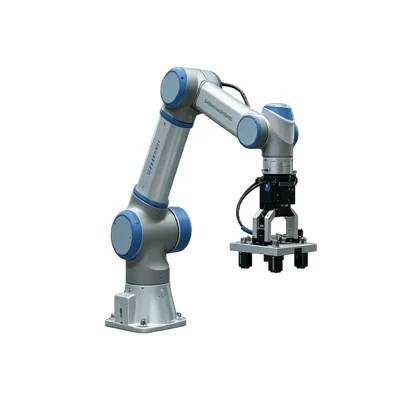
Automation is optional but a game-changer for high-volume lines. Robotic sprayers, which we pair with our conveyor systems, are consistent—they apply the exact same amount of paint every time, unlike manual sprayers, which can vary based on fatigue. A 2023 report from the Manufacturing Technology Association found that automated spray painting systems reduce paint waste by 20 to 30% compared to manual lines, and cut labor costs by up to 40%. That said, automation isn’t for every client: a small business making custom furniture with 50 parts a week will get more value from a semi-automated system with manual sprayers and a basic conveyor, instead of a fully robotic line that requires costly maintenance.
Now, the critical part: testing and commissioning before handoff. Too many suppliers install a system and leave immediately, but we never skip on-site testing for at least 3 days after installation. We run empty parts first, checking for any misalignment or rack issues, then test with sample parts, measuring paint thickness, coverage, and cure time. We also train the client’s operators and maintenance team on basic troubleshooting—like clearing jammed parts, adjusting spray gun pressure, and checking conveyor chain tension. Last year, a client’s line had a small chain stretch issue 2 weeks after commissioning, and the maintenance team fixed it themselves because we’d trained them to check tension with a simple wrench, instead of waiting for a service call.
Common pitfalls are things we see all the time, so here’s what to avoid: first, buying an off-the-shelf system for a unique part. We’ve had clients who saved $10,000 upfront on a generic conveyor, then spent $50,000 on rework and fixes within a year. Second, ignoring safety: spray painting booths require proper ventilation, fire suppression systems for flammable paint, and guards for moving conveyor parts. OSHA has strict standards for spray painting systems, and cutting corners here leads to fines or worker injuries. Third, not planning for future growth: if a client expects to double their production in 3 years, we design a conveyor with extra load capacity and spare slots for spray guns, so they don’t have to replace the whole system later.
At the end of the day, a good spray painting conveyor system is tailored to your specific operation—not a one-size-fits-all product. It balances upfront cost with long-term efficiency, quality, and safety. If you’re in the market for a spray painting conveyor, take the time to work with a supplier who will ask about your part dimensions, production volume, and paint needs, not just push a pre-built system.
If you’re ready to explore a custom spray painting conveyor solution for your manufacturing line, we’re here to walk through your needs, answer questions, and help you design a system that meets your goals.
Palletizing Robot References:
Industrial Coating Association. (2023). Annual Report on Spray Painting System Performance and Failures.
Manufacturing Technology Association. (2023). Automation in Industrial Finishing: Cost and Efficiency Outcomes.
Occupational Safety and Health Administration. (2022). Safety Standards for Spray Painting Operations.
Wanyuan Yuanwei Automation Equipment Co., Ltd.
With abundant experience, we are one of the most professional spray painting conveyor systems manufacturers and suppliers in China. Please feel free to wholesale high quality spray painting conveyor systems for sale here from our factory. Good service and punctual delivery are available.
Address: No.392, Wanbai Road, Baisha Town, Wanyuan City, Dazhou City, Sichuan Province
E-mail: wanyuanyuanwei@outlook.com
WebSite: https://www.yuanweiautomation.com/
