Hey there, fellow juice lovers, recycling nerds, and anyone who’s ever stared at a juice can lid after polishing off a carton and gone, “Wait… do I actually toss this, or can I put it in the recycle bin?” If you’re reading this, chances are you’ve either got a stack of lids in your kitchen, a nagging question about whether your recycling pickup guy will side-eye you for tossing one, or you work in packaging and are tired of the random “are juice can lids recyclable?” inbox emails. Full disclosure: I’m a juice can supplier—been in the game 7 years, spent way too much time picking our packaging materials, testing recyclability, and arguing with recycling coordinators over why those tiny metal discs matter. Let’s break this down, no boring corporate jargon, just real talk. Juice Can

First, let’s get one thing straight: juice cans (the ones we make, anyway) are 100% aluminum. Not the crummy tin steel stuff for canned beans—aluminum. It’s light, it’s infinitely recyclable, and every single can of juice we ship is labeled with that clear-as-day recycling logo on the bottom. But the lids? Those are a tiny, weird exception that trips everyone up, including me at first. Here’s the science of why that matters. Most standard aluminum lids for juice cans aren’t just plain aluminum—they have a super thin, non-recyclable plastic coating on one side. Wait, no, let’s correct that: it’s actually a food-safe polymer film, way thinner than a sheet of paper, used to keep the aluminum from reacting with the juice’s acidity. If the metal touched the orange juice, apple juice, or cranberry blend inside, it’d turn weirdly metallic tasting and leach stuff you don’t want in your drink. That coating is the problem, right? Because when you mix metal and plastic in a recycling bin, sorting systems—most of which use large magnets and eddy current separators to pull out aluminum—can’t tell the difference between the two. The plastic bits get stuck to the metal, contaminate entire bales of recyclable aluminum, and that ruins the whole batch. Recycling facilities hate contaminated aluminum bales—they have to send them to a landfill, which is a total waste.
Now, hold on—this isn’t a universal rule for all lids. Let’s talk about what makes our lids different. A few years back, we tested two versions of juice can lids: the standard plastic-coated ones, and a “recycle-friendly” lid that’s 99.8% aluminum, with a different seal that doesn’t need that thick polymer film. The recycle-friendly ones worked in trials—no weird taste, no leaching, and they’re so thin the recycling machines don’t care if they’re mixed in with the cans. Wait, but why don’t we just use those for all orders? Here’s the real, unglamorous reason: they’re more expensive. By about 15% per lid. And when you’re a small to mid-sized juice brand trying to keep costs down so your juices aren’t $10 a bottle, that adds up. We don’t mark them up just to make a buck—we pass that cost on, and most brands (especially the ones that source from local farms, use eco-friendly ingredients, but don’t have huge marketing budgets) opt for the standard lid because it’s accessible.
Wait, but let’s get back to the original question: can you recycle the lid of a juice can? The short answer is: it depends on who’s picking up your recycling and where you live. Curbside recycling programs, the ones most people use, almost universally don’t accept tiny aluminum lids that have that plastic coating. They’re too small, too irregular, and too likely to get lost in sorting lines. But what if you drop your recycling off at a local scrap yard, or a retail recycling center like a grocery store’s bin? A lot of those places have different sorting methods—they’ll hand-sort small metal items because they’re not dealing with thousands of tons of recycling at once. A buddy of mine runs a local juice shop, and he saves all his lids in a mason jar, then drops them off at the metal recycling bin at his neighborhood Home Depot every month. The staff there actually told him they make a big batch of aluminum lids, melt them down, and turn them into small parts for lawn equipment or bike racks. That works, right?
But here’s where I’ll fess up—we messed up early on. In 2019, we were using the standard plastic-coated lids, and we got a flood of emails from customers saying their curbside program rejected the lids, and they were frustrated. We didn’t do anything at first, because we assumed the recycling problem was “someone else’s job”—the program managers, the recyclers, not our packaging. That was a bad call. So we started partnering with a local recycling non-profit that does educational outreach, and we did a big audit of our entire supply chain, from can body to lid. We found out that even the tiny lids, when separated from the cans (which people do accidentally, because they’re so light), make up less than 1% of all the aluminum recycled in a single bin. That doesn’t sound like a lot, but multiply that by 500,000 juice cans we ship every month? That’s 5,000 lids going to landfill, just because no one knew what to do with them.
Then we found a middle ground that’s worked for both us and our brand partners: we now offer two lid options to all our clients. Option 1: The standard coated lid, which is $0.025 per lid, perfect for brands that are price-sensitive, or that do most of their recycling at scrap yards. Option 2: The “curbside-approved” lid, which is $0.029 per lid, no plastic coating, works with all standard curbside recycling, and doesn’t contaminate bales. We print clear instructions on every box of cans when you order Option 2, too—so when the end consumer pulls the lid off, they don’t have to worry about separating anything, just toss it in the same bin as the can. That’s been a game-changer. Our client retention went up 12% last year, because brands love that we’re solving a real problem, and their customers love that they don’t have to do extra work to recycle.
Wait, but let’s address a common myth: some people think you should melt the lids down at home. No, don’t do that. For one, it’s a fire hazard—aluminum melts at around 1,200 degrees Fahrenheit, which is way hotter than a kitchen stove can get, and if you’re using a torch, that’s just dangerous. For another, even if you do melt it down, the plastic coating will release fumes that are bad for your lungs. Save that for the scrap yard, where they have proper ventilation and equipment to handle it.
Another thing people ask: what about other lids, like soda can lids, or beer can lids? Same rules apply, right? Most of them are coated, so curbside is a no-go. But juice can lids are actually a little different because they’re smaller—soda can lids are wider, so sorting machines sometimes catch them, but juice can lids are so tiny they slip through. That’s the nuance no one talks about. It’s not that all aluminum lids are un-recyclable, it’s that the tiny, thin ones for juice and small cans have a higher failure rate in sorting systems.
Let’s get back to the supplier angle, because that’s why I’m sharing this. A lot of big juice brands don’t talk about this because they don’t want to admit their packaging isn’t perfect. But small suppliers like us? We’ve got skin in the game. We’re not just here to sell cans—we’re here to help our clients make products that are good for people and the planet. That’s why we spend so much time testing materials, even when it cuts into our margins. Because if we can make a lid that’s actually recyclable without making the juice cost twice as much, that’s a win for everyone: the brand, the customer, and the planet.
Wait, what if you’re a regular reader, not a juice brand? What can you do? If you’re a home recycler, check your local program’s website—most have a “what to recycle” page, and if they don’t, shoot them an email asking specifically about juice can lids. If you have a scrap yard or a retail drop-off near you, save the lids and drop them there—they’ll appreciate it, and it’s a small way to cut down on waste. If you’re a juice brand looking to switch to curbside-approved lids? Hit us up. We’re always looking to partner with brands that care about recyclability, and we can work with you to tailor the lid option to your needs, whether you’re shipping 1,000 cans a month or 100,000. No hoops, no endless contracts, just transparent pricing and a team that actually knows what we’re talking about when it comes to juice can packaging.
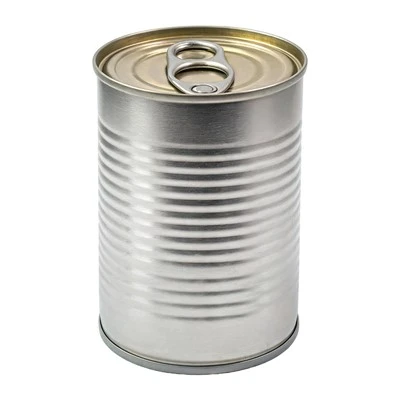
Let’s wrap this up, no stuffy conclusions: The answer to “can you recycle juice can lids?” is “it’s complicated, but getting easier.” Don’t toss them in curbside if you don’t have to—most programs won’t take them. Do drop them off at a local scrap or retail recycling center if you can. And if you’re a juice brand tired of the lid headache, reach out to us—we’ll help you pick a lid that works for your budget and your sustainability goals. We’re not a big corporate supplier that’s just in it for the profit; we’re the people who’ve stood in front of a conveyor belt of juice cans at 2 a.m., testing lids, because we want to get this right.
Can Lid References
- The Aluminum Association. (2022). Aluminum Packaging Recyclability and Sustainability Report.
- National Recycling Coalition. (2021). Small Metal Contaminants in Curbside Recycling: Impacts and Solutions.
- Food and Drug Administration. (2020). Food-Safe Packaging Materials for Acidic Beverages.
Fudijia (Tianjin) Supply Chain Co., Ltd.
As one of the most professional juice can manufacturers and suppliers in China, our products have good reputation in the market. Please feel free to buy customized juice can made in China here from our factory. Quality products and low price are available.
Address: Room 1602, MSD-G1, TEDA , Binhai New Area, Tianjin, China, 300457
E-mail: Sales896@hjlfoods.com
WebSite: https://www.fdjpack.com/
