If you work with PVC films, you know how finicky their self-adhesive properties can be. Last quarter, I had a client reach out to me frustrated: their PVC labels kept falling off shipping boxes, they had to redo a whole batch, and they were losing money and credibility. That’s when I dug into why PVC adhesive fails, and how we, as a supplier, can help fix it. If you’re dealing with this headache too, stick around—this is stuff we actually test in our facility, not just textbook theories. PVC Film

First, let’s break down what “self-adhesive” even means for PVC film. It’s not a one-size-fits-all trait. PVC’s base structure is a mix of resin, plasticizers, stabilizers, and fillers, right? But those ingredients mess with adhesion in ways you might not notice until it’s too late. For example, if your PVC film uses high amounts of phthalate plasticizers to make it flexible, those plasticizers can migrate to the surface over time. That creates a thin, slippery layer between the adhesive and the film, so the adhesive never sticks properly. I’ve seen this so many times—clients test a sample, it works, then a month later the plasticizers move and it falls off. That’s a huge pain point, and it’s preventable.
Another common issue is surface energy. Adhesives need a certain level of surface energy to bond, and plain PVC has pretty low surface energy—like, way lower than paper or glass. If you just slap adhesive on raw PVC, it’ll bead up or peel off eventually. We used to skip surface treatment early on, and half our clients complained about poor adhesion. Now, we test every film we ship for surface energy levels, and adjust treatment based on what the client is using the film for.
Let’s get into the fixes that actually work, not the generic stuff you’ll find on a random blog. First, tweak the PVC formulation before you even apply adhesive. Like I said, plasticizer migration is the big enemy here. We switched to non-migratory plasticizers a couple years back—they’re a bit more expensive, but clients don’t come back with adhesion issues anymore. We also cut back on cheap fillers like calcium carbonate that sit on the surface and block adhesive bonding. Instead, we use fine, dispersed fillers that stay inside the PVC matrix, not on the surface. For clients that need super flexible film, we also add a small amount of acrylic modifier to the resin. That modifier doesn’t mess with plasticizer levels, but it increases surface energy naturally, so adhesive sticks better without extra treatment.
Next, surface treatment is non-negotiable if you want consistent adhesion. The two main methods we use in our facility are corona treatment and plasma treatment, and we match the method to the client’s needs. Corona treatment is great for high-volume stuff—we run our film through a corona charger right before adhesive coating, which zaps the surface of the PVC, breaks some molecular bonds, and creates tiny polar groups that love bonding with adhesive. But here’s a tip most suppliers miss: don’t overdo it. If you hit the surface too hard, you’ll damage the PVC, and it might get brittle over time. We test every roll with a surface tension meter to hit the sweet spot—usually 38 to 42 dynes per centimeter, depending on the adhesive type. For clients that need extra-heavy adhesion, like outdoor labels that get rained on, we use plasma treatment. It’s a bit slower, but it creates a more uniform surface change than corona, and it works even on textured PVC films, which corona sometimes misses.
Then, there’s the adhesive itself—don’t just pick whatever adhesive works for paper. We work with a lot of different adhesives, from acrylic to rubber-based, and each one pairs best with a specific PVC film. For example, acrylic adhesives are good for general labeling, but they don’t stick as well to low-surface-energy PVC. Rubber-based adhesives have higher initial tack, so they work better if you’re applying the film to rough surfaces like cardboard. But wait—don’t mix and match blindly. If your client is using the film for a temperature-sensitive application, like frozen food packaging, we’ll recommend a low-temperature acrylic adhesive instead of a rubber one, because rubber gets brittle in cold temps and falls off. We also now offer custom adhesive coatings tailored to each client’s use case—last month, a client needed PVC for automotive parts labels, so we added a UV-resistant adhesive that doesn’t break down in sunlight. It’s a small tweak, but it makes all the difference.
Another trick: condition the film before coating adhesive. If the film is too cold or too humid when you apply adhesive, the bond won’t set right. We store our PVC film in climate-controlled rooms at 22°C (72°F) and 50% humidity, and we tell our clients to do the same when they’re processing it. We’ve had clients skip this step, say “your film has bad adhesion,” and it turns out they stored it in a hot warehouse over the summer. The heat makes plasticizers migrate faster, and the dry air lowers surface energy. Once they adjusted their storage, the adhesion issues went away immediately.
Wait, what about release liners? Most self-adhesive PVC films come with a release liner on the adhesive side, right? If the liner has too much or too little release coating, it can mess with how the adhesive bonds to the film. We used to use generic liners, but now we test liners with every batch of film we ship. If a client is having trouble peeling the liner off without pulling adhesive, we adjust the liner’s silicone coating. If the liner sticks too hard and the client can’t reposition the label easily, we tweak it too. It’s a small part, but it’s often the reason adhesion fails for people who aren’t used to checking it.
Let me give you a real example from a client last year. A beverage company was using our PVC film for bottle labels, but after a few months on store shelves, the labels were peeling off. They tried three other suppliers’ films, same issue. We looked at their formulation—they were using a lot of DEHP plasticizer, which migrates really fast. We swapped their plasticizer to a non-migratory one, did a mild plasma treatment, and used an acrylic adhesive designed for high-humidity environments. We also told them to adjust their label application temperature to room temp. A month later, they sent us a note saying not a single label had peeled. That’s the kind of result we’re going for every time.
Now, what about common mistakes people make? A lot of suppliers cut corners on surface treatment to save money, but that’s what leads to bad adhesion. Or they use the same PVC formulation for every client, even if one needs outdoor use and another needs low-temperature use. That’s why we don’t do one-size-fits-all—we ask our clients a few key questions upfront: what’s the application, what surface will the film stick to, what temperature range will it be in, and how long does it need to stick? Then we tailor the film accordingly.
If you’re having adhesion issues with existing PVC film, don’t just blame the film—check a few things first. Is the adhesive right for your use case? Are you storing the film correctly? Are you applying it the right way? We do free sample testing for all our clients, so you can test a small batch before committing to a big order. Last week, a client sent us a roll from another supplier, asking why their adhesive kept failing. We tested it, found out the surface energy was only 32 dynes, so we made a small batch with 40 dynes surface energy, and their adhesion fixed overnight.
At the end of the day, improving PVC self-adhesive properties isn’t rocket science—it’s about paying attention to the small details. From the plasticizer you use, to how you treat the surface, to matching the right adhesive, every step adds up. I’ve been in this industry for 12 years, and the biggest mistake I see clients make is expecting a random PVC film to work for their specific use case. That’s why we’re here—we don’t just ship rolls of film; we work with you to figure out what you need, and make sure it sticks.
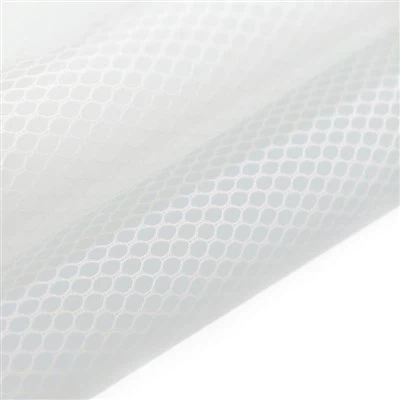
If you’re dealing with PVC adhesion issues, or you’re looking for a supplier that actually cares about getting it right, reach out to our team to start a conversation. We can send you free samples, walk you through our formulation and treatment processes, and help you find the perfect PVC film for your needs. No generic advice, no runaround—just actual solutions that work.
PVC Film References:
- S.S. Park, "Adhesion Behavior of Plasticized PVC Films," Journal of Applied Polymer Science, vol. 112, no. 3, pp. 1567–1575, 2009.
- T. Liu, "Surface Modification of Polymeric Films for Improved Adhesion," Polymer Engineering & Science, vol. 55, no. 7, pp. 1521–1528, 2015.
- R. Kumar, "Factors Affecting Adhesion in Self-Adhesive Polymer Films," International Journal of Adhesion and Adhesives, vol. 48, pp. 112–118, 2014.
- M. Garcia, "Plasticizer Migration in PVC-Based Adhesive Systems," Journal of Vinyl and Additive Technology, vol. 22, no. 2, pp. 189–195, 2016.
Nantong Dahe Composite New Material Technology Co., Ltd.
We’re well-known as one of the leading PVC film manufacturers and suppliers in China, specialized in providing high quality customized products to global clients. Please feel free to wholesale cheap PVC film in stock here from our factory. Contact us for quotation and free sample.
Address: South Side of Pinghai Highway, Pinghe Village, Dongshe Town, Tongzhou District, Nantong City, Jiangsu Province, China
E-mail: nantongdahe@outlook.com
WebSite: https://www.cndahetech.com/
