If you’ve ever stepped into a manufacturing, warehousing, or packaging space lately, you’ve probably noticed pick and place robots everywhere. These workhorses speed up repetitive tasks, cut down on human error, and make whole operations way more efficient— but I know what you might be wondering: how do they keep everyone safe? As a pick and place robot supplier, I get questions about safety all the time, so let’s break down the real, practical safety features that actually matter, no jargon, no fluff, just what keeps your team and your equipment protected. Pick and Place Robot
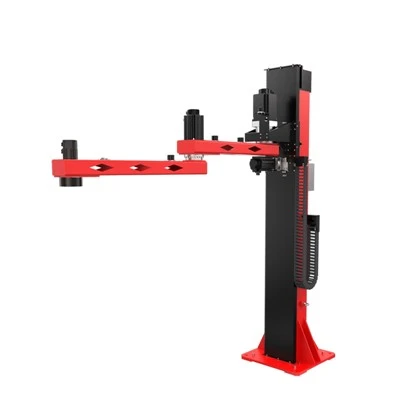
First off, let’s start with the basics: collaborative safety, or what industry folks call “cobot features” built into most modern pick and place robots. A lot of people think industrial robots are stuck behind metal cages, and that used to be the case for good reason— old-school models could move fast and with tons of force, which was dangerous if a human accidentally wandered into their work area. Now, though, most pick and place robots are designed to work side-by-side with people, no cage needed, and that starts with force and torque sensors. These little sensors are built right into the robot’s joints, and they’re constantly measuring how much force each arm is exerting. If the robot bumps into something that’s not supposed to be there— say, a worker’s hand reaching in to grab a part, or a loose box— it doesn’t just keep going. It detects the extra force, triggers an immediate stop, and sends a quick alert to the operator. I’ve seen this work in action: a line worker at a small electronics assembly shop was reaching in to adjust a component, and before they even pulled their hand back, the robot had already stopped moving. That’s not luck, that’s good safety design.
Wait, but force sensors aren’t the only thing for cobot setups. There’s also speed and separation monitoring, which is like a built-in “keep your distance” rule for the robot. These systems use 2D or 3D cameras, LiDAR sensors, or even simple proximity tags to track where humans are in the robot’s work zone. If a worker is far away, the robot can run at full speed to get the job done fast. But if someone gets closer— say, they’re leaning in to troubleshoot a small issue— the robot automatically slows down to a safe, non-threatening speed. And if that person gets too close for comfort, the robot stops completely. We use this feature on almost all our mid-range pick and place models, and it’s a game-changer because it lets teams work flexibly without stopping production entirely. No more waiting around for the robot to finish a cycle just because someone needs to check a part.
Next up, hard stops and emergency stop (e-stop) systems, which are non-negotiable, no matter what kind of robot you’re using. I don’t care how good your sensors are, every single pick and place robot needs a reliable e-stop— and not just one. You should have at least two: a large, easily accessible physical button on the robot’s control panel (bright red, of course, so it stands out) and a remote e-stop, like a pendant for the operator to carry, or even a button on the warehouse’s main control wall. The e-stop should cut all power to the robot’s motors instantly, no lag, no delay— that’s rule number one for any safety equipment. We test every e-stop on our robots before they leave our facility, and we even include a custom reminder for clients to test them monthly, because even the best button doesn’t work if it’s never checked.
Then there’s end-of-arm tooling (EOAT) safety, which a lot of people overlook. The pick and place robot’s “hand” is what it uses to grab parts, right? If that tool is poorly designed, it can be a hazard. Think about it: if a gripper has sharp edges, or it’s too tight and crushes small parts, or it drops a heavy component, that’s a problem. Good EOAT safety means grippers with soft, rounded edges instead of sharp metal, adjustable grip force so you’re not squeezing parts too hard, and sensors built into the gripper to confirm it’s holding the part securely before moving. If the gripper detects it’s not gripping the part right— like if a part is misaligned, or there’s a gap— it won’t move the arm. That prevents dropped parts, which can cause injuries (if a heavy part falls) or damage to the robot. We work with clients to customize EOAT for their specific parts, because a gripper for tiny circuit boards is way different than one for large plastic bins, and safety has to match the task.
Area scanners and safety barriers are another big one, especially for industrial pick and place robots that are too big or too fast for human co-workers. Even if you have a collaborative robot, some high-volume setups might still need a physical barrier, but that barrier shouldn’t be a solid wall with no way to access. Instead, we use flexible, safety-rated light curtains or laser area scanners. Light curtains are like invisible beams across the robot’s work zone— if someone breaks a beam, the robot stops. Laser scanners are more advanced; they map the entire work area, can detect not just hands but even small objects on the floor, and can adjust the zone if you reconfigure the robot’s setup. For clients that run around-the-clock operations, these barriers let workers restock parts or do maintenance without having to shut down the entire line, as long as the safety system is properly calibrated. We always make sure our area scanners are calibrated on-site by our team, because a misaligned scanner is worse than no scanner at all.
还有, let’s talk about software features, because safety isn’t just hardware. The robot’s control software has built-in safety limits that you can’t change without proper authorization. For example, you can’t set the robot’s maximum speed higher than the manufacturer’s recommended safe limit, even if an operator tries to adjust it manually. There are also access controls— like a password or a keycard to log into the robot’s programming interface— so only trained staff can change safety settings. A lot of older robots had issues where anyone could tweak the speed or force settings, leading to accidents, but modern pick and place robots lock those settings down. We train all our clients’ operators on how to adjust basic settings without messing with safety parameters, because flexibility is good, but safety parameters are non-negotiable.
Wait, what about maintenance safety? That’s a part of the robot that people don’t think about until something goes wrong. When you need to clean the robot, replace a part, or do repairs, you don’t want the arm to suddenly move while you’re working on it. Most pick and place robots have a “maintenance mode” that you can activate, which locks the arm in place and disables all movement until you’re done. Some even have physical locks on the robot’s joints so you can manually hold the arm without worrying about it moving. We include a step-by-step guide for maintenance mode in every user manual, and our support team is always available to walk someone through activating it if they’re not sure. I’ve had clients who skipped maintenance mode once, and almost got pinched by a moving arm— that’s exactly why these features exist.
Now, I know what you’re thinking: “All this sounds great, but how do I know which safety features I actually need for my business?” That’s where we come in. Every operation is different— a small bakery packaging pastries has different needs than a warehouse moving heavy pallets, or an electronics factory handling tiny chips. We don’t sell a one-size-fits-all robot; we work with you to assess your space, your tasks, and your team’s needs, then pick the safety features that fit, not the ones we want to push. For example, if you’re a small shop with limited space and only a couple workers, a collaborative robot with force and torque sensors plus e-stops is perfect. If you’re a high-volume warehouse, we might pair an industrial robot with area scanners and EOAT sensors to keep both workers and the robot safe.
At the end of the day, pick and place robots are supposed to make your job easier, not put you at risk. But safety isn’t an afterthought— it’s built into every part of the robot, from the sensors in the joints to the software that controls it. If you’re tired of worrying about accidents, or you’re looking to upgrade your line with a robot that’s as safe as it is efficient, we can help. We’ve installed hundreds of pick and place robots across different industries, and we know how to tailor the right safety setup for your specific needs. Whether you’re a small startup just getting started with automation or a large operation looking to scale, we can walk you through your options and help you choose the robot that fits your budget and your safety requirements.
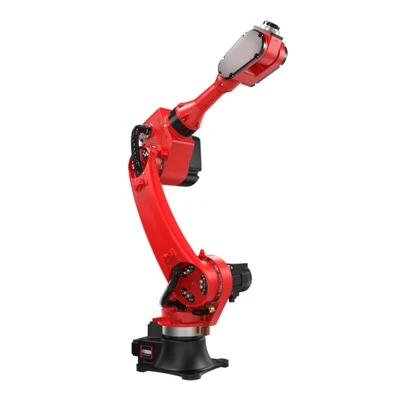
If you’re ready to chat about your needs, reach out to our team to discuss a pick and place robot that works for your space and budget. We’ll answer all your questions about safety, performance, and what setup makes the most sense for your operations. Don’t let outdated worries about robotic safety hold you back— modern pick and place robots are designed to keep your team safe while boosting your productivity.
Industrial Robot References
- International Organization for Standardization (ISO). 2018. Industrial Robots and Robot Systems – Safety Requirements. ISO 10218-1:2018.
- Robotic Industries Association (RIA). 2022. Collaborative Robot Safety Guidelines. RIA R15.06-2022.
- Occupational Safety and Health Administration (OSHA). 2021. Safety Guidelines for Industrial Robotics in Warehousing and Manufacturing. OSHA 3698-01R.
- International Federation of Robotics (IFR). 2023. Global Report on Industrial Robot Safety Standards and Best Practices. IFR Publication Series.
- Society of Manufacturing Engineers (SME). 2022. End-of-Arm Tooling (EOAT) Safety for Collaborative and Industrial Robots. SME Technical Brief.
Robotic Technology (GD) Co., Ltd.
Robotic Technology (GD) Co., Ltd. is one of the most experienced pick and place robot manufacturers and suppliers in China, also supports custom service and one year warranty. Please feel free to wholesale CE approved pick and place robot for sale here from our factory. Contact us for quotation.
Address: Room 102, No. 30,Hengfeng 2nd Road,Daguo, Changping Town, Dongguan City,Guangdong,China
E-mail: admin@iroboticplus.com
WebSite: https://www.rb-tic.com/
