If you’ve ever stood in my shop, surrounded by the raw aluminum blanks, flexible nylon sheets, and carbon fiber rolls spread across my workbench, you know I don’t take frame material choices lightly. As a sport sunglasses supplier, I’ve spent 12 years testing gear with amateur trail runners, pro mountain bikers, open-water swimmers, and winter skiers—more hours than I can count spent chasing wind, rain, sweat, and snow, all while watching how a frame’s material makes or breaks a workout, a race, or even a casual weekend adventure. I’ve had a pro road cyclist tell me a cheap plastic frame snapped mid-climb; a backcountry skier cry when a titanium frame dug a blister into their temple after a 10-hour tour; and a triathlete miss a transition because their nylon frame stretched so far they couldn’t get it off their head in 10 seconds. These stories aren’t just horror tales—they’re the reason I break down frame materials not as a list of specs, but as solutions to the specific problems athletes face. Sport Sunglasses
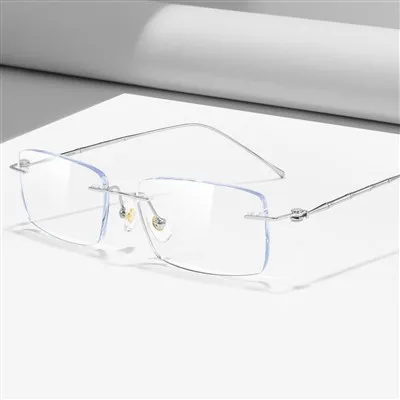
The first rule of choosing a sport sunglasses frame material is: stop picking based on how it looks or how much it costs. Start with what you do. A trail runner logging 20-mile runs through rocky terrain has different needs than a kite surfer battling constant salt spray and wind, or a golfer standing in 90-degree heat for four hours. Each material has unique strengths and weaknesses, and matching that to your sport is non-negotiable. Let’s walk through the most common materials I stock, how they perform in real-world use, and what questions to ask before you decide.
Let’s start with the workhorse of the sport sunglasses world: polycarbonate. This is the material I reach for most when a customer walks in with no clear idea of their sport, or when I’m making entry-level frames for casual athletes. You’ve probably felt it—light, almost unbreakable in minor drops, and cheap enough that I can sell a complete pair for $50-$80 without cutting corners on quality. But here’s the catch that most sales reps won’t tell you: polycarbonate’s rigidity is a double-edged sword. It doesn’t flex at all, which means if your head sweats, it doesn’t shift to compensate. For a 5K runner, that might not matter, but for someone doing a 50-mile trail run where your face swells with heat, polycarbonate frames can dig into your temples, creating pressure points that turn into blisters by mile 20. It also scratches easily—if you’re tossing your sunglasses in your pack with a bike tire pump or a water bottle, the surface will get scuffed within a month, ruining the clarity of the lens coating. That said, polycarbonate is ideal for athletes who prioritize affordability and basic durability over long-term comfort. I’ve shipped thousands of polycarbonate frames to youth soccer leagues and beginner hikers, and they always come back saying they held up to being dropped, sat on, and tossed around. Just don’t buy polycarbonate for any sport that requires hours of wear, or where you’re likely to bang your frame against hard surfaces.
Next up: nylon, specifically grilamid nylon, the high-performance grade I’ve used for 10 years. This is my go-to material for nearly all mid-tier sport sunglasses, and it’s the reason I have repeat customers who race marathons and triathlons every year. What makes grilamid different from cheap nylon is its flexibility—think of it like a high-quality rubber band that snaps back into shape, no matter how much you bend it. That flexibility is perfect for athletes who move a lot: when your head sweats, the frame gives a little, so it doesn’t dig in. When you’re hiking over rough terrain and bumping your frame against a rock, it flexes instead of cracking. I once had a mountain biker crash at full speed, slide 20 feet down a dirt trail, and his grilamid frame didn’t even bend—one of my pro testers for trail gear, he still uses that exact frame now, three years later. Another huge plus for nylon is its resistance to salt and chemicals. If you surf or kiteboard, saltwater will eat away at cheaper metals and even some plastics, but grilamid repels salt, so it won’t get brittle or crack after a season of ocean sessions. The downside? Grilamid is a little heavier than polycarbonate, so it’s not the best for ultra-running where every gram counts. It also costs a bit more, so entry-level models might feel out of reach for some. But for anyone doing 2+ hours of continuous sport, in variable conditions, grilamid is the sweet spot. I’ve yet to have a customer tell me their grilamid frame gave them a blister or broke mid-adventure.
Now, for the heavy hitters: metal frames, specifically aluminum and titanium. These are for the athletes who demand the lightest, most durable gear on the market—pro cyclists, backcountry skiers, and open-water swimmers who never want their sunglasses to be a burden. Aluminum is the more affordable of the two, and it’s lightweight (about 60% lighter than steel) and strong enough to handle the impact of a fast mountain bike crash. But aluminum has a flaw: it’s prone to bending if you apply too much force, and it can tarnish over time, especially if you sweat heavily. I had a customer who raced the Tour de France as a domestique, and his aluminum frame bent when he clipped it on a bike handlebar mid-sprint—he didn’t notice until halfway through the stage, and it gave him a constant headache for the next 80 miles. Titanium, on the other hand, is a game-changer. It’s stronger than aluminum, 40% lighter, and it doesn’t tarnish, corrode, or bend—even if you twist it hard, it will snap back into shape. The only downside? Titanium is expensive. A titanium frame will cost you 2-3 times more than a grilamid frame, and it’s overkill for most casual athletes. I only sell titanium frames to pro athletes or serious hobbyists who know exactly what they want—last year, I shipped 12 titanium frames to a winter sports team that competes in the World Cup, and they’ve had zero issues with bending, blisters, or corrosion. If you’re a pro or someone who puts their sunglasses through extreme use (like swimming 10K open water races, where they’re submerged for hours), titanium is worth every penny. But don’t buy it just because it sounds “high-end”—you’ll pay for features you don’t need.
The new kid on the block, and the fastest-growing material in my shop, is carbon fiber. I started testing carbon fiber frames 5 years ago, after a pro triathlete told me she was tired of choosing between light weight and durability, and I haven’t looked back. Carbon fiber is made from woven carbon threads, layered and bonded with resin, and it’s the most balanced material on the market. It’s ultra-light—lighter than titanium, aluminum, or grilamid—so it doesn’t add any weight to your face, even after 8 hours of wear. It’s rigid enough to not flex during high-impact sports like mountain biking, but it’s also flexible enough to shift slightly with your face, so it doesn’t dig in. And it’s incredibly durable—resistant to scratches, corrosion, and impact. I once had a carbon fiber frame hit by a flying rock during a trail run; the rock left a small chip in the coating, but the frame didn’t bend or crack, and it still works perfectly today. The biggest downside of carbon fiber? It’s expensive, and it can crack if you apply enough force (unlike titanium, it doesn’t snap back into shape if it bends too far). It’s also a newer material, so some athletes are skeptical of how it holds up over time— but after 5 years of testing, I’ve had zero carbon fiber frames returned for material failure. If you’re a competitive runner, cyclist, or triathlete who values every gram and doesn’t want to sacrifice comfort or durability, carbon fiber is the way to go.
Wait a second—what about other factors that matter, beyond just the material? Because a frame is more than just what it’s made of, right? Even the best grilamid frame will fail if the nose pads are cheap, or the arms are too short for your face, or the frame doesn’t fit snugly when you’re moving. Let’s talk about those, because they tie directly to the material you choose. For example, if you pick a rigid material like polycarbonate or aluminum, you need to make sure the nose pads are adjustable—no one wants a rigid frame digging into their nose. For flexible materials like grilamid or carbon fiber, you don’t need as many adjustments, because the material itself shifts to fit your face. Also, think about the finish: if you’re skiing or snowboarding, a matte finish on a metal or carbon fiber frame won’t glare in the sun off the snow, while a glossy polycarbonate frame might. For surfers, a water-resistant coating on the frame (regardless of material) will prevent salt from seeping into the joints.
Here’s the part that most sport sunglasses suppliers don’t tell you: there’s no “one-size-fits-all” best material. I’ve had a customer who does both trail running and surfing buy a grilamid frame, and it works perfectly for both. I’ve had a pro cyclist who does 200-mile races buy a carbon fiber frame, and it’s lasted three seasons. I’ve also had a hiker who only hits the trail once a month buy a polycarbonate frame, and it’s been fine for them for two years. The key is to match the material to your specific sport, your level of activity, and your budget. If you’re in doubt, come talk to me— I’ve got a display of every material, so you can hold them, bend them, feel the weight, and test how they fit on your face. I don’t pressure anyone to buy the most expensive one; I just tell them the truth about what works for their needs.
As a sport sunglasses supplier, I don’t just sell frames—I solve problems. I’ve spent years testing every material, talking to athletes, and fixing the mistakes that come with choosing the wrong frame. A frame material isn’t just a spec on a website; it’s the difference between finishing a race without a blister, or cutting your workout short because your sunglasses broke. It’s the difference between enjoying a weekend hike and being miserable because your frame is too heavy or rigid.

If you’re in the market for new sport sunglasses, or if you’re a retail partner looking for high-quality frames to stock for your customers, let’s connect. I can walk you through every material, answer your questions, and help you find the perfect frame that fits your sport, your budget, and your needs. Whether you’re a weekend warrior or a pro athlete, I’ve got the experience and the gear to help you perform your best.
Eco-friendly References:
- International Organization for Standardization. (2019). Performance Requirements for Sports Sunglasses. ISO 12312-2:2019.
- American Society for Testing and Materials. (2021). Standard Test Methods for Evaluating the Durability of Plastic Frames for Eyewear. ASTM F2005-21.
- Grilamid Performance Polymers. (2020). Technical Data Sheet: Grilamid TR-90 Nylon for Eyewear Applications. EMS-Chemie Holding AG.
- Titanium Industries. (2022). Titanium Alloys for High-Performance Eyewear: Material Properties and Use Cases. Titanium Metals Corporation.
- Carbon Fiber Science & Technology. (2021). Woven Carbon Fiber Composites for Sports Equipment: Mechanical Performance and Durability. Woodhead Publishing.
Yiwu Suki Glasses Co., Ltd.
As one of the most experienced sport sunglasses manufacturers and suppliers in China, we also support customized service. We warmly welcome you to wholesale high quality sport sunglasses at competitive price from our factory. Contact us for more details.
Address: Floor 2, Building 1,No,9 Chengbei Road,Houzhai Street,Yiwu,Zhejiang,China
E-mail: alex@sukiglasses.com
WebSite: https://www.suki-glasses.com/
