Hey there, Truck-Mounted Drilling Rigs
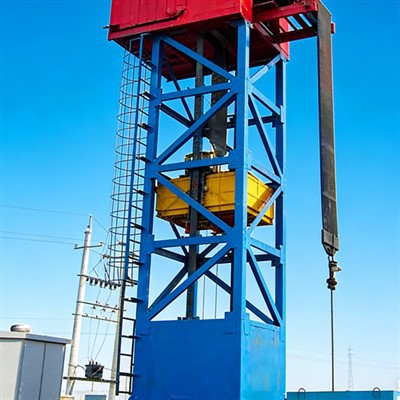
If you’ve ever spent time scrolling through drilling forums or talking to folks in the energy, mining, or construction game, you’ve definitely heard this question pop up: Can truck-mounted drilling rigs actually work in mountainous areas? As someone who’s been supplying these rigs for over 10 years now, I get why it’s such a common head-scratcher. Most people picture mountains as rocky, bumpy, narrow roads with zero room to maneuver—so a big, heavy truck rig feels like it’d get stuck before it even drills a single hole. But here’s the thing: it’s not a black-and-white answer. It depends on the right rig, the right prep, and knowing how to adapt to the terrain. Let me break this down like I would for a regular customer who’s just called me asking for advice.
First off, let’s get one myth out of the way early: not all truck-mounted drilling rigs are the same. Ten years ago, if someone tried to send a standard 40-ton rig up a twisty mountain road, they’d be in for a nightmare. Those big, generic models need wide, paved roads, flat staging areas, and minimal slopes—stuff most remote mountains don’t have. But today, there’s a whole range of rigs built specifically for tight, uneven terrain, and that’s where the magic happens. Let’s talk specs that matter here. For mountain use, you want a rig with a compact chassis (think 30 tons or less) instead of a massive one. Most of our mid-sized truck rigs have a shorter wheelbase, which makes turning on narrow mountain roads way easier—no more three-point turns on a 10-foot-wide switchback. We also add heavy-duty suspension with independent axles, not the old solid-axle setups. Those handle rocky, potholed, dirt roads like a dream; they don’t jar the drill string loose or risk tipping on uneven ground.
Then there’s ground pressure. If a rig is too heavy, it’ll sink into soft mountain soil, mud, or even snow (yeah, mountain drilling happens in winter too). We design our mountain-specific rigs with wider tires and optimized weight distribution. For example, our newest line has a weight distribution system that shifts 20% of the load to the rear axle when drilling, which keeps pressure low on the ground and stops the rig from sinking. I remember a customer in the Rockies who was drilling for water in a remote valley—they tried a competitor’s generic rig first, and it sank 2 feet into the soft loam before they even unloaded the drill. They switched to one of our compact, low-ground-pressure rigs and got it up the 12% slope to the site in 45 minutes, no problem. That’s the kind of real win I live for.
Next, let’s talk about drilling performance in mountain terrain, because it’s not just getting the rig up there—it’s actually drilling. Mountains have their own unique rock: fractured granite, shale layers, maybe even loose scree. A standard rig’s mast isn’t built to handle the vibration from uneven ground, so it can drift off-center when drilling. Our mountain rigs have a stabilized mast with automatic leveling sensors. If the rig tilts even 2 degrees (super common on uneven ground), the sensors adjust the outriggers in real time to keep the mast perfectly vertical. Last year, a client in the Andes was drilling for geothermal exploration at 11,000 feet—extreme altitude, thin air, and a site that was only level enough for half the rig. The leveling system kept the mast straight, and they drilled a 500-meter hole in half the time it would’ve taken with their old drill. That’s game-changing for projects where every day on site costs you money.
Wait, but what about the tricky parts—like narrow roads, steep grades, and limited staging areas? Oh, we’ve got solutions for that too. For narrow switchbacks, we offer rigs with hydraulic steering on the rear wheels, so you can turn the back tires to match the front, cutting your turning radius by 30%. That means you can navigate a 15-foot-wide mountain road without scraping the side of the mountain or the guardrail. For steep slopes (up to 15% for most of our mountain models), we add a dedicated slope stability mode that uses the outriggers to lock the rig in place, plus a secondary winch to keep it steady if it’s parked at an angle. Staging areas? Most mountain sites don’t have a flat, 50×50-foot spot to unload the rig. Our rigs can be broken down into smaller, transportable modules if needed—so you can drive the truck cab up the mountain, then haul the drill mast and other parts separately on a smaller trailer, if the road is even tighter. That’s a big plus for remote areas where the only way in is a trail for ATVs, not big trucks.
But let’s be real—no rig works 100% of the time, right? There are limits. If you’re dealing with a 20% grade and a road that’s only 10 feet wide, a truck-mounted rig might not be the best pick—you’d need a tracked crawler drill instead, which is its own thing. Same if you’re drilling through super hard basalt at 1,500 meters above sea level—some compact rigs have less drill torque, so you need to match the rig to the job. That’s why I always tell customers: don’t just pick a rig based on price or brand. Tell me your mountain’s specs: road width, slope percentage, ground type, how far in the site is, even what time of year you’re working (winter means snow and ice, so you need tire chains or all-terrain tires). I’ve had customers call me panicking because they bought a cheap rig online that couldn’t handle their local mountains, and I walk them through upgrading to a mountain-specific model that fits their exact needs.
Let me share another story to make this real. A few years back, we worked with a mining company in the Canadian Rockies that needed to drill 20 water wells for their remote camp, scattered across three mountain valleys. They initially looked at traditional crawler drills, but those cost way more to transport (they needed to be hauled by heavy equipment up the mountain). They tested one of our compact truck rigs instead—we added all-terrain tires, rear steering, and the leveling system, and sent a technician with them for the first week. Over 6 weeks, they moved the rig between 12 sites, most with roads under 12 feet wide and slopes up to 12%. They drilled all 20 wells on time, and the total cost was 30% less than if they’d used crawlers. The camp manager still texts me every time they need another well—says that rig is the best investment they’ve made in years.
Now, let’s address the elephant in the room: safety. Mountain drilling isn’t like drilling on a flat plain. A small mistake can lead to a rollover, a damaged drill, or even injuries. That’s why all our mountain rigs come with extra safety features: automatic brake systems that engage if the rig starts tilting too much, reinforced outriggers that can handle uneven ground, and even GPS trackers so we can help locate the rig if it gets stuck in a remote area. We also offer on-site training for the operators—nothing fancy, just a 2-day course on how to adjust the rig for mountain terrain, how to handle steep slopes, and how to troubleshoot common issues like tire slippage. We’ve had operators who’ve used standard rigs for years tell me they feel way more confident on our mountain models.
Wait, I know some of you are thinking: what about environmental regulations in mountain areas? A lot of mountain regions (like the European Alps or the US Rockies) have strict rules about ground disturbance to protect fragile ecosystems. Our low-ground-pressure rigs are perfect here because they leave less than 10 psi of pressure on the ground, which means you don’t tear up trails or compact soil as much. That’s a huge win for companies that need to comply with environmental laws—no more paying fines for damaging protected areas. Some of our European customers even choose our rigs specifically because they meet Alpine conservation standards, which is a big deal.
So, putting it all together: can truck-mounted drilling rigs be used in mountainous areas? Absolutely—if you get the right rig, prep the site correctly, and work with a supplier who knows mountain terrain. It’s not a one-size-fits-all, but the technology today is way better than it was even 5 years ago. The key is to not assume all rigs are the same. Don’t buy a generic heavy rig and try to force it up a twisty mountain road. Talk to someone who actually works with mountain drilling, tell them your specific site details, and pick a rig that’s built for that kind of environment.
At the end of the day, I’ve seen this work time and time again. I’ve seen rigs drive up 10% slopes, turn on dime-sized switchbacks, and drill solid holes in remote mountain valleys that everyone thought were impossible to reach with a truck-mounted rig. The industry is moving away from only relying on crawlers in mountains, and truck rigs are leading the charge because they’re faster, cheaper, and easier to transport.
If you’re working on a mountain project and are curious if a truck-mounted rig would work for you, don’t guess—reach out. I’d be happy to chat through your needs, send over specs, or even connect you with a customer who’s done a similar job. No pressure, no sales pitch—just honest advice from someone who’s been in this game long enough to know what works and what doesn’t.

Don’t overcomplicate it. Mountains don’t have to be a roadblock. You just need the right tool for the job.
Other Drilling Equipment References:
- International Association of Drilling Contractors. (2022). Compact Drilling Solutions for Remote and Mountainous Terrain. IADC Drilling Magazine.
- Canadian Association of Petroleum Producers. (2021). Off-Road Rig Selection for Mountain Exploration Projects. CPPP Technical Brief.
- European Drilling Industry Association. (2023). Low-Ground-Pressure Drilling Equipment for Alpine Environmental Compliance. EDIA Guidelines.
- U.S. Geological Survey. (2020). Geothermal Drilling Operations in Mountainous Western U.S.: Equipment and Best Practices. USGS Open-File Report.
Shandong Rongli Intelligent Manufacturing Co., Ltd.
We’re well-known as one of the leading truck-mounted drilling rigs manufacturers and suppliers in China, featured by quality products and good price. Please rest assured to wholesale high-grade truck-mounted drilling rigs for sale here from our factory. Also, quotation is available.
Address: No.3336, Haidai North Road, Qingzhou City, Shandong Province, 262515, P.R.C.
E-mail: Support@rongligroup.com
WebSite: https://www.oilequipmentsupply.com/
