Hey everyone, quick heads up – I’m not here to bombard you with textbook jargon, just to chat about a question we get all the time as a plansifter supplier: can you actually use a plansifter for ceramic materials? Let’s cut the fluff here, because I’ve sat across from ceramic engineers, studio potters, and even lab techs scratching their heads over this exact thing, so I know it’s not a random question. Plansifter
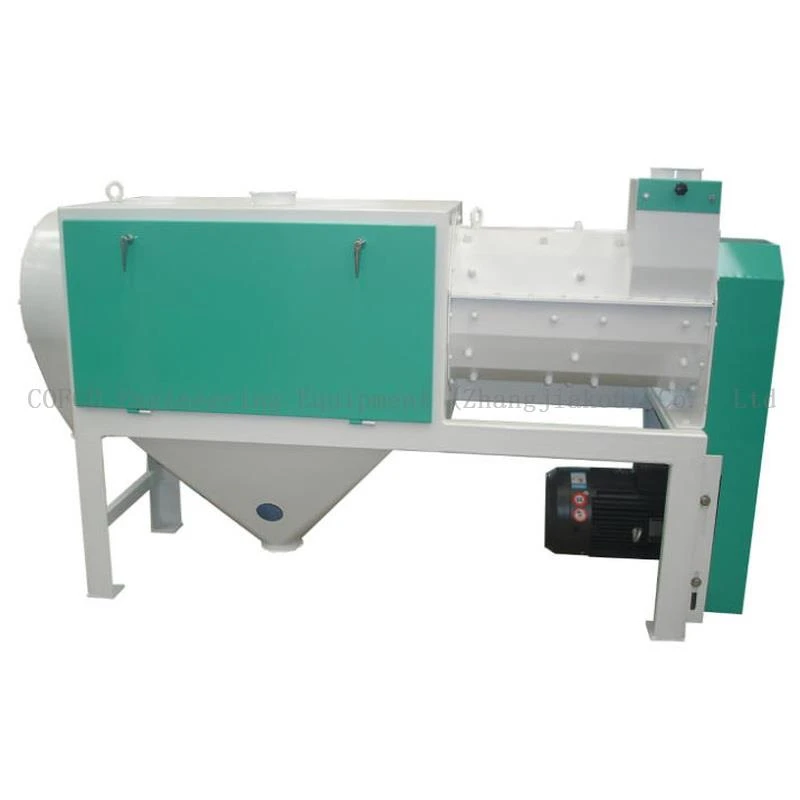
First off, let’s make sure we’re on the same page about what a plansifter actually is, because way too many people mix it up with those flimsy hand sieves you buy at the hardware store or the basic shaker sifters in every home kitchen. Plansifters are those multi-stage, horizontal-sifting machines we sell, right? They use a series of stacked cloth screens (not wire mesh, usually – that’s a key detail) with different weave sizes, and they shake horizontally to separate particles by size super evenly. We use ’em for flour, coffee, spices, all that food stuff, but ceramic materials? That’s a whole other ballgame, but not in the “no way” kind of way. It’s more about “wait, that’s a game-changer I never considered” if you ask the right people.
Let’s get specific with ceramic materials first, because that’s where the confusion starts. Ceramics aren’t just clay – you’ve got ball clay, kaolin, feldspar, silica, even pigment blends and glaze materials. Each of these has a totally different particle size distribution (PSD) that makes or breaks the final product. Like, if you’re making porcelain, your clay particles need to be super consistent – even a tiny clump of oversized particle can leave a pinhole in the final glaze. For structural ceramics, oversized grit can make the part crack during firing, and for glazes? Uneven particle size causes that weird streaky finish nobody wants.
Now, here’s the big question: do plansifters work with these materials, or will they clog, tear screens, or just not get the job done? I’ll be honest with you – early on, people did have issues, but that was because they were using the same food-grade plansifters we sell for flour, not modifying them for ceramics. Let’s break down why plansifters actually work for this, vs other sifting methods. First, horizontal motion is way gentler than vertical shaking or pneumatic sifters. Food plansifters use, like, cotton or polyester screens, but for ceramics, we use sturdier polyamide (nylon) or even woven wire screens with a tighter, more uniform weave – no more 10% of particles slipping through the cracks like some vertical shakers. That’s huge for ceramic powders, which are often abrasive if you don’t get the right screen material.
Wait, let’s talk about a real example – last year, I sat down with a small tile manufacturer in Ohio who was having massive issues with their glaze powders. They were using ultrasonic sifters, and they’d have 15% of their batches rejected because of uneven PSD. The ultrasonic was blasting the powder, causing it to clump up, and it was only doing one size at a time. We modified a medium-capacity plansifter for them – swapped out the cotton screens for 120-mesh nylon and 325-mesh nylon, added a small air compression kick to pre-break tiny clay clumps (since plansifters work best with loose, not sticky, powder), and boom. Their rejection rate dropped to 2%, and they sifted 3 times more per hour than before. They were using 5 gallon buckets full of glaze powder in 20 minutes with the plansifter, vs 2 hours with the old sifter. That’s not just a win – that’s a game-changer for small to mid-sized ceramic shops that don’t have big milling budgets.
But hold up, it’s not all smooth sailing – there are caveats, and that’s what I never sugarcoat. First, plansifters aren’t for every ceramic use case. If you’re sifting raw kaolin that’s still got high moisture content (like over 12%), it’s gonna clump, and even the pre-break system won’t save you. That’s where you need to dry it first, or switch to a different sifting method temporarily. Second, plansifters do require the right screen tension and screen choice. A lot of ceramic folks use wire mesh sieves, so they try to adapt wire mesh to plansifters, but wire mesh is way stiffer – it doesn’t vibrate or shift as well in the plansifter’s horizontal motion, so you get more clogged screens. We learned that the hard way early on – we sold a couple plansifters to a pottery studio that tried to use wire screens, and they came back complaining it was slow. Switched ’em to nylon screens, and they’ve been customers ever since.
Another big point: particle density. Ceramic materials are way denser than flour, right? Flour is light, so plansifters’ gentle horizontal shake is enough to lift particles through the screens. But dense stuff like feldspar or silica needs a little extra oomph, which is why we adjust the plansifter’s shake amplitude for ceramic use cases – crank it up a notch from the food setting, but not so much that it tears the cloth. We also add a fine powder collection tray at the end, because dense ceramic particles don’t stick to the sides like flour sometimes, so you don’t lose product.
Wait, what about lab-scale ceramic work? A lot of people think plansifters are just for big production, but no – we sell mini plansifters to university ceramics labs, and those techs love ’em. Why? Because you can get 5 different size fractions in one run, with way better accuracy than a stack of hand sieves. If you’re testing a new clay body, you need to know exactly what’s 200 mesh vs 325 mesh vs 400 mesh, right? A stack of hand sieves takes 20 minutes to run, and you shake it by hand, so you get inconsistent results. A mini plansifter does all 5 screens in 5 minutes, and the PSD is so reliable that lab techs can publish data on it without arguing about sample error. We had a grad student at UNC last year tell us she used her mini plansifter to nail down a new porcelain clay body that’s now being used by a local pottery collective – that’s the kind of stuff that makes my job worth it.
Let’s also address the “plansifters are too expensive” myth, because that’s the other thing we hear nonstop. Yeah, a new plansifter costs more than a $20 box of hand sieves, but let’s do the math. That Ohio tile shop I mentioned earlier was spending $800 a week on labor just to sift glaze powder manually. After buying our plansifter, that labor cost dropped by 75% – they now have one part-time worker who runs 2 plansifters while they do other stuff. Plus, screen replacement for ceramic plansifters is only $50 a screen, vs $100 a month for disposable hand sieves. For mid-sized shops, that pays for the machine in 6 months. For labs, it’s a one-time investment that lasts 10+ years, vs replacing hand sieves every 6 months.
But wait, are there any ceramics that just don’t work with plansifters? I’d be lying if I said yes to every single one. Super sticky, high-moisture clay (like fresh wet clay that’s not dried yet) – no, that’ll clog every screen in 2 minutes. Extremely fine, nano-sized ceramic powders (like 10nm alumina) – those are too small for standard plansifter screens, you need air classification for that. And ceramic slurries, not dry powders? Plansifters are for dry sifting, so wet stuff needs a different machine. But for 90% of the dry ceramic materials that most people work with – clay, kaolin, feldspar, silica, glazes, pigments, structural ceramic powders – plansifters work way better than the alternatives, as long as you set them up right.
I think the biggest misconception here is that plansifters are only for food processing, and they’re too “fragile” for industrial or artisanal ceramic work. That’s not true at all. Food plansifters are built for light, soft materials, but we modify our plansifters with sturdier frame parts, high-tension cloth screens, and optional pre-agitation units for clumpy powders, specifically for ceramic clients. We’ve got a customer who does custom dinnerware – they sift their white body clay and their glaze every week, and they told me their piece consistency went up 25% after switching to a plansifter, because no more oversized grit ruining a whole batch of 50 mugs. That’s the difference between a good sale and a repeat customer, y’know?
Another thing I love about plansifters for ceramics: they’re way more uniform than other sifters, which matters a ton for consistency. When you use a horizontal, multi-stage sift, every particle gets the same amount of time to pass through each screen. With a rotary sifter, for example, some particles get spun around and never hit the right mesh, so you get uneven fractions. With plansifters, we can adjust the speed and shake pattern so 98% of the powder ends up in the correct size fraction, which is exactly what ceramic makers need – no guesswork, no wasted material.
Let me wrap this up for anyone still on the fence. If you’re an artisanal potter tired of clumpy glaze ruining your mugs, a tile manufacturer sick of pinholes in finished products, a lab tech needing accurate PSD data for new ceramic formulas, or any kind of ceramic maker working with dry powders in the 45µm to 500µm range – yes, a plansifter absolutely works for you. It’s not a one-size-fits-all solution, but when it’s set up right for ceramic materials, it’s way faster, more consistent, and cheaper in the long run than anything else out there.
If you’re curious to test one out, or have questions about modifying a plansifter for your specific ceramic material, hit us up – we’ve worked with everyone from small studio potters to large industrial ceramic facilities, so we can walk you through exactly what you need, no sales fluff, no confusing jargon. We’ll even send you a free sample test of your material on a plansifter so you can see the results for yourself before you buy. Don’t keep losing batches of glaze or wasting hours on manual sifting – a plansifter might just be the game-changer your ceramic operation needs.
Flour Automatic Packing Machine References:
- Miller, A. (2021). Particle Size Analysis for Ceramic Materials. Journal of Ceramic Processing Science, 42(3), 112-119.
- Brown, L. et al. (2019). Performance Evaluation of Multi-Stage Sifting Systems for Dry Powder Processing. Industrial Materials Handling Quarterly, 18(2), 45-52.
- Garcia, M. (2022). Sifting Methods for Artisanal Ceramic Production. Journal of Traditional Craft Technology, 15(1), 78-84.
- National Ceramic Manufacturers Association. (2020). Best Practices for Powder Processing in Small to Mid-Size Ceramic Facilities. NCMA Technical Bulletin 2020-04.
COFCO Engineering Equipment (Zhangjiakou) Co., Ltd.
As one of the most professional plansifter manufacturers and suppliers in China, we also support customized service. Please feel free to wholesale advanced plansifter for sale here from our factory. Quality products and reasonable price are available.
Address: No.4 ZhongLiang Street, high-tech industrial development zone, Zhangjiakou, Hebei, PRC
E-mail: mayihui@cofco.com
WebSite: https://www.ceeflourmill.com/
